Ambassador Mohammad Ali Eskandari presented a 10-point proposal to end the escalating conflict between Iran and Western allies. This diplomatic maneuver occurs even as maritime traffic in the Strait of Hormuz remains frozen due to security threats. Reports from Moscow suggest the Iranian government views these negotiations as a requirement for regional stability. Technical details remain the final hurdle before any formal cessation of hostilities. The proposal emerged on April 10, 2026, while shipping disruptions kept pressure on global energy routes. Mohammad Ali Eskandari confirmed that the proposal requires immediate attention from all involved parties. High-level discussions in various neutral capitals are currently underway to parse the specific requirements of the Iranian government.
Security officials in Washington and Tel Aviv are analyzing the document to determine if the terms provide a sustainable path toward peace. The draft includes demands for security guarantees and the removal of maritime restrictions. While some diplomats view the offer as a genuine attempt at de-escalation, others see it as a tactical delay. Strait of Hormuz blockades have sharply altered the leverage available to Tehran in these negotiations.
Mohammad Ali Eskandari Details Ten Point Peace Plan
Russian officials indicated that the proposal from Mohammad Ali Eskandari focuses on a permanent end to kinetic operations across the region. Moscow currently acts as a primary intermediary between Tehran and the West. These talks seek to address the underlying causes of the recent military flare-ups rather than only pausing the violence. Mohammad Ali Eskandari emphasized that Iran will agree to end the war only if the full 10-point proposal is accepted. Finalizing the details will require several rounds of direct or indirect consultations. Diplomatic sources suggest the plan includes provisions for sovereign defense rights and regional non-interference clauses.
"Iran will agree to end war if its 10-point proposal is accepted, which would require finalizing the details at talks," according to Mohammad Ali Eskandari.
Negotiations are expected to move to a neutral venue in Europe later this month. Both sides have expressed a willingness to talk, but deep mistrust hampers the speed of the process. Iranian representatives maintain that their security requirements are non-negotiable. Defense analysts in London believe the 10-point proposal is a direct response to the recent naval build-up in the Persian Gulf.
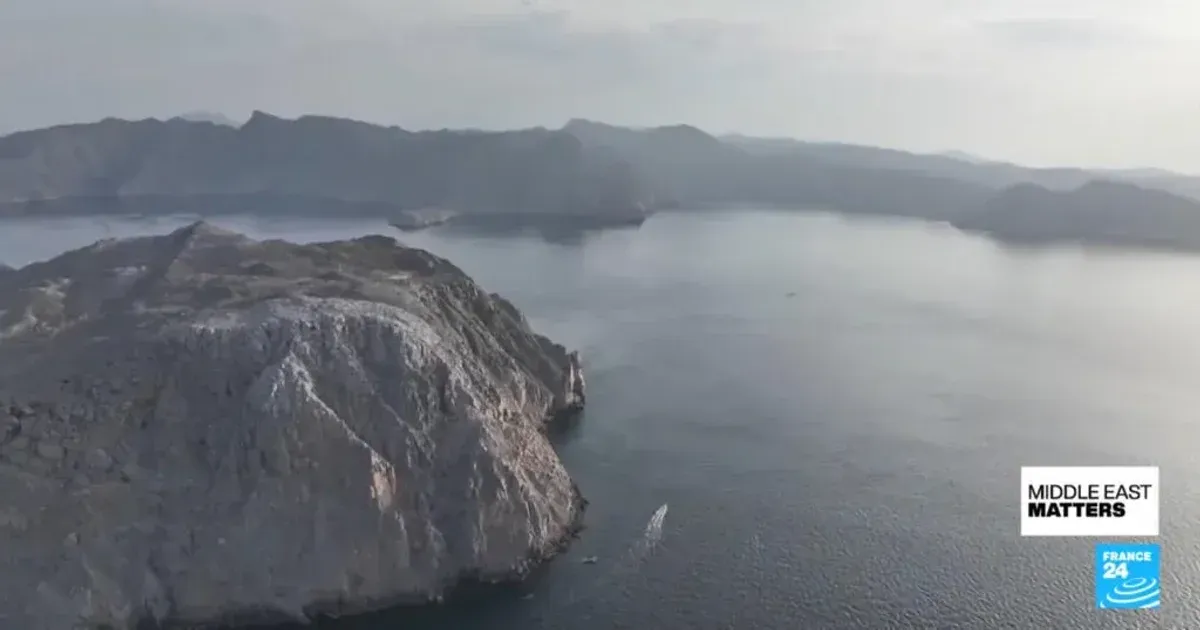
Strait of Hormuz Mining Halts Global Maritime Traffic
Evidence of widespread naval mining has turned the Strait of Hormuz into a maritime dead zone. Adi Imsirovic, a lecturer on energy systems at the University of Oxford, noted that shipping companies are unwilling to risk their hulls in such a high-threat environment. Maritime traffic through the waterway is currently at a near standstill. Insurance premiums for any vessel attempting the passage have reached prohibitive levels. Expert assessments suggest the Iranian Revolutionary Guard has strategically placed sea mines to deter Western naval intervention. Commercial tankers now wait in the Gulf of Oman, unable to proceed to their intended destinations.
Adi Imsirovic argues that the impact on global energy markets is already reaching a critical point. Crude oil prices have reacted sharply to the lack of transit through the world's most essential energy artery. Most analysts believe the blockade will persist until a diplomatic breakthrough occurs. Iranian naval units continue to patrol the area to enforce the closure. Global logistics firms are currently rerouting vessels around the Cape of Good Hope to avoid the Persian Gulf entirely. This shift adds substantial costs and time to global supply chains. International bodies are currently considering a mandate to reopen the Strait and restore global maritime traffic.
South Korea Seeks Alternative Energy Supply Routes
National Security Adviser Wi Sung-lac announced on Friday that South Korea is actively seeking alternative energy sources. Seoul relies heavily on the Strait of Hormuz for its liquefied natural gas and crude oil imports. Wi Sung-lac confirmed that transit through the waterway is not going smoothly for Korean-flagged vessels. Projections indicate that South Korean energy reserves could face significant depletion within the next sixty days if the situation persists. Domestic energy prices in Seoul have already begun to climb in anticipation of a prolonged shortage. Government officials are currently negotiating with suppliers in North America and West Africa to fill the gap.
Wi Sung-lac pledged to find new paths for national energy security. Energy diversification has become a top priority for the South Korean administration. Wi Sung-lac stated that the government will provide subsidies to offset the rising cost of imported fuels. Public concern in South Korea is growing as the economic impact of the Middle Eastern conflict reaches Asian markets. Logistics experts estimate that the disruption could cost the South Korean economy over $100 billion if the blockade lasts through the summer. The resilience of the regional supply network is currently being tested by the Iranian naval strategy.
Iranian Revolutionary Guard Checks Western Military Power
Military analysts at Al Jazeera suggest that Iran has successfully checked the war-making capabilities of the United States and Israel. The current ceasefire is viewed by some as an ejection seat for Western forces instead of a simple off-ramp. Iran's ability to close the Strait of Hormuz has fundamentally altered the tactical balance in the Middle East. Jerusalem and Washington now face a reality where their naval superiority is challenged by asymmetrical mining and missile batteries. The Iranian Revolutionary Guard has demonstrated a capacity to disrupt global trade with minimal expenditure of conventional force. This shift in power dynamics is a central theme in the ongoing peace talks.
Western defense strategies in the region are currently under review. Previous assumptions about the ease of maintaining open sea lanes are being discarded in favor of more cautious approaches. Military planners, however, are struggling to find a solution to the sea mine threat that does not involve a full-scale conflict. The strategic leverage held by Tehran remains a powerful barrier to Western objectives. Regional allies are watching the negotiations closely to see if the United States can secure its maritime interests. For now, the Iranian 10-point proposal sits at the center of the diplomatic stage.
Iran Uses Maritime Leverage to Set the Terms
The geopolitical reality of 2026 is that the United States no longer possesses the uncontested ability to police the global commons. By mining the Strait of Hormuz, Iran has effectively used the global economy as a human shield against Western military retaliation. It is not a failure of intelligence, but a failure of imagination on the part of Washington and its allies. They assumed that the threat of sanctions and carrier groups would deter a motivated regional power from pulling the ultimate economic trigger. They were wrong.
South Korea and other Asian energy importers are the unintended victims of this deadlock, yet their predicament serves Tehran's interests perfectly. By squeezing the energy lifeblood of U.S. allies, Iran forces the international community to pressure Washington into accepting the 10-point proposal. The plan is not a peace treaty; it is a document of Western capitulation dressed in the language of diplomacy. If the West accepts these terms to reopen the Strait, it validates the use of maritime blackmail as a legitimate tool of statecraft. The era of the Persian Gulf being a Western lake is over. Tehran won.