San Francisco kitchens are seeing a surge in bean-based innovation as the culinary world shifts away from highly processed meat substitutes toward whole-food ingredients. Professional chefs and home cooks alike are rediscovering the structural integrity of the humble legume, transforming it into the centerpiece of sophisticated, high-protein meals. This transition marks a departure from the era of lab-grown patties that attempted to mimic bleeding beef, focusing instead on the inherent textures of tofu, tempeh, and ancient grains. Modern nutritional science confirms that a well-constructed vegetarian plate can easily exceed the protein requirements of an average adult while providing fiber and micronutrients that animal products lack. Market data from 2026 shows a 40% increase in the consumption of pulses like lentils and chickpeas across urban centers in the United States and United Kingdom.
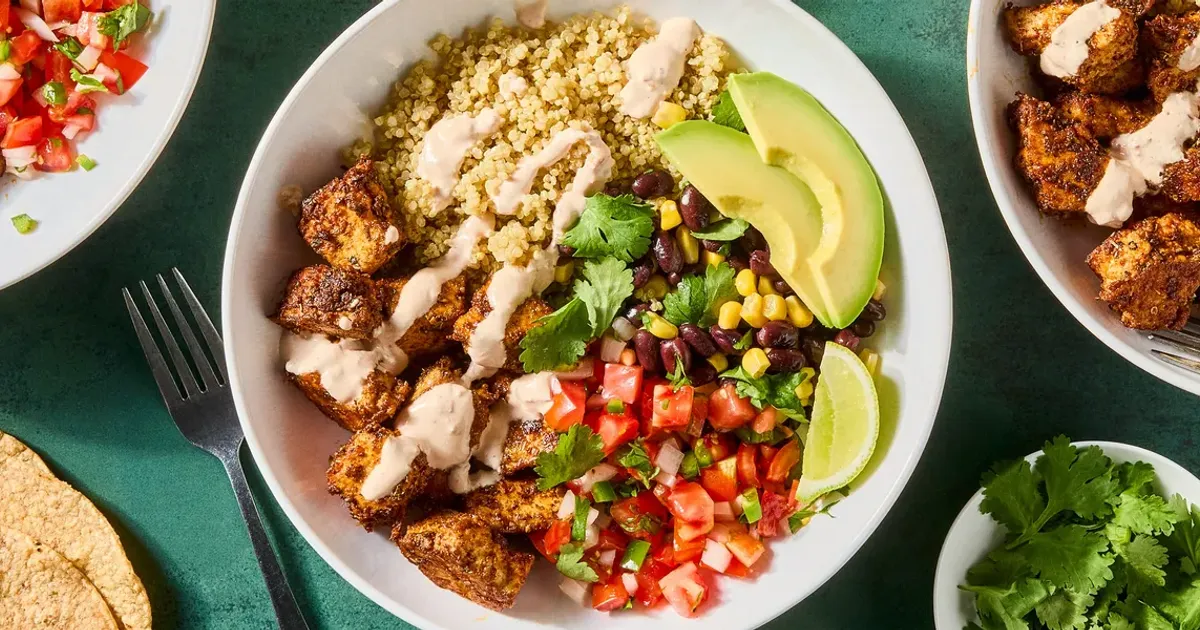
Mexican tofu taco bowls represent the pinnacle of this movement, utilizing firm soy curd that has been pressed and marinated to achieve a chewy, satisfying consistency. By crumbling the tofu and searing it in a cast-iron skillet with cumin, smoked paprika, and lime juice, cooks create a protein base that rivals ground pork in both texture and flavor profile. These bowls often incorporate black beans and quinoa, pushing the total protein count per serving above 25 grams. Black beans provide a dense source of lysine, an amino acid often limited in grain-heavy diets, while quinoa is rare plant-based complete protein. Such combinations ensure that the body receives all nine essential amino acids necessary for muscle repair and metabolic function. This method of layering different plant proteins has become the gold standard for athletes looking to reduce their environmental footprint without sacrificing performance.
Flavor profiles are evolving beyond the bland steamed vegetables of previous decades.
Lentils have moved from the periphery of the pantry to the heart of the Italian kitchen, specifically in the form of hearty bolognese. Traditional red lentils break down during the simmering process, creating a thick, meaty sauce that clings to whole-wheat pasta or zucchini noodles. French green lentils, known as Puy lentils, maintain their shape even after long periods of cooking, providing a peppery bite that mimics the mouthfeel of finely diced beef. These legumes contain approximately 18 grams of protein per cooked cup, making them one of the most efficient plant-based fuel sources available to modern consumers. Gastronomic critics suggest that the success of lentil-based dishes lies in their ability to absorb umami-rich liquids like vegetable stock, tomato paste, and fermented soy sauce. This evolution in cooking technique allows vegetarian meals to hit the same savory notes that diners typically associate with slow-cooked stews.
Soy remains the most versatile player in the high-protein vegetarian arsenal.
Tempeh, a fermented soy product originating from Indonesia, offers a nutty flavor and a firm, sliceable texture that holds up well to grilling or pan-frying. Unlike tofu, tempeh uses the whole soybean, which preserves more fiber and creates a more complex nutritional profile. Many high-protein meal plans now include tempeh "bacon" or smoky tempeh strips as a breakfast staple. Fermentation processes used in tempeh production also introduce probiotics that support gut health, a benefit that animal proteins do not provide. Nutritionists point to the high bioavailability of soy protein, which ranks alongside egg whites on many digestibility scales. It is no longer enough for a meal to be meat-free; it must be functional and satiating.
Seitan, often called wheat meat, provides an staggering 75 grams of protein per 100 grams, far exceeding the protein density of chicken breast. Derived from wheat gluten, seitan can be braised, fried, or steamed to take on various forms, from deli-style slices to thick, juicy steaks. While it is not suitable for those with gluten sensitivities, it has become a favorite among bodybuilders and strength trainers. Some restaurants are now featuring seitan "short ribs" glazed in balsamic reductions, proving that plant proteins can handle the aggressive seasoning and high-heat cooking methods once reserved for the butcher shop. The math of protein consumption is changing as more people realize that a single serving of seitan provides more than half the daily recommended intake for an active man.
Grains and seeds play a supporting role that is frequently underestimated in the protein conversation.
Hemp seeds and pumpkin seeds are often sprinkled over salads or blended into sauces to add a stealthy protein boost. Three tablespoons of hemp seeds contain nearly 10 grams of protein, roughly equivalent to two small egg whites. These seeds are also rich in omega-3 fatty acids, which are critical for heart health and inflammation reduction. Ancient grains such as teff and amaranth are making their way into breakfast porridges and side dishes, offering higher protein concentrations than traditional white rice or corn. A cup of cooked amaranth provides roughly 9 grams of protein, along with significant amounts of manganese and magnesium.
Dairy and eggs continue to provide a safety net for those who are vegetarian rather than strictly vegan.
Greek yogurt and cottage cheese have seen a resurgence in popularity due to their high casein and whey content, which provide a slow-release source of amino acids ideal for overnight muscle recovery. A single cup of low-fat cottage cheese can deliver 28 grams of protein, a figure that is difficult to ignore for those tracking their macros. Halloumi, a Cypriot cheese with a high melting point, is frequently used as a meat substitute in Mediterranean-style kebabs. Its salty, firm exterior provides a satisfying crunch that pairs well with roasted peppers and onions. These traditional dairy products remain staples because they require minimal preparation to become a high-protein meal.
One sentence summarizes the shift: consumers no longer view vegetarianism as a sacrifice of strength but as a optimization of health.
Technique is the final frontier in making meatless meals irresistible.
Umami layering involves using ingredients like nutritional yeast, miso paste, and dried mushrooms to create a depth of flavor that satisfies the primal craving for savory foods. When these ingredients are combined with high-protein bases like chickpeas or edamame, the resulting dish feels substantial. Roasted chickpea pasta, for instance, uses flour made entirely from legumes to double the protein content of a standard noodle dish. Even the most dedicated carnivores find it difficult to complain about a lack of substance when faced with a creamy, protein-packed chickpea curry or a dense black bean burger topped with avocado and sprouts.
Future food trends suggest that the distinction between "meat" and "vegetables" will continue to blur as culinary technology advances.
Sustainable sourcing and the rising cost of animal agriculture are driving even the most conservative food institutions to rethink their menus. High-protein vegetarian meals are no longer a niche category for health enthusiasts; they are becoming the baseline for a global population that demands more from its food. The 23 meals highlighted in recent culinary guides represent just the beginning of a larger movement toward nutrient-dense, plant-centric living. As more people experience the energy levels and physical benefits associated with these protein-packed alternatives, the demand for high-quality vegetarian options will only intensify.
High Protein Vegetarian Recipes Redefine Plant Based Dining Standards
Explore how high-protein vegetarian meals are redefining modern dining with whole-food ingredients like tofu, lentils, and seitan for optimal health.
◆
☼ AI-Generated Summary Key Points
- ◆ Whole-food plant proteins like lentils and chickpeas are replacing processed meat substitutes in modern kitchens.
- ◆ Seitan and soy products provide protein densities that often exceed those found in traditional animal meats.
- ◆ Combining different plant sources such as beans and grains ensures a complete amino acid profile for muscle repair.
- ◆ Culinary techniques like umami layering are essential for creating satisfying, savory vegetarian dishes without animal products.
Additional Sources
Give Feedback
How was this article?