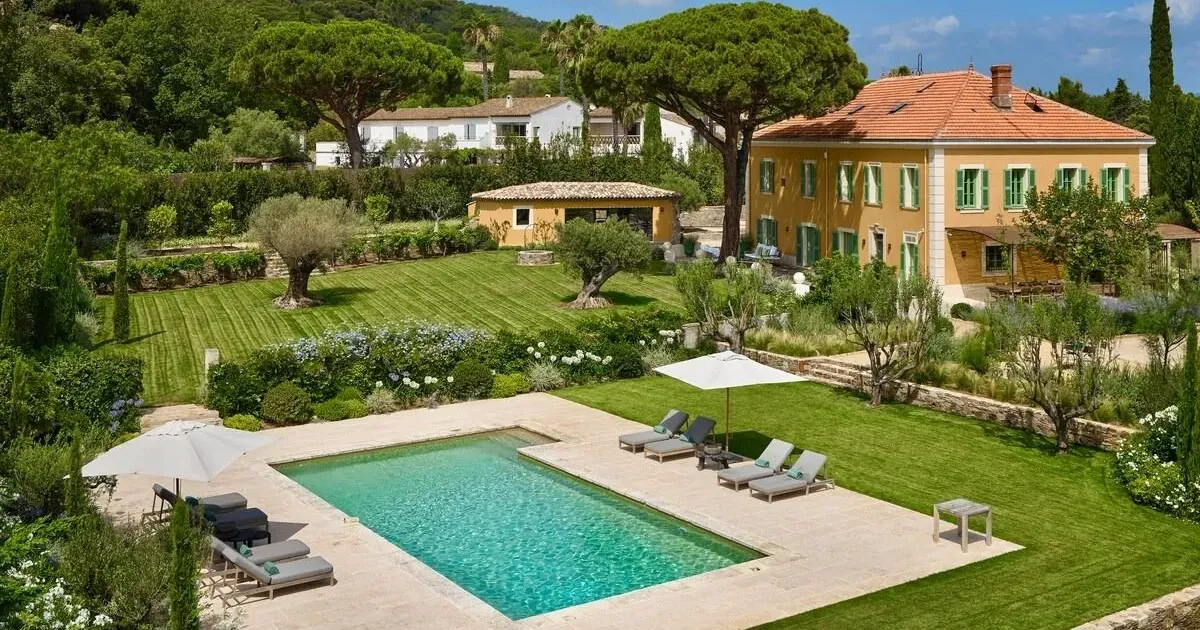
Historic estate rentals have become a sharper piece of luxury travel because wealthy guests are not only buying bedrooms. They are buying privacy, architecture, space for a group and the feeling that the trip belongs to a place rather than to a hotel brand. A restored Charleston home, a French villa or a country estate can make the building itself the itinerary.
The appeal is easy to understand. Luxury hotels can offer service, restaurants and reliability, but they rarely give a family or private group control over the whole setting. Estate rentals promise a different rhythm: meals on the group's schedule, quieter outdoor space, a private pool or garden, room for children and guests, and a house with enough character to make the stay feel less interchangeable.
The House Becomes the Destination
The strongest properties sell atmosphere without asking guests to give up comfort. That means old plaster with modern plumbing, period details with strong Wi-Fi, antique rooms with functioning climate control and a sense of history without the inconvenience that often comes with old buildings.
Historic homes differ from ordinary vacation rentals. A guest is not only comparing beds and bathrooms. They are comparing staircases, courtyards, porches, gardens, stone walls, neighborhood texture and the story attached to the address. For high-end travelers, the property story can carry as much value as a spa or concierge desk.
Charleston and France Sell Different Dreams
Charleston's appeal comes from walkable historic streets, coastal access, restored homes and a city image built around architecture and Southern hospitality. France often sells a more rural or village fantasy: chateaus, farmhouses, vineyards, stone terraces and long meals outdoors. The markets are different, but the mechanism is similar. Architecture becomes status.
The status also explains why the listings photograph so well. A group house in a historic district can look more personal than a suite tower. A villa in Provence can make the guest feel temporarily attached to a region. The best rentals turn the destination into something guests can inhabit, not just visit.
Heritage Is Expensive to Operate
The romance hides a difficult business. Older properties need specialized repairs, higher maintenance budgets, careful cleaning, insurance, fire planning, accessibility decisions and staff trained not to damage fragile interiors. A house that looks effortless online may depend on constant work behind the scenes.
Owners also face local rules. Historic districts often involve preservation requirements, permitting limits and neighborhood concerns. Short-term rental rules can be especially strict in cities where housing supply and resident quality of life are already under pressure. Legal use matters because a beautiful property can still be a bad rental if it operates outside local limits.
The Community Tradeoff Is Real
High-spending visitors can support restaurants, guides, cleaners, maintenance workers and preservation budgets. Local spending is the positive case. The negative case appears when too many homes become private vacation products and too few remain part of a living neighborhood.
Charleston shows why the balance is delicate. The same architectural character that attracts visitors is also what residents are trying to protect. If full-time homes become rotating group stays, streets can lose the ordinary daily life that made them desirable in the first place. In rural European markets, the pressure can look different but still affect staffing, local prices and seasonal hollowing-out.
Luxury Needs Limits to Protect Its Own Appeal
The market works because historic estate rentals work because they turn place into privacy. They can fund upkeep and give travelers a deeper stay than a standard hotel. They can also convert heritage into a nightly commodity if cities, owners and platforms treat charm as an unlimited resource.
The best version of the market will be selective: legal properties, serious maintenance, clear occupancy rules, professional management and respect for neighbors. Without that restraint, the product begins to damage the thing it sells. Heritage can be rented, but it cannot be endlessly extracted without changing what guests came to find.