Culinary Shifts in the American Kitchen
Kitchens across the United States have undergone a quiet transformation in early 2026. Data from grocery retail monitors and digital recipe platforms indicate a significant pivot toward plant-based proteins and streamlined preparation methods. March 13 often marks a seasonal transition where heavy winter stews give way to brighter, yet still hearty, transitional meals. The current obsession with bean chili, often labeled as chile sin carne, highlights a broader economic and health-conscious movement among urban and suburban populations alike.
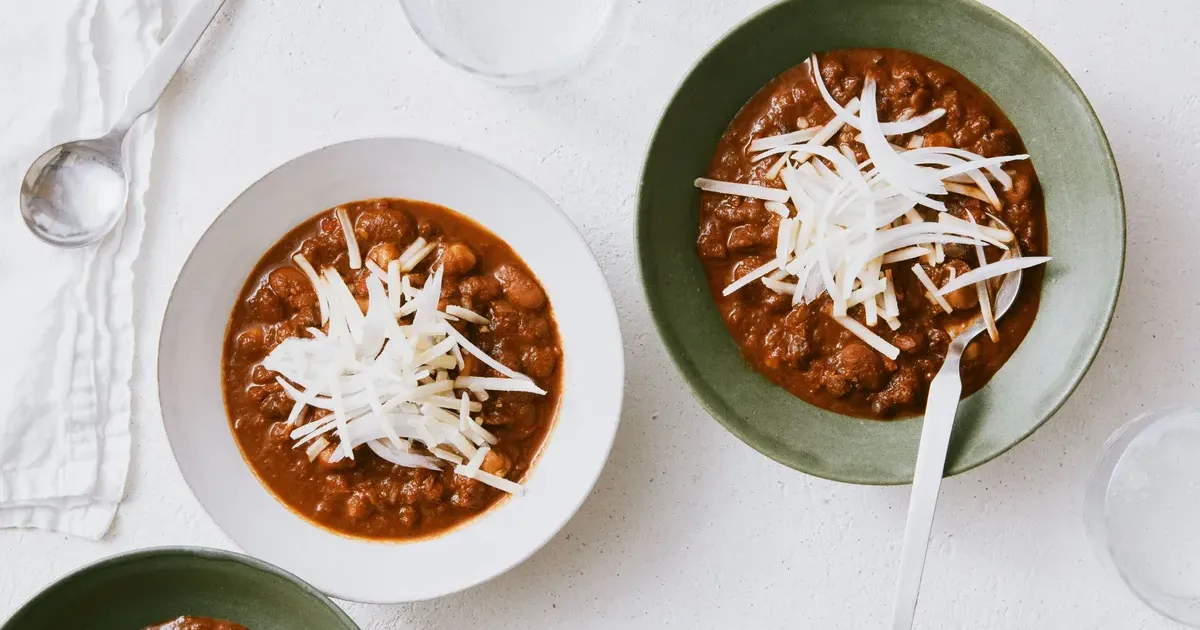
Legumes have emerged as the cornerstone of the mid-2020s pantry. While beef prices have fluctuated wildly due to supply chain inconsistencies in the Midwest, the humble bean has remained a stable, nutrient-dense alternative. Home cooks are no longer viewing meatless chili as a compromise but as a deliberate culinary choice. The depth of flavor in a modern bean chili relies on the Maillard reaction achieved by roasting spices and aromatics before the liquid components ever hit the pot. Cumin, smoked paprika, and various dried chilies provide a complex profile that mimics the richness usually associated with animal fats.
Meatless alternatives have moved from the periphery to the center of the plate.
Efficiency remains the primary driver for the modern home chef. The rise of the one-pan salmon dinner illustrates a collective desire to minimize cleanup without sacrificing nutritional density. Analysts at several major grocery chains have noted a 14% increase in salmon sales during the first quarter of 2026 compared to the previous year. This preference reflects a growing awareness of omega-3 fatty acids and the ease of convection-based roasting. By placing asparagus, fingerling potatoes, and a salmon fillet on a single sheet of parchment paper, cooks can execute a high-end meal in under twenty minutes.
The Logistics of One Pan Preparation
Thermal dynamics play a important role in the success of these single-vessel meals. A common mistake in previous years involved overcrowding the pan, which leads to steaming rather than roasting. Experts now suggest a strategic layout where denser vegetables are placed at the perimeter where heat concentration is highest. Salmon, which requires a lower internal temperature than root vegetables, often joins the pan halfway through the process. This method ensures that the fish remains moist while the vegetables achieve a crisp, caramelized exterior. It is a logistical puzzle solved on a rectangular piece of aluminum.
2026 has also seen a resurgence in classic comfort baking, specifically the chocolate peanut butter cookie. Unlike the intricate pastry trends that dominated the early 2020s, the current mood favors reliability and textural contrast. Peanut butter acts as both a flavor agent and a structural stabilizer in these recipes. The high fat content prevents the formation of long gluten strands, resulting in a tender, melt-in-the-mouth crumb that provides a necessary counterpoint to the bitterness of dark chocolate chips.
Sugar remains a contentious ingredient, but its role in these recipes is functional. Beyond sweetness, sugar aids in the browning process and helps the cookie spread to the desired thickness. Many home bakers in the UK and US have begun experimenting with fleur de sel or Maldon sea salt as a finishing touch. The salt does not just enhance the chocolate; it creates a chemical reaction that heightens the perception of sweetness while cutting through the richness of the peanut fats.
Economic Impacts on Home Menus
Retailers have responded to these trends by bundling ingredients for bean-based stews and sheet-pan dinners. A standard grocery basket on March 13, 2026, looks remarkably different than it did five years ago. Canned black beans, kidney beans, and chickpeas are often positioned next to high-end olive oils and artisanal spices. This combination is bridge between budget-conscious living and the desire for a premium dining experience at home. The math of the modern kitchen is simple: spend less on the bulk protein to afford better seasonings and fresh produce.
One-pan cooking also reduces water and energy consumption, a factor that is becoming increasingly important to the younger demographic of homeowners. Washing a single pan uses roughly 70% less water than cleaning a full set of pots and serving dishes. These small efficiencies accumulate over a week of meal preparation, aligning with broader environmental goals without the need for drastic lifestyle changes. The kitchen is becoming a laboratory for practical conservation.
Culinary critics have pointed out that the simplicity of these recipes does not equate to a lack of sophistication. A well-executed chile sin carne requires a deep understanding of spice layering and acidity management. A splash of apple cider vinegar or a squeeze of fresh lime at the end of the cooking process can brighten the entire dish, transforming a flat bean stew into a vibrant meal. These subtle touches are what distinguish the experienced home cook from the novice.
The Elite Tribune Perspective
Asking why a society chooses a specific legume over a cut of beef reveals more about the national psyche than any political poll. We are currently witnessing a generation of cooks who have effectively surrendered the art of the multi-course meal in favor of the 'efficient' sheet pan. Such a move is not progress; it is a calculated retreat born of exhaustion and shrinking leisure time. The one-pan salmon is the culinary equivalent of the open-plan office, a sacrifice of quality and boundary for the sake of supposed productivity. While the food media celebrates these 'hacks,' they ignore the reality that we are losing the meditative ritual of complex cooking. A bean chili made in twenty minutes might satisfy the hunger of a tired worker, but it does nothing to nourish the cultural soul. We have traded the stovetop for the assembly line, and the resulting uniformity is as bland as the parchment paper we use to avoid scrubbing a pan. If the highlight of the week is a cookie that uses peanut butter as a crutch for poor technique, we must ask ourselves what else we are willing to simplify into oblivion. True excellence requires the friction of effort, not the convenience of a single tray.