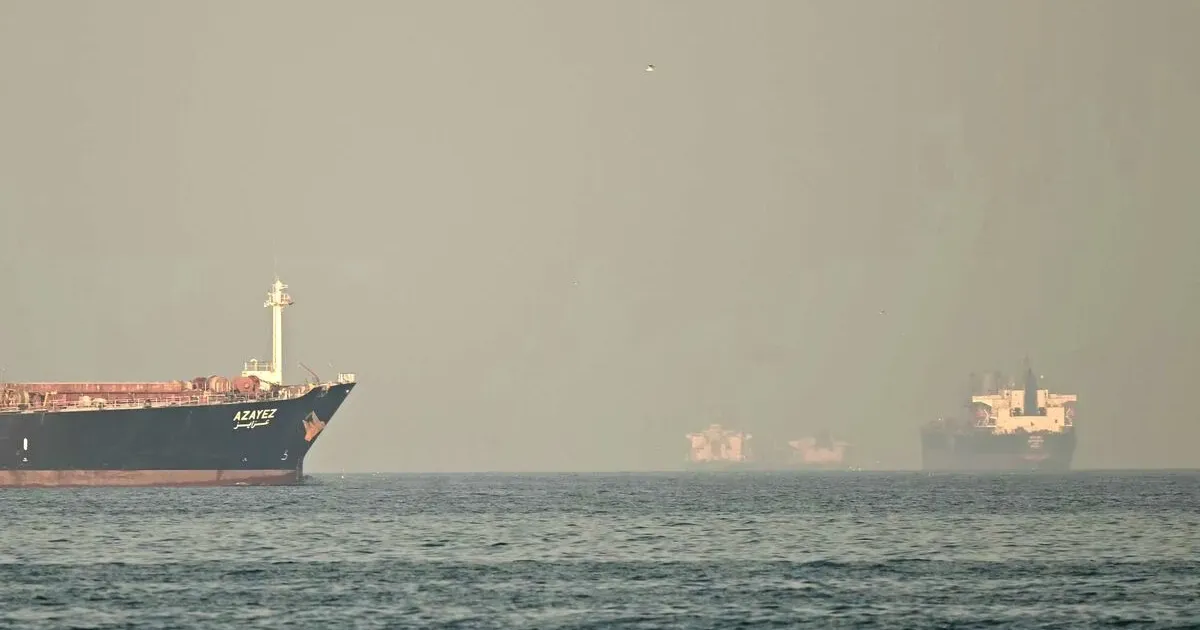
The Strait of Hormuz remains the point where a military crisis becomes an energy-security problem. Iran does not need to hold the waterway fully closed for markets to react. It only needs to make passage look uncertain enough for tankers, insurers, navies and buyers to change behavior.
The strait is therefore still the market's main watchpoint during renewed U.S.-Iran tension. Oil prices respond to the possibility of disruption, but the deeper issue is confidence. A route can be technically open and still become more expensive, slower and riskier to use.
The Strait Is A Narrow Economic Lever
Hormuz links the Persian Gulf to the Gulf of Oman and the wider seaborne energy market. AP has noted that about a fifth of the world's oil usually moves through the strait. Qatar-linked liquefied natural gas flows also give the route significance beyond crude alone.
That concentration gives the waterway unusual power. A disruption in a normal port can be rerouted with cost and delay. A disruption around Hormuz immediately raises questions about Gulf exports, tanker queues, naval escort capacity, war-risk insurance and whether buyers can rely on delivery windows.
Confidence Breaks Before Traffic Stops
The market does not need proof of a full blockade to reprice oil. It watches softer signals first: ship-tracking gaps, vessels slowing or waiting, insurers changing terms, ports reporting delays, naval forces repositioning and energy buyers seeking alternate cargoes.
Official claims from either side are not enough. Washington can say passage is secure. Tehran can threaten pressure or deny responsibility for a given incident. Traders then look at what ships actually do. In a chokepoint crisis, behavior carries more weight than rhetoric.
Iran's Leverage Is Asymmetric
Western strikes can damage fixed infrastructure and visible military assets. They cannot instantly remove every form of maritime leverage. Mobile launchers, drones, mines, small boats, coastal missiles and allied groups can all create uncertainty without winning a conventional naval contest.
That is the strategic problem for the U.S. and Gulf partners. Escorting traffic can reduce risk, but it requires persistent force and clear rules of engagement. Deterrence has to work every day, across many ships and many possible attack methods. A single incident can undo several quiet days.
Insurance Turns Fear Into Price
War-risk insurance is one of the fastest ways fear becomes a cost. If insurers raise premiums or restrict coverage, tanker economics change even when cargo keeps moving. Owners may demand higher freight rates, charterers may delay shipments, and buyers may build extra cost into supply contracts.
Those costs travel into benchmarks. A barrel that passes through Hormuz can start carrying a political surcharge long before there is an official supply shortage. That surcharge then reaches refineries, airlines, shipping companies, petrochemical producers and consumers.
Strategic Reserves Buy Time, Not Geography
Governments can soften an oil spike with strategic reserves, diplomacy, pressure on producers or temporary fuel-tax relief. Those tools can buy time, but they do not erase the route. A reserve release can calm a panic. It cannot replace a durable maritime system if tanker confidence keeps weakening.
Alternative supplies also have limits. More U.S., Saudi or other output can help only if it reaches buyers through reliable routes and contracts. The world has diversified since earlier oil shocks, but it has not made Hormuz irrelevant.
Inflation Risk Spreads Unevenly
Higher crude prices feed into gasoline, diesel, jet fuel, fertilizer, petrochemicals and freight. Import-dependent economies feel the pressure fastest. Lower-income households feel it through fuel, food and transport costs. Airlines and logistics companies face a margin problem before consumers see every price change.
Central banks then face an awkward choice. If energy costs rise because shipping confidence breaks, higher interest rates cannot reopen a strait or escort tankers. But officials still have to watch whether the shock leaks into wages, expectations and broader inflation.
Doubt Alone Can Move The Market
Hormuz is a market nerve because it is both narrow and politically exposed. If traffic remains steady, the oil premium can fade. If traffic becomes hesitant, the effect spreads quickly from tanker routes to inflation forecasts and corporate earnings.
The world does not need a full blockade to feel the strait. It only needs enough doubt that every cargo through it becomes a little harder to price. Shipping confidence now carries as much weight as the posted oil price.