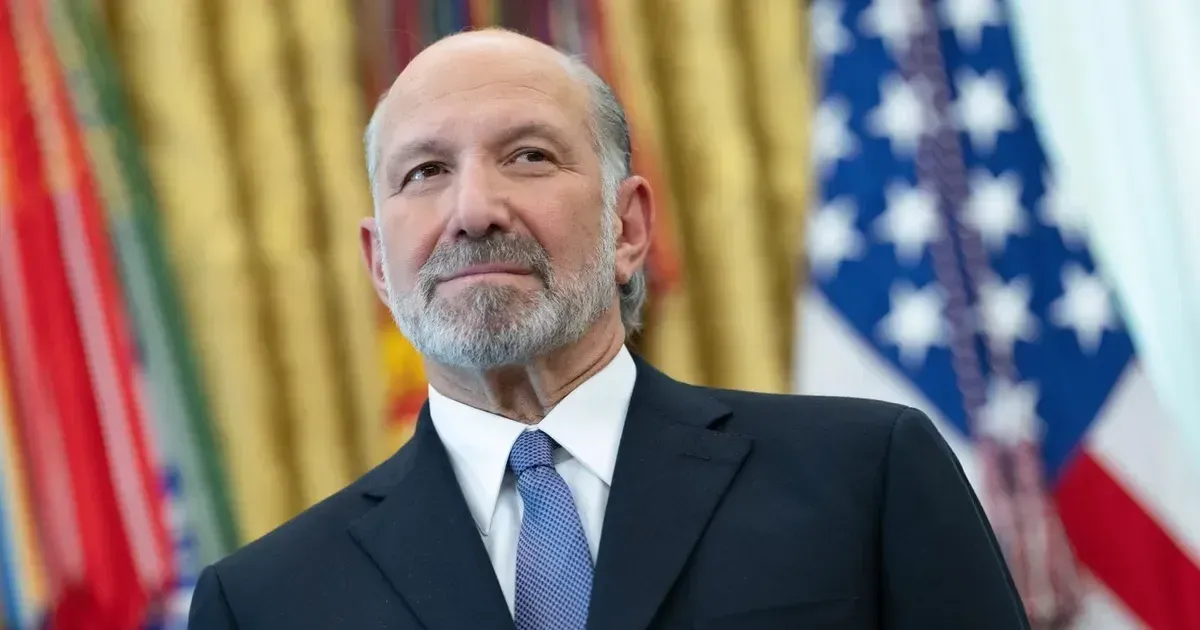
Commerce Secretary Howard Lutnick is entering a congressional oversight process tied to newly reviewed Epstein records. The House Oversight Committee scheduled a transcribed interview to examine the nature and extent of past contacts described in federal files. Lutnick agreed on April 7, 2026, to participate voluntarily, according to committee accounts and media reports. He has denied wrongdoing, and the interview format gives investigators a way to test the record before deciding whether public hearings are necessary.
Federal Documentation Triggers Congressional Inquiry
Public scrutiny rose once the Justice Department released thousands of pages of documents related to the Epstein investigation in late 2024 and throughout 2025. These files included private flight manifests, phone logs, and calendars that had remained under seal for years. Witnesses cited in the reports claim that the social architecture of the New York financial elite allowed for frequent overlaps between established banking figures and the disgraced financier.
Previously, Lutnick maintained that any contact with Epstein was incidental and typical of the Manhattan social scene during that period. Records from the Southern District of New York, however, prompted committee members to seek clarification on the nature of these interactions. Investigators specifically want to determine whether any financial partnerships or advisory roles existed between the two men during the height of Epstein's operation. The committee staff spent several months cross-referencing these logs with Lutnick's public disclosures.
"I look forward to appearing before the committee. I have done nothing wrong and I want to set the record straight," Lutnick told Axios' Mike Allen last month.
Transcribed Interview Logistics and Public Transparency
Logistically, a transcribed interview differs from a public hearing because it allows for a more detailed, technical line of questioning by both majority and minority staff lawyers. This format often precedes a public hearing if the committee identifies discrepancies in the testimony. Lawmakers from both parties intend to participate in the May 6 session to ensure a comprehensive review of the documents. The session will take place in a secure room within the Rayburn House Office Building. The administration is currently weighing the future of Howard Lutnick as his tenure faces intense scrutiny.
Instead of keeping the findings private, the committee intends to release a full transcript of the interview to the public. Comer stated that transparency is a priority for the panel given the high level of public interest in the Epstein case. This move ensures that the American public can review the evidence and the secretary's responses simultaneously. Experts in congressional procedure suggest that a public transcript release is a tactic used to provide a definitive record before any further legislative action is taken.
Politically, the move to testify voluntarily allows Lutnick to maintain a degree of control over the narrative. Proactive engagement with the committee often reduces the political damage that comes with a forced subpoena. Administration officials have noted that the secretary continues to perform his duties at the Department of Commerce while his legal team prepares for the May appearance. The focus of the department stays on international trade and domestic economic policy.
Lawmakers on the House Oversight Committee want to understand if these financial or social connections influenced the vetting process during the Secretary's initial appointment. Some members of the committee questioned why the details in the Justice Department files did not surface during the Senate confirmation hearings. The committee plans to review the background check materials provided by the FBI and other agencies to identify any potential gaps in the oversight process.
Republican Representative James Comer praised the secretary's transparency while preparing a list of inquiries for the May session. Comer emphasized that the committee is performing its constitutional duty to oversee executive branch officials. He also noted that the voluntary nature of the interview shows a commitment to the rule of law. Staffers are currently organizing the logistics for the multi-hour questioning session.
Documentation within the files suggests that the social network surrounding Epstein was vast and included numerous figures from the highest levels of American finance. The inquiry into Lutnick is one part of a broader effort by the House to understand how Epstein maintained his influence for decades. The committee has not ruled out calling other high-ranking officials if the testimony on May 6 identifies new leads or names. The primary goal is to establish a clear timeline of interactions. The transcript will be made public shortly after the May 6 interview concludes.
Oversight Now Turns on the Transcript
Voters often mistake voluntary cooperation for innocence in the high-stakes theater of congressional investigations, but the reality is more complex. Secretary Lutnick is executing a calculated retreat to a more defensible position. By agreeing to a transcribed interview, he avoids the media circus of a televised hearing while satisfying the procedural hunger of the House Oversight Committee. The strategy is not about clearing his name in the court of public opinion; it is about neutralizing a political liability before the 2026 election cycle hits full speed.
Questions regarding the vetting process for the Commerce Secretary are inevitable and necessary. If the Justice Department held these files for years, their sudden relevance suggests a failure of coordination between the executive and legislative branches. James Comer is walking a delicate tightrope between performing legitimate oversight and protecting a key administration ally. The investigation is a test of whether the Republican-led committee can maintain its credibility when the spotlight turns toward its own party's leadership.
The transcript will matter because it can turn scattered references into a chronological record. If the answers align with prior disclosures, the political pressure may narrow. If they do not, the issue becomes less about proximity to Epstein and more about whether the confirmation and vetting process missed material information.