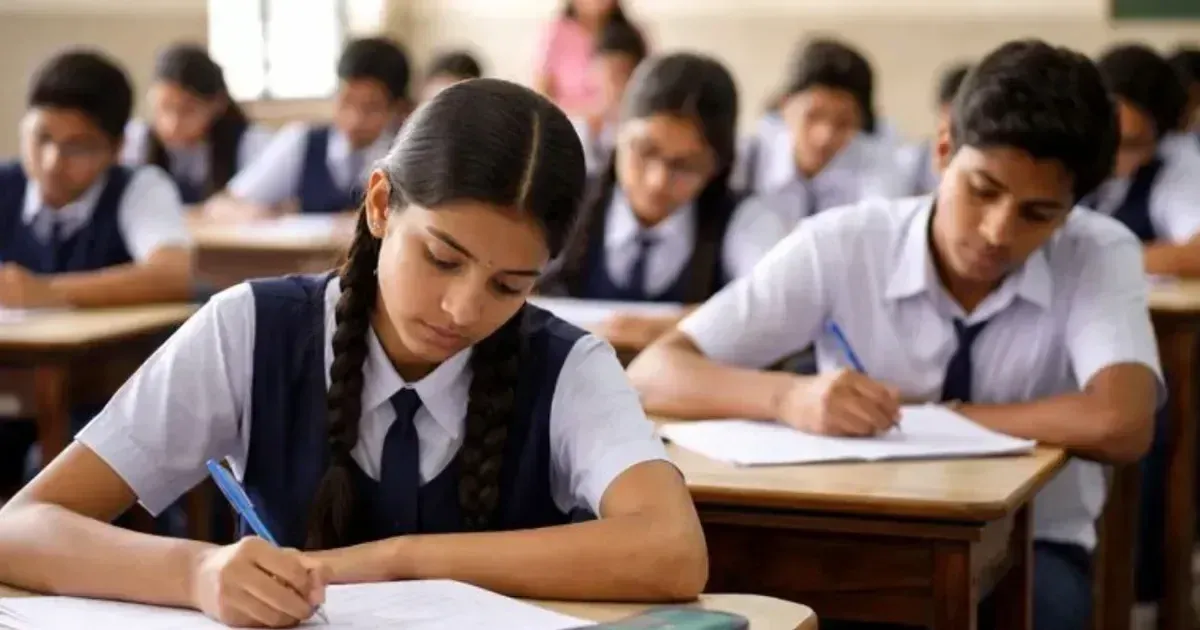
National Testing Agency officials nullified the national medical entrance examination because evidence of a coordinated paper leak emerged from multiple testing jurisdictions. The decision leaves millions of candidates facing a second round of uncertainty after preparing for one of India's most competitive tests. The cancellation immediately turned an education scandal into a national credibility test. Official records released on May 12, 2026, show that approximately 2.3 million students must now retake the high-stakes evaluation previously held earlier this month. National Testing Agency (NTA) leaders confirmed the decision to cancel the NEET UG 2026 after investigators verified claims of widespread irregularities that compromised the integrity of the testing process.
Students totaling 22.79 lakh candidates across India and several international centers are directly affected by the sudden voiding of the May 3 results. Education ministry officials ordered a federal investigation to identify the source of the breach and assess how security protocols were bypassed. Scrapping the exam was necessary to maintain transparency and ensure fairness for all applicants seeking admission to medical colleges. Revised dates for the nationwide re-test will be announced once the agency finalizes a secure logistical framework for the second attempt.
Rajasthan Police Uncover Coordinated Leak Network
Rajasthan Police investigators tracked a sophisticated distribution network that allegedly spread sensitive exam content before the official start time. Intelligence gathered by the Special Operations Group suggests a 410-question "guess paper" circulated among select groups of students in exchange for illegal payments. Analysis of the document revealed that approximately 120 questions from this leaked paper appeared verbatim in the Chemistry section of the actual NEET UG 2026 exam.
Specific evidence indicates the leak originated in Rajasthan before spreading through digital communication platforms to other regions. Special Operations Group officers arrested several suspects connected to the distribution chain and seized electronic devices containing digital fragments of the leaked material. These 120 questions provided an overwhelming advantage to candidates who accessed the illicit document, effectively rendering the original scores statistically invalid.
Evidence of the breach forced the Ministry of Education to transition the case to federal authorities for a more expansive review. Investigators are currently probing whether the leak occurred during the printing phase or during the physical transit of question papers to individual centers.
The Ministry of Education said the National Testing Agency cancelled the NEET UG 2026 exam held on May 3 because verified irregularities made a retest necessary for transparency and fairness. That statement formalized what students had already feared: the original score sheet could no longer serve as a credible admissions basis.
Failure of High-Tech Security Protocols
Security protocols intended to protect the 2026 examination included advanced measures like GPS tracking of paper shipments and real-time CCTV monitoring at every center. These technological safeguards failed to prevent the unauthorized disclosure of the Chemistry paper content. National Testing Agency records indicate that the GPS systems were operational, yet the breach occurred outside the view of established surveillance cameras. Institutional failures in the chain of custody are now a primary focus for the Central Bureau of Investigation (CBI) following the official hand-over of the case.
Logistical challenges for the upcoming re-test include the re-issuance of admit cards and the selection of new, more secure venues. Monitoring teams must now re-evaluate every testing site to determine how the previous breach bypassed existing security staff and digital barriers. Federal government representatives stated that the CBI probe will examine the role of private service providers who assisted in the delivery and storage of the sensitive materials. That review will also test whether outsourced logistics created weak points that internal NTA controls failed to detect.
Candidates are advised to monitor official agency channels for updates regarding the new examination schedule. Fresh admit cards will be mandatory for entry into the re-test centers, and the agency will not charge additional fees for the second attempt. Bureaucratic efforts are currently focused on ensuring the new dates do not conflict with other national entrance exams or the start of the academic year.
The Paper Leak Puts India’s Testing System Under Federal Scrutiny
How can a system tasked with evaluating 2.3 million students restore its credibility after a catastrophic security failure? The decision to involve the Central Bureau of Investigation shifts this crisis from a simple administrative error to a serious federal criminal inquiry. It places the National Testing Agency under a microscopic lens that may reveal systemic vulnerabilities in how standardized testing is managed in the world's most populous nation. Public trust in the meritocracy of medical admissions hinges on the speed and transparency of the CBI findings.
Accountability must extend beyond the low-level distributors of the guess paper to the institutional actors who allowed the breach to happen. If the Rajasthan Police findings regarding the 120 Chemistry questions are validated, it exposes a fatal flaw in the NTA question-bank security. The agency must now demonstrate that it can execute a flawless re-test under intense public and judicial scrutiny. Anything less than a total overhaul of the paper distribution chain will likely lead to further legal challenges and ongoing skepticism from the student population.
Failure to secure the second attempt would have consequences that reach far beyond a single admission cycle. Policymakers face the difficult task of balancing the need for speed with the absolute requirement for impenetrable security. Parents, coaching centers and state officials will now watch every procedural update for signs that the second exam is genuinely insulated from the same leak network.