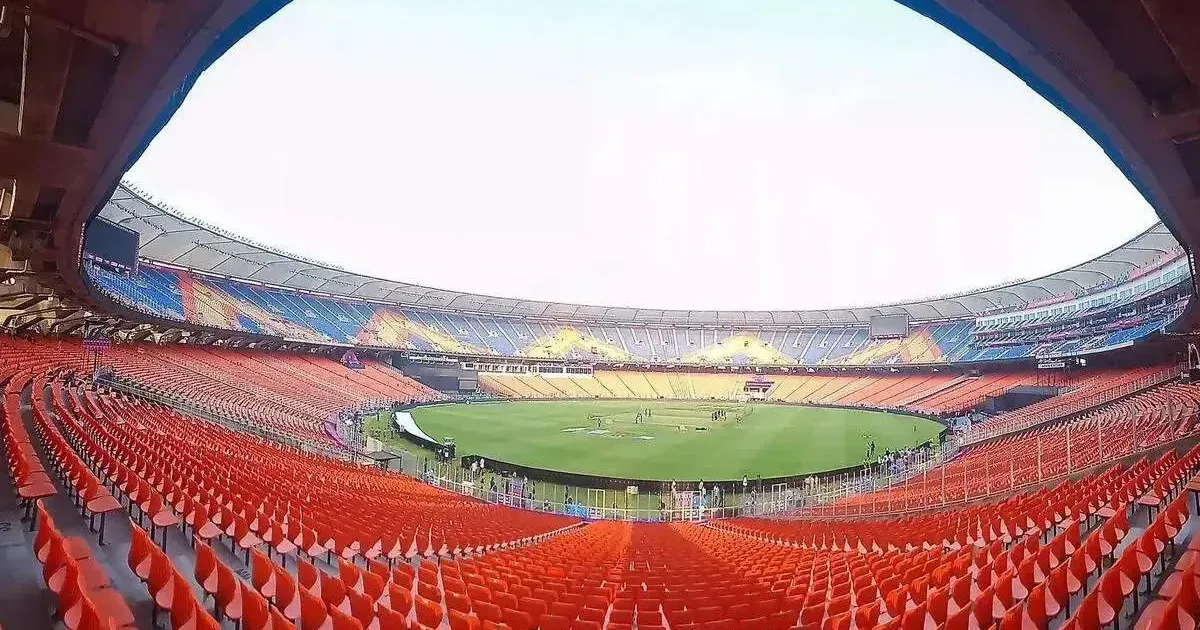
The IPL playoff-site decision is now a logistics race as much as a cricket question. Teams need venue clarity before travel, training and broadcast schedules can settle. BCCI officials entered a critical phase of the 2026 Indian Premier League as the league stage approached its conclusion. Secretary Saikia confirmed on May 2, 2026, that the governing body will finalize the host venues for the high-stakes playoff round within the next 48 hours. Decisions regarding Qualifier 1, the Eliminator, Qualifier 2, and the Final will determine the logistical map for the season finale. Tournament organizers face increasing pressure to balance infrastructure readiness with the shifting competitive landscape of the points table.
Chennai Super Kings met Mumbai Indians in a contest that directly influenced the playoff trajectory. Mumbai Indians struggled early after losing a wicket but eventually stabilized their innings to mount a recovery. A debutant for the Chennai squad secured his first career IPL wicket during the opening powerplay. Early success forced Mumbai to pivot their batting strategy under heavy pressure.
Suryakumar Yadav, one of the top hitters for Mumbai, failed to convert his start into a substantial score. Analysts noted his performance lacked the late-inning aggression required to capitalize on the recovery. While the Mumbai middle order attempted to salvage the run rate, the loss of Yadav limited their projected total. Chennai bowlers maintained a disciplined line to exploit the lack of batting momentum.
Selecting the venues involves coordinating with state cricket associations and security agencies.
Saikia noted that the four-match playoff schedule requires specific environmental and logistical standards. These stadiums must accommodate the sudden influx of international media and corporate sponsors. Qualifier 1 and the Eliminator traditionally occur in different cities to maximize regional engagement before the tournament converges on a single site for the Final. Stadium capacity and pitch conditions are primary factors in the selection matrix. The BCCI maintains strict requirements for floodlight stability and drainage systems to prevent weather-related disruptions.
Playoff Logistics and Infrastructure Readiness
Hosting rights for the playoffs represent a major financial windfall for state cricket associations. Revenue from gate receipts, local concessions, and tourism increases sharply during the final week of the tournament. Saikia emphasized that BCCI inspectors have already visited multiple candidate cities to verify that security protocols meet international standards. Each venue must demonstrate the ability to manage crowds exceeding 50,000 spectators while maintaining dedicated zones for broadcast crews and team officials.
National broadcasters have requested early confirmation of these locations to finalize satellite uplink positions. Transportation networks in the selected cities will need to handle a surge in domestic air travel as fans follow their respective teams. Qualifier 1 and the Eliminator provide the initial hurdle for the top four teams in the standings. These specific fixtures often see the highest viewership numbers because of the high-stakes involved for the competing franchises. The recent high-stakes match where Chennai Super Kings met Mumbai Indians underscored the pressure on playoff venue selections.
A total of four matches take place in the IPL playoffs, including Qualifier 1, the Eliminator, Qualifier 2, and the final, according to BCCI Secretary Saikia.
Mumbai Indians entered the May 2 fixture knowing that a loss would likely end their championship aspirations. Rivalry between Chennai and Mumbai is the most lucrative television product in league history. Analysts pointed to the Chennai debutant as a sign of the roster depth. While Mumbai recovered from their initial setback, the lack of production from veteran leaders like Suryakumar Yadav remains a concern for team management.
Competitive Pressures and Selection Criteria
Institutional guidelines dictate that the league table determines the seeding, but the physical location of matches can provide a tactical advantage. Teams with strong spin attacks often prefer venues with slower, turning pitches common in southern India. By contrast, fast-bowling units benefit from the harder, bouncier tracks found in northern and western stadiums. Saikia’s committee must weigh these sporting factors against the commercial necessity of using high-capacity arenas like those in Ahmedabad or Kolkata.
Mumbai’s current recovery in the live standings places them in an unstable position regarding the Eliminator. If they fail to secure a top-two finish, their path to the final becomes much more difficult. Neither team has yet secured a definitive playoff berth, making the results of these final league games essential for the BCCI scheduling team. Every victory shifts the projected matchups, forcing stadium managers to stay on high alert for sudden scheduling changes.
Recent data suggests that home-ground advantage has been less predictable in the 2026 season. Under current rules, the team finishing first in the league standings earns two opportunities to reach the final. This structural safety net makes the final week of the regular season an intense battle for the top two seeds. Players for Mumbai Indians and Chennai Super Kings are navigating a grueling travel schedule that complicates their recovery times before the playoff intensity begins.
The Playoff-Site Decision Is a Contest for Revenue and Competitive Advantage
The choice of playoff venues is a political and economic calculation. Cities like Ahmedabad, Mumbai, and Chennai compete for these fixtures because of the hundreds of millions in local revenue they generate. Saikia’s announcement suggests a move toward geographic diversity or a reward for states with the highest attendance records. This year, the board must account for emerging market hubs that have upgraded their facilities to meet global standards. Commercial sponsors often lobby for venues located in major metropolitan centers where corporate hospitality suites are more abundant.
Because the Final is the most-watched sporting event in the country, the host city gains a major branding boost. State governments often provide tax incentives or security subsidies to attract the BCCI to their respective capitals. If the board chooses a non-traditional venue, it indicates a desire to expand the cricket footprint beyond established power centers. The final decision, expected within 48 hours, will settle the logistical uncertainty currently hanging over the league. Fans and local businesses are waiting for this confirmation to finalize travel and staffing plans.
Economic impact studies suggest that a single playoff match can contribute millions to a city's hospitality sector.