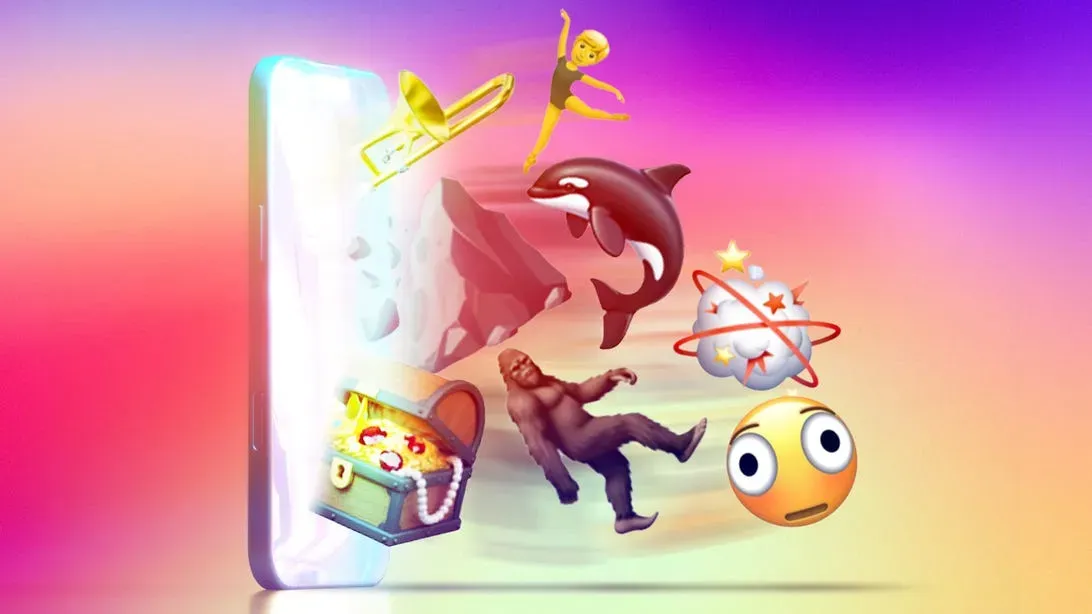
Apple's iOS 26.4 update brought a familiar mix of visible fun and quieter platform strategy: new emoji, native video podcast support and smaller system improvements. For many users, the emoji will be the first thing they notice. For creators, the more important change is inside Apple Podcasts.
The update added eight new emoji, including distorted face, orca, trombone, treasure chest, fight cloud, landslide, ballet dancer and hairy creature. The set gave iMessage and social posts fresh shorthand for stress, humor, chaos and visual emphasis. But the bigger business move was video support in Podcasts, which pushes Apple further into a format shaped heavily by YouTube, Spotify and social clips.
Video Podcasts Change the App's Role
Apple Podcasts gained native support for video episodes, including the ability to move between audio and video versions where creators provide them. Reporting around the release pointed to HLS streaming, full-screen playback and offline video options, which matter because podcasting is no longer purely audio.
Many major shows now exist as studio video, short clips and social-first segments before they are heard as traditional downloads. Apple does not need Podcasts to become YouTube. It does need the app to stop feeling incomplete for creators whose audiences expect video as part of the same show.
Creators Still Have Work to Do
The rollout is practical as much as cosmetic. Video support only matters when creators supply the right files and feeds. A show with audio-only infrastructure will not suddenly become a video show because the app can display video. Producers have to decide whether the extra recording, editing, hosting and bandwidth are worth it.
Creator dependency limits the immediate effect, but it also gives creators a reason to update workflows if Apple Podcasts remains important to their audience. Apple is not just adding a playback feature. It is nudging the podcast supply chain toward a richer media format.
Emoji Still Drive Everyday Adoption
New emoji may seem minor compared with platform architecture, but they drive ordinary user behavior. People update to see them, send them and avoid missing symbols others use. The distorted face drew special attention because it fits the meme language of stress, embarrassment and overload.
The orca, trombone, treasure chest and other additions are less dramatic, but they widen the everyday vocabulary of Messages and social posts. Emoji are small interface changes with wide social reach. Apple understands that, which is why point releases can still feel visible even when the deeper changes sit inside media apps.
Compatibility Shapes the Experience
New emoji only display properly for people on updated systems. That means the early rollout always has a social lag: some users see the intended symbol, while others may see a placeholder or unsupported character. Video podcast features have their own version of the same problem, because the experience depends on device software and creator support.
The uneven rollout makes iOS 26.4 less of a single switch and more of a gradual ecosystem update. Users get the new tools first. Developers, podcast networks and audiences then decide how much those tools change daily behavior.
Apple Keeps the Ecosystem Tight
iOS 26.4 is not just a decorative update. It gives users new symbols, but it also gives Apple another way to hold creators and audiences inside its own media stack. Video podcasts protect Apple's relevance in a format drifting toward video platforms. Emoji keep communication fresh inside Messages.
Smaller fixes reduce reasons to complain, and default apps become slightly harder to replace. None of those changes is revolutionary alone. Together, they show Apple's usual method: adjust the daily habits first, then let the ecosystem value accumulate quietly.