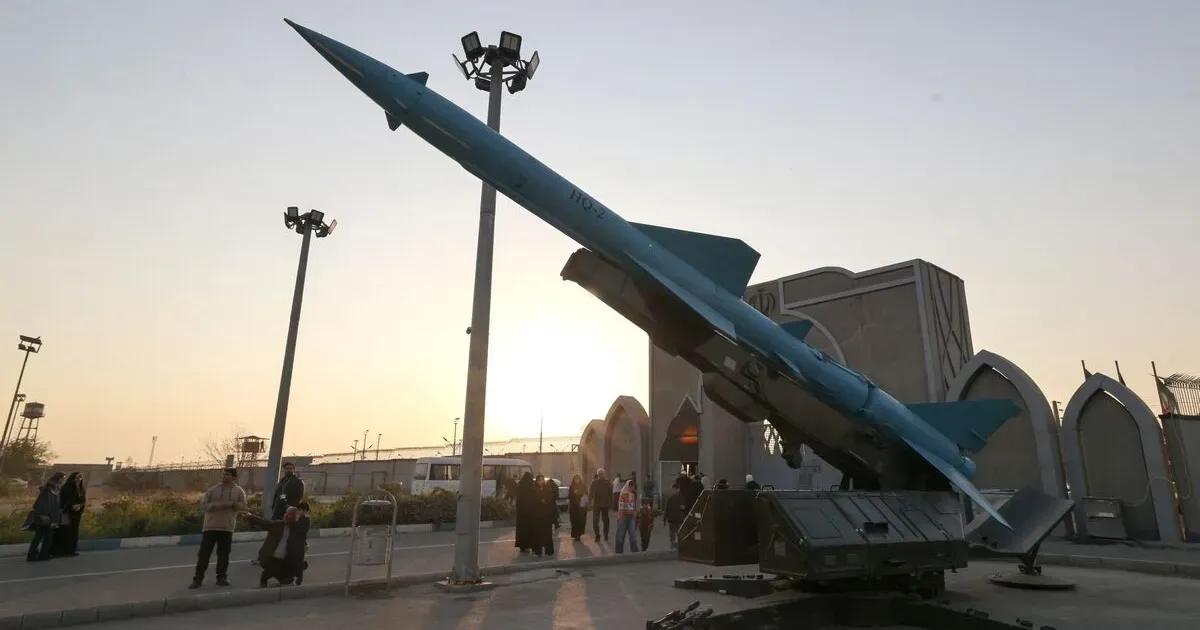
Iran launched a missile strike against a Kuwaiti oil tanker in the Dubai port anchorage, triggering a localized fire and hull damage. This strike targeted a vessel fully laden with crude oil, marking a sharp escalation in the maritime hostilities currently gripping the Persian Gulf. The strike was reported as Gulf shipping routes faced new pressure. Emergency crews from the port authority responded to the blaze while the vessel sat immobilized in the high-traffic shipping lane. By March 31, 2026, Kuwait Petroleum Corporation had confirmed the vessel sustained serious structural impact during the morning assault.
Crude oil prices surged across international benchmarks as news of the explosion reached trading desks in London and New York. Market participants quickly bid up Brent and West Texas Intermediate futures, reflecting immediate fears of a protracted closure of the Strait of Hormuz. Simultaneously, US equity index futures retreated sharply. Wall Street traders braced for a period of heightened volatility, liquidating positions in tech and consumer discretionary sectors to seek safety in energy and defense stocks.
Dubai Port Attack Disrupts Global Shipping
Iranian military forces executed the operation within the anchorage area of the port of Dubai, a location previously considered a safe haven for commercial vessels. Local maritime security reports suggest the projectile struck the hull near the waterline, causing an immediate breach. Sailors on nearby ships reported seeing thick black smoke billowing from the tanker for several hours. Port operations slowed to a crawl while security teams conducted a sweep for additional sea mines or unexploded ordnance.
Global shipping firms expressed immediate concern regarding the safety of their crews and assets in the region. Many vessels currently transiting the Gulf of Oman have been ordered to hold their positions or divert to alternative ports in the Indian Ocean. Insurance underwriters for maritime cargo began reassessing war risk premiums, which analysts expect will triple by the end of the business day. Operational costs for transporting crude from the Middle East to Asian refineries now face a steep upward trajectory. Data from satellite tracking services showed at least a dozen tankers changing course within minutes of the initial report.
Kuwait Petroleum Corporation stated that Iran hit a fully laden Kuwaiti oil tanker in the anchorage area of Dubai's port, damaging the hull and starting a fire on board.
Kuwaiti officials characterized the attack as an unprovoked violation of maritime law. The government in Kuwait City convened an emergency cabinet meeting to discuss possible diplomatic and military responses. They have requested an immediate session of the United Nations Security Council to address the targeting of civilian commercial vessels. Diplomatic channels between Iran and its neighbors have essentially collapsed as both sides trade accusations of regional destabilization.
Oil Prices Jump as Equity Futures Retreat
Energy analysts at major investment banks pointed toward a supply-side shock if the conflict continues to expand. While global reserves provide a temporary cushion, the physical disruption of a fully laden carrier in a major port creates logistical bottlenecks. Refineries in the United States and Europe rely on the consistent flow of heavy crude from Kuwait to maintain production quotas. This sudden removal of a primary transport route forces buyers to scramble for alternative supplies from West Africa or the North Sea. Ongoing maritime security concerns have prompted new calls for international cooperation to secure the Strait of Hormuz.
Equity markets reacted with swift pessimism toward the prospect of higher input costs for manufacturers. Transporters and airlines saw their stock prices tumble on the expectation of higher fuel surcharges. Federal Reserve officials are now monitoring the situation for potential inflationary pressures that could complicate future interest rate decisions. Investors shifted capital into gold and US Treasuries, seeking assets insulated from the geopolitical turmoil. The S&P 500 futures fell by more than 1.5% in pre-market trading, wiping out gains from the previous session.
Kuwait Petroleum Corporation Confirms Tanker Damage
Technical assessments of the damaged Kuwaiti tanker indicate that the fire was contained to the aft section of the vessel. Salvage tugs moved the ship to a more secure location within the Dubai anchorage to prevent it from drifting into active shipping channels. Divers are inspecting the hull to determine if the structural integrity allows for the safe offloading of the remaining crude oil. Environmental teams have deployed booms around the ship to reduce the risk of a major oil spill in the delicate Gulf ecosystem. Initial reports suggest only a minor leak of bunker fuel occurred during the initial impact.
The persistent threat of asymmetric warfare in these waters has forced a total re-evaluation of maritime logistics. Private security contractors are seeing a surge in demand for armed guards on board commercial ships. Shipowners are also investigating the use of sophisticated electronic jamming equipment to thwart incoming drone or missile attacks. These additions sharply increase the per-voyage cost of transporting oil. The Kuwaiti government has temporarily suspended all new tanker departures until a secure corridor can be established with the help of international naval partners. Port authorities in Dubai have increased their security alert level to the highest possible tier.
Maritime Energy Risk
The tanker strike shows how quickly oil infrastructure can become a battlefield proxy. Even limited damage in Dubai can ripple through shipping insurance, crude prices and Gulf security planning.
Port authorities also have to manage environmental risk, vessel inspections and traffic delays while military officials assess whether the strike was isolated or part of a broader pattern.
That uncertainty is what markets price first.