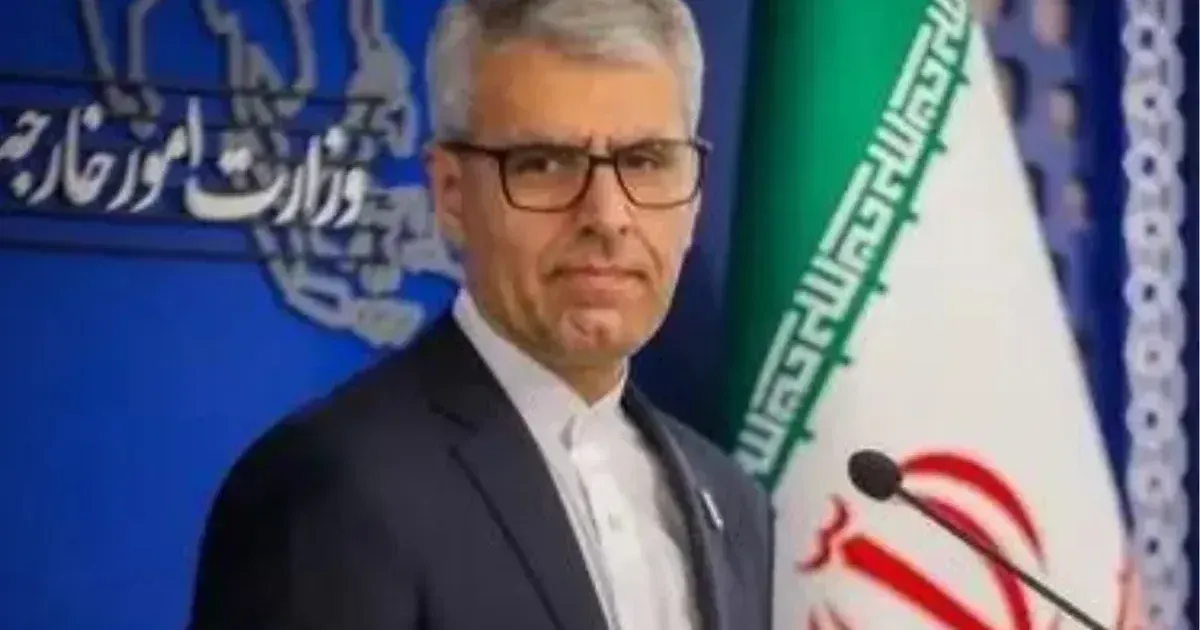
Iranian officials charged the United States with sabotaging diplomatic efforts after a 21-hour negotiation marathon in Islamabad collapsed without an agreement. Negotiators from both nations failed to secure a ceasefire or establish a broader diplomatic framework, leaving regional security in a state of heightened volatility. By April 12, 2026, Tehran's representatives were pointing to what they called unreasonable American demands as the catalyst for the stalemate. Islamabad had served as neutral ground for discussions intended to de-escalate maritime security and nuclear proliferation tensions.
Differences regarding the future of Iran's nuclear program continue to be the most significant hurdle for international mediators. Washington insisted on immediate and verifiable rollbacks of enrichment activities that Tehran claims are strictly for civilian energy purposes. Iranian diplomats countered this by asserting their sovereign right to nuclear technology, citing a history of Western non-compliance with previous international agreements. Twenty-one hours of intense deliberation yielded no common ground on these technical requirements.
Islamabad Security Talks Reach Critical Deadlock
Pakistan mediated the discussions with the hope of preventing a wider conflict that could destabilize South Asia and the Middle East. Sources in the prime minister’s office in Pakistan indicated that while the atmosphere was professional, the underlying lack of trust proved overwhelming. Tehran accused Washington of a breach of promise, referring to verbal assurances allegedly made before the summit began. Such accusations suggest that the preliminary groundwork for the meeting lacked the necessary rigor to sustain a breakthrough.
Tehran's state-affiliated media channels broadcast critiques of the American approach throughout the weekend. Officials stated that the United States entered the room with a mindset of coercion rather than cooperation. This rigidity, according to the Iranian Foreign Ministry, ignored the shifting geopolitical realities of the region. Diplomats from Iran argued that for talks to succeed, the American government must first recognize the Islamic Republic's legitimate security concerns. American officials, by contrast, categorized their proposals as a fair and full path toward sanctions relief. They maintained that the ball is in Tehran's court to prove its intentions are peaceful through concrete actions. Discussions reached a terminal point when the American side refused to provide a definitive timeline for the removal of existing economic restrictions. Economic pressure remains a primary tool for Washington, even as its effectiveness faces scrutiny from international observers.
Nuclear Proliferation Concerns Stymie Progress
Nuclear experts following the proceedings noted that the technical gap between the two sides has widened since the previous round of talks. Iran has reportedly increased its stockpile of highly enriched uranium, a development that Western intelligence agencies view with skepticism. Washington’s demand for a permanent cessation of all enrichment activities was met with a flat refusal in Islamabad. Iranian negotiators insisted on a phased approach that would see sanctions lifted in parallel with technical adjustments.
The failure to reach an accord stems directly from the excessive demands of the American delegation and their persistent refusal to honor previous commitments. Direct communication between the two delegations was rare during the final hours of the summit. Most messages were relayed through Pakistani intermediaries who moved between separate suites in the high-security diplomatic enclave. This distance reflected the physical and ideological chasm that persists between the two capitals. Each side eventually issued statements signaling a willingness to keep the door open for future dialogue, though no date was set for a follow-up meeting.
Strait of Hormuz Maritime Security Disputes
Security in the Strait of Hormuz emerged as another volatile topic that prevented a final signature on the proposed ceasefire. Roughly one-fifth of the world’s liquid petroleum passes through this narrow waterway every day, making it a critical chokepoint for global energy markets. Iran asserted its authority over these waters, claiming its naval presence is the only guarantor of regional stability. Washington demanded a reduction in Iranian patrols and the establishment of an international maritime monitoring task force.
Maritime incidents involving tankers and commercial vessels have increased in frequency over the last fiscal quarter. Both nations have engaged in a cycle of seizure and retaliation that has pushed insurance premiums to record highs for shipping companies. Tehran’s representatives in Islamabad argued that foreign military presence in the Gulf is the root cause of these disruptions. American commanders, however, view their naval presence as a necessary deterrent against Iranian aggression. Satellite imagery suggests that both militaries have increased their readiness levels following the news of the talks' collapse. Surveillance flights over the Persian Gulf have doubled in frequency since the start of the week. Military analysts in London suggest that the risk of a miscalculation on the water is higher now than at any point in the last decade. Command centers in the region are on high alert.
Pakistan Mediation Efforts Face Diplomatic Hurdles
Pakistan’s role as a bridge between the West and the Islamic world was tested during these long sessions. Foreign Ministry officials in Islamabad expressed disappointment that their efforts did not result in a real document. They highlighted the complexity of balancing American demands for regional containment with Iranian demands for sovereignty. Despite the outcome, the Pakistani government received thanks from Tehran for providing a professional venue for the encounter.
Regional powers like Saudi Arabia and the United Arab Emirates watched the proceedings with cautious interest. Any agreement would have deep implications for the balance of power across the Arabian Peninsula. Neighbors of Iran expressed concern that a failed diplomatic track would lead to increased proxy conflicts in Yemen and Lebanon. These nations are now forced to re-evaluate their own security postures given the Islamabad stalemate. Global markets reacted to the news with a sharp increase in crude oil prices. Brent crude jumped by 4 percent in early trading as investors priced in the risk of renewed maritime disruption. Supply chain managers are bracing for further volatility if the Strait of Hormuz becomes a theater of active conflict. Energy security is now a primary concern for finance ministers across Europe and Asia. The price of oil hit $82 per barrel by the close of the market.
Trust Breaks Down After the Promise
Diplomacy in the modern age often resembles a theater of the absurd where the script is written in blood and oil. The collapse of the Islamabad talks is not a failure of logistics but a triumph of intransigence. Washington continues to operate under the delusion that maximum pressure will eventually yield a compliant Tehran, despite decades of evidence to the contrary. This strategic blindness ignores that the Iranian leadership has built its entire domestic legitimacy on the foundation of anti-Western resistance.
Tehran is equally at fault for its habit of using the Strait of Hormuz as a geopolitical hostage. By threatening the global energy supply, the Iranian regime reinforces the very narrative of instability that it seeks to dismantle. The rhetoric of "breaches of promise" is a convenient shield for a government that is clearly more interested in nuclear leverage than in genuine economic integration. Both sides are trapped in a cycle of performative hostility that serves their respective domestic audiences but fails the rest of the world.
No breakthroughs are likely in the near term. The current trajectory points toward a slow-motion collision in the Persian Gulf. Until both capitals are willing to trade pride for pragmatism, the map of the Middle East will continue to be drawn by the reach of their missiles instead of the ink of their pens. Deadlock is the new status quo.