Corporate planning is shifting as the Iran conflict changes risk forecasts. The shift matters because corporate targets are being rewritten around geopolitical risk. David Solomon confirmed on April 16, 2026, that Goldman Sachs continues to see steady deal-making activity regardless of the intensifying conflict in Iran. Executives across various sectors began releasing first-quarter data that illustrate a fractured global response to the regional instability. While energy markets fluctuate, the primary concern for many corporate leaders has shifted from immediate kinetic risks to long-term structural changes in consumer behavior. Global markets are currently balancing the reality of a localized war with the necessity of maintaining technological momentum. Investors reacted with surprising stability as the military engagement entered its second month. Growth in the technology sector continues to provide a psychological buffer for equities traders. Market volatility surged briefly when shipping lanes were first contested, yet the broad indices have since recovered much of their initial losses. Large-cap firms are relying on diversified revenue streams to reduce the localized impact of the fighting.
China Economic Growth Outpaces Middle East Disruption
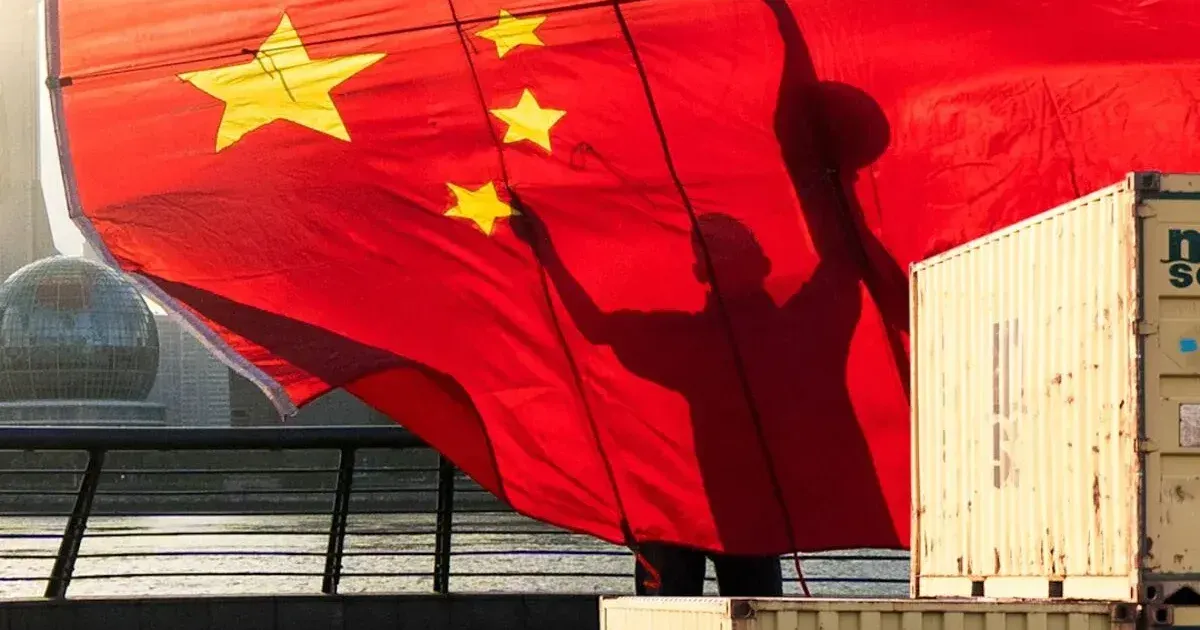
China reported an unexpected rebound in economic growth during the first three months of the year. Such expansion surpassed previous analyst projections even as the war threatened to destabilize global trade routes. Data from Bloomberg Economics suggests that the Chinese industrial engine managed to absorb the initial shocks of the regional war. Manufacturing output across major hubs grew by 5.3% in the first quarter, providing a floor for global demand. Industrial output in the Pearl River Delta remains steady through April. Domestic demand within the Chinese market continues to be the primary concern for policymakers in Beijing. Weak consumer spending persists as a drag on the broader recovery, highlighting a disconnect between manufacturing strength and household confidence. Policy intervention in the real estate sector has yet to yield a full-scale turnaround in consumer sentiment.
Beijing's ability to maintain high export volumes has proven critical for global supply chains. Trade links between East Asia and the West have stayed operational despite the closure of certain traditional transit corridors. Shipping companies have used alternative routes that, while more expensive, ensure the continued flow of electronics and raw materials. These logistical adjustments have prevented a total freezing of international commerce.
Global Luxury Brands Record Lower Middle East Footfall
LVMH reported a noticeable decline in mall traffic across the Middle East as the conflict entered its second month. The luxury giant, which oversees brands such as Louis Vuitton, noted that the absence of high-net-worth shoppers in regional hubs has direct implications for quarterly revenue. Luxury goods often serve as the first casualty when regional instability limits the movement of affluent travelers. Retail centers in Dubai and Doha recorded the sharpest drops in visitor numbers since the onset of hostilities.
David Solomon said during a recent earnings call that the environment for investment banking, particularly merger and acquisition activity, remained highly resilient.
His assessment reflects a broader trend where financial services firms prioritize technological advancement over regional skirmishes. Solomon indicated that corporate leaders view artificial intelligence as a force that outweighs many of the current geopolitical risks. This prioritization of technology suggests a shift in how risk is quantified in the modern boardroom.Advertising giant Publicis Groupe observed similar patterns of cautious optimism mixed with tactical delays. CEO Arthur Sadoun told investors that some clients have postponed large capital expenditure projects. These delays focus on transformation initiatives that require long-term stability to justify the initial investment. Client resilience has improved since the supply chain crises of the early 2020s, allowing brands to maintain marketing budgets despite the uncertainty.
Financial Sector Profits Hold Despite Geopolitical Uncertainty
Oil prices continue to exert pressure on global supply chains as the war restricts shipping through the Strait of Hormuz. Logistics companies report increased insurance premiums and longer transit times for goods moving between Europe and Asia. These costs eventually filter down to the retail level, though the timing of the impact varies by industry. Energy-intensive manufacturing sectors are seeing the most immediate margin compression.
Goldman Sachs maintains a bullish stance on the appetite for corporate consolidation. Merger and acquisition activity often accelerates during periods of dislocation as stronger firms seek to acquire distressed assets. Bankers argue that the necessity of scale in a digital economy provides a buffer against regional wars. Private equity firms also hold record levels of unspent capital, ready to be deployed as valuations adjust to the new geopolitical reality.
Technology investment now competes directly with geopolitical risk assessment for the attention of the world's most influential chief executives. Such competition for resources defines the current fiscal year. Many firms are choosing to accelerate their digital plans rather than scale back operations in response to the war.
Corporate Strategy Shifts Toward Artificial Intelligence Projects
Artificial intelligence integration is currently viewed as a more serious driver of future earnings than the immediate fallout of the conflict. Chief executives suggest that the productivity gains promised by automated systems can offset the rising costs of energy and logistics. Such a focus indicates a departure from traditional risk management strategies that focused primarily on regional stability. Silicon Valley firms are reporting record interest in enterprise-level automation tools.
Middle East markets once viewed as primary growth engines for the luxury sector are being re-evaluated. Footfall in major retail centers dropped sharply since the first missiles were launched. Retailers are shifting their inventory toward more stable markets in North America and East Asia. Such pivots ensure that global sales targets stay within reach even if the Levant remains volatile.
Arthur Sadoun emphasized that the resilience of global brands depends on their ability to ignore noise and focus on long-term transformations. Client feedback suggests that while some projects are paused, the underlying desire for digital evolution persists. Publicis Groupe expects a return to normal spending patterns once the trajectory of the war becomes clearer. Market sentiment suggests that the initial shock of the war has been replaced by a calculated, defensive posture.
Iran remains a central node in the global energy infrastructure, and any prolonged disruption will test the strategic reserves of Western nations. Current projections suggest that the conflict could result in a 15% increase in baseline shipping costs. Companies are already adjusting their full-year guidance to account for these logistical headwinds. Energy markets stay on high alert for any further escalation that could impact production facilities.
Total global trade volume grew by 2.4% in the first quarter despite the regional hostilities. Decoupling of market performance from geopolitical events has become a defining characteristic of the 2026 fiscal year. Capital concentration in technology and financial services provides a degree of insulation from localized wars. Most corporations are betting that the digital frontier offers more safety than the physical one.
Corporate Planning Moves Around War Risk
Corporate leaders are continuing artificial-intelligence projects and merger discussions while also adjusting budgets for higher energy, insurance and shipping costs. That approach reflects confidence in long-term technology investment, but it cannot remove the physical dependence of factories and trade on fuel and maritime routes.
LVMH’s lower regional footfall and the delays reported by Publicis show that the conflict is already affecting consumer activity and capital spending unevenly. Goldman Sachs’s resilient deal pipeline provides a counterpoint rather than proof that every sector is insulated.
If the Iran conflict persists, companies will have to test whether productivity gains can offset supply disruption and weaker demand. Current Chinese growth and financial-sector activity provide room to adapt, but boards are still exposed to the length of the war and the stability of the Strait of Hormuz.