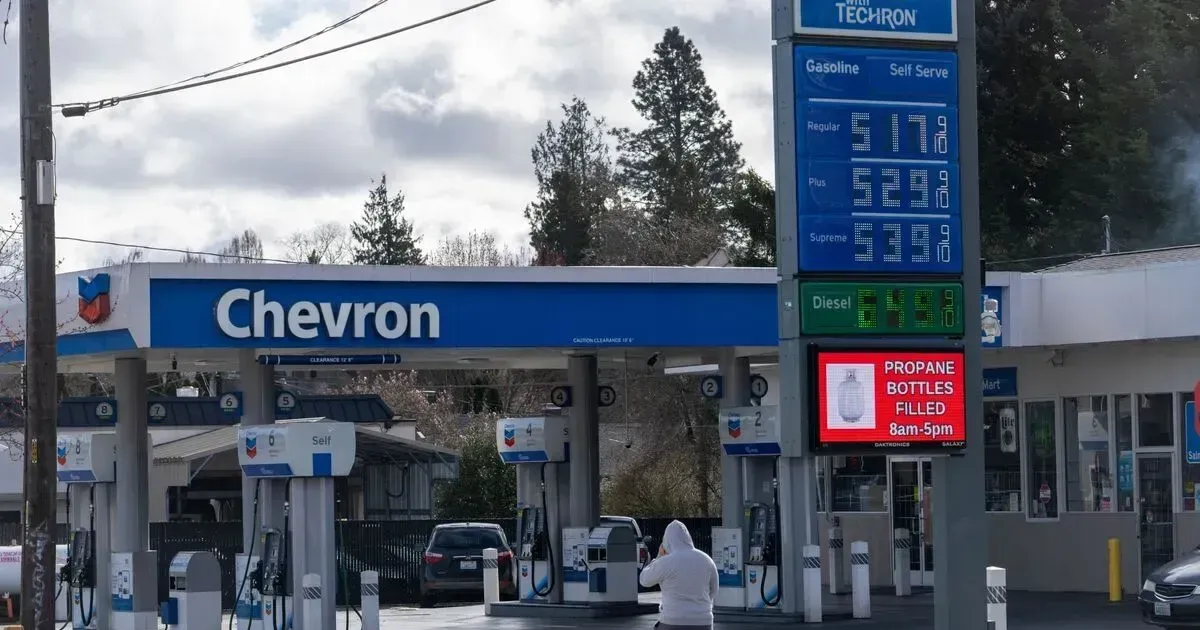
The Iran conflict has revived a problem the Federal Reserve hates most: energy-driven inflation arriving at the same time growth expectations weaken. The stagflation concern intensified on March 16, 2026, as oil-price pressure collided with softer growth signals and left investors questioning the Fed's room to respond. March 16 saw financial markets descend into a state of high anxiety as the escalating conflict in Iran began to paralyze global energy routes. Investors who spent the previous year monitoring trade policy shifts now face a different species of economic threat.
Oil Shock Hits the Inflation Outlook
While domestic tariffs dominated the 2025 discourse, the current volatility stems from physical supply disruptions that are far harder to mitigate with policy adjustments. Markets are pricing in a reality where high prices and low growth coexist for the foreseeable future. Crude oil futures surged past $135 per barrel in early trading, a level not seen in nearly two decades.
The Fed Has Less Room to Maneuver
This price action reflects a deep-seated fear that the Persian Gulf will remain a theater of kinetic warfare for months. Analysts at various New York firms have begun revising their year-end inflation targets upward, even as industrial output figures show signs of a cooling economy. The combination of these factors has revived the term stagflation, a word that has haunted central bankers since the 1970s. Crude oil prices have breached key resistance levels. It refers to the risk that inflation stays high while economic growth slows. Any sustained disruption to energy flows can raise fuel costs and filter into broader prices.
Growth Risk Meets Price Pressure
Energy analysts point to the Strait of Hormuz as the primary trigger for the current price spiral. Roughly one-fifth of the world’s total oil consumption passes through this narrow waterway daily. Reports of naval skirmishes and mine-laying activities have forced insurers to hike premiums to prohibitive levels. So, several major shipping lines have diverted tankers around the Cape of Good Hope, adding weeks to transit times and millions to operational costs.
Bloomberg Economics data indicates that every ten-dollar increase in the price of oil subtracts approximately 0.1 percentage points from global GDP growth while adding pressure to inflation expectations. In the United States, the impact is felt immediately at the gas pump and in home heating costs.
Low-income households are particularly vulnerable as energy takes up a larger share of their discretionary income. Retail sales data from the first two weeks of March already show a noticeable pull-back in non-essential spending. The threat of a prolonged conflict in the Middle East has fundamentally altered the risk premium for global energy, creating a price floor that will be difficult for the Federal Reserve to penetrate through interest rate hikes alone.
But the situation involves more than oil. Natural gas prices have also spiked as European markets compete with Asian buyers for limited seaborne cargoes. This competition drives up the cost of electricity for manufacturers in the American Midwest. Major industrial users of energy are seeing their margins evaporate, leading to hiring freezes and project cancellations. These anecdotal reports are now being reflected in national manufacturing surveys.
Iran War Disruptions Contrast With Tariff Pressures
Comparisons between the current crisis and the 2025 tariff regime reveal a sharp difference in economic mechanics. President Donald Trump used tariffs as a tool for negotiation, creating a form of inflation that was largely driven by policy and could be reversed with a signature. Supply chains could eventually adapt to new trade routes or domestic production could scale up over time.
By contrast, the Iran conflict creates a physical scarcity that cannot be negotiated away easily. Yet the psychological impact on the American consumer remains similar. Both scenarios lead to a perception that the cost of living is spiraling out of control. Public opinion polls suggest that the average citizen does not distinguish between inflation caused by taxes and inflation caused by war. They simply see the dwindling purchasing power of their weekly paycheck. This sentiment has reached its lowest point since the height of the global pandemic.
According to analysts at Goldman Sachs, the persistence of these energy prices could lead to a permanent shift in consumer behavior. People are once again trading in larger vehicles for fuel-efficient models or electric alternatives. However, the electric vehicle market remains hampered by mineral shortages and high interest rates. These supply-side constraints make it difficult for the economy to pivot away from fossil fuels during a crisis. The result is a trapped consumer base with few exits from rising costs.
Federal Reserve Faces Narrow Path to Stability
Policy makers at the Federal Reserve are now caught in a classic central banking trap. Typically, a central bank raises interest rates to cool an overheating economy and lower inflation. But if the inflation is caused by a global supply shock like the Iran war, raising rates may do little to lower prices at the pump.
The Fed Cannot Rate-Hike a Strait Open
The stagflation fear is back because this is exactly the kind of shock monetary policy handles badly. The Federal Reserve can crush demand, but it cannot escort tankers through the Strait of Hormuz. It can raise rates until credit breaks, but that will not produce barrels, reopen shipping lanes or calm insurance markets. War-driven energy inflation exposes the limits of a central bank that investors have spent years treating like an all-purpose rescue service.
That is why this moment is more dangerous than another tariff argument. Tariffs are policy levers. A regional war is a physical constraint. If oil stays high while growth weakens, the Fed will be forced to choose which pain it wants to be blamed for: inflation that eats wages or tightening that kills jobs. Either choice is ugly, and the market knows it. Stagflation is not a slogan here. It is the bill for assuming geopolitical risk would stay outside the inflation model.