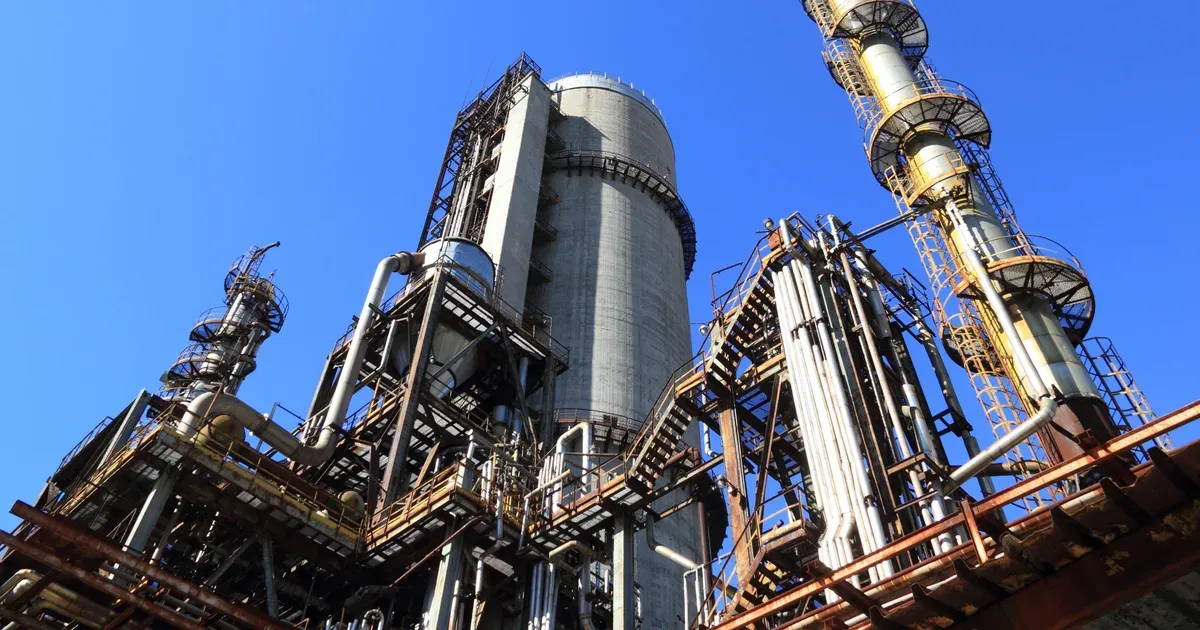
Cuba's national electrical system suffered a total collapse, leaving 11 million people without power. The collapse hit on March 16, 2026. Engineers at the Union Electrica reported a sudden disconnection at the Antonio Guiteras plant in Matanzas during the early morning hours. This failure cascaded across the island within minutes, shutting down every provincial circuit and plunging major cities into darkness. Officials have yet to provide a timeline for restoration as regional sub-stations remain unresponsive to synchronization attempts. The blackout exposed the depth of the island's grid crisis.
According to state media reports, the failure originated from a frequency imbalance that the aging thermal plants could not sustain. President Miguel Díaz-Canel addressed the nation via battery-powered radio, attributing the crisis to the mounting pressure of the US energy blockade. He confirmed that emergency protocols are active, though hospitals and water pumping stations are currently operating on limited diesel generators. Havana residents reported a complete lack of street lighting and cellular data interruptions as the morning progressed. Meanwhile, technical crews in Matanzas are inspecting the Antonio Guiteras facility to identify the precise point of the mechanical rupture. Early indications suggest a boiler failure at the plant, which is the primary contributor to the national grid. Without this anchor facility, the smaller distributed generation units across the provinces lack the stability to remain online. The Ministry of Energy and Mines stated that the total load dropped to zero megawatts at 4:15 a.m. local time.
Fuel Scarcity and US Energy Blockade Dynamics
Fuel shortages have systematically weakened the island's generation capacity for several months. Restricted access to international credit and direct sanctions on shipping companies have prevented the arrival of heavy crude shipments from traditional partners. For instance, tanker arrivals from Venezuela have decreased by 40% compared to last year's averages. This deficit forced the Union Electrica to rely on lower-grade domestic fuels that increase the maintenance burden on sensitive turbine components.
Restoring the national system is our absolute priority, but the physical limitations of our equipment under current fuel constraints are severe.
Yet, the current crisis is not solely a matter of logistics. Specialized components for the Soviet-era thermal plants are increasingly difficult to procure under the current trade restrictions. When a specific valve or control board fails, Cuban engineers often must manufacture makeshift replacements in local workshops. These temporary fixes lack the precision required for long-term grid synchronization. The cumulative effect of these mechanical workarounds created the volatility that led to the Monday morning collapse. Separately, the lack of liquefied natural gas has idled several smaller peak-demand plants near Santa Cruz del Norte. These facilities usually provide the necessary surge capacity to balance the grid when large thermal units go offline for maintenance. Without them, the entire burden fell on the Antonio Guiteras plant, which was already operating past its recommended service interval. Thermal stress on the primary steam lines likely triggered the automatic shutdown sensors. The grid could not absorb the loss of 280 megawatts in a single instant.
Aging Infrastructure Near Matanzas and Havana
Infrastructure decay is most visible in the industrial corridors between Matanzas and the capital city. Eight primary thermal plants across the island average more than 40 years of continuous operation. Maintenance cycles that should occur every five years are now delayed by decades due to a lack of hard currency. In turn, these units frequently operate at only 50% of their rated capacity to avoid catastrophic boiler explosions. Havana's electrical demand frequently exceeds the total available supply during the humid spring months. Still, the government has attempted to mitigate these failures by installing hundreds of small-scale diesel engines in a program known as the Energy Revolution. These units were designed to prevent a single point of failure from darkening the entire country. In fact, many of these distributed generators are now out of service because of a lack of spare parts and lubricants. The decentralized system failed to act as a safety net when the main trunk line collapsed. Most of these engines are now silent.
To that end, the Ministry of Energy has focused its limited resources on the Port of Havana and the tourist corridors of Varadero. Even these protected zones are now experiencing outages as the total system failure bypassed the usual load-shedding protocols. Hotel managers reported that backup systems are struggling to keep air conditioning and refrigeration units active. Tourism, the primary source of foreign exchange, faces immediate operational risks. Cancellations for the remainder of the month are already being processed.
Economic Paralysis and Healthcare Risks
Economic activity across the island has ground to a halt as small businesses and state enterprises lack the power to operate machinery. Food spoilage is the most immediate concern for a population already struggling with inflation and supply chain disruptions. Residents in the Alamar district of Havana spent the morning moving perishable items to the few neighbors with working solar panels or gas-powered freezers. Markets remained closed because electronic payment systems are entirely offline. Cash transactions are the only viable method of exchange.
By contrast, the healthcare sector is attempting to maintain critical care functions through a network of emergency batteries and limited diesel reserves. Major surgical centers in Havana postponed all elective procedures to conserve fuel for intensive care units and neonatal wards. Rural clinics face a more dire situation where generator fuel is often diverted to transport patients to larger urban facilities. Oxygen plants require significant electrical loads to operate, and current inventories are finite. The health ministry ordered a census of all patients requiring mechanical ventilation.
But the social impact extends beyond the immediate lack of light. Internet connectivity dropped to less than 10% of normal levels by midday, severing communication between families and the diaspora. Public transportation hubs are overcrowded as electric trains and trams ceased operations, forcing workers to walk miles to reach their homes. The humidity of the Cuban spring adds a layer of physical distress to the situation. Water distribution relies on heavy electric pumps, and most high-rise apartment buildings lost water pressure within an hour of the blackout. The reservoirs are full, but the taps are dry.
The energy crisis reflects the physical limits of a centralized grid under extreme external and internal pressures. Technical experts from the University of Havana noted that the system requires at least 3,000 megawatts of steady output to remain stable. Current available generation rarely tops 2,200 megawatts even on a good day. This permanent deficit means the grid is constantly vibrating on the edge of failure. The disconnection at Antonio Guiteras was only the final trigger. Reconstruction of the primary circuits will require a slow, manual process of re-energizing one province at a time.
Cuba Is Paying for a Grid Held Together by Scarcity
The blackout is not an isolated technical failure. It is the visible result of an electrical system forced to operate beyond its age, fuel supply and maintenance capacity. Cuba can blame sanctions, and the external pressure is real. But the physical consequence is brutally simple: a grid that lacks spare parts, stable fuel and reserve capacity will eventually stop behaving like a grid at all.
The human cost is immediate. Refrigerators fail, water pumps stop, hospitals ration generator fuel and families lose contact with relatives abroad. A national blackout turns every weakness in the state into a household crisis within hours. Re-energizing provinces one by one may restore current, but it will not restore confidence. Cuba’s electrical system is now a daily referendum on whether a country can function when its infrastructure has been asked to survive on improvisation for too long.