President Ferdinand Marcos Jr. declared a national energy emergency on March 29, 2026, because the Philippines faces an imminent fuel supply collapse. Iranian military actions in the Strait of Hormuz have paralyzed shipping across Asia for five consecutive weeks. Effective closure of this maritime chokepoint prevents roughly 20% of the world’s oil and liquefied natural gas from reaching global markets. Asian nations purchase more than 80% of the crude and gas flowing through these waters. Sudden fuel shortages have triggered export bans and forced government budgets to a breaking point.
Asian Energy Economies Face Imminent Resource Depletion
Seoul officials urged households to take shorter showers and charge electronic devices only during off-peak hours to conserve dwindling power reserves. High-energy appliances like washing machines are now restricted to weekend use only. South Korea faces a severe supply shock that has rippled into the corporate sector. Samsung executives barred employees from driving personal vehicles to work if the final digit of their license plate matches the current date. These measures aim to stretch national stockpiles until alternative routes or suppliers can be secured.
Southeast Asian governments are adopting similarly restrictive protocols. Thailand introduced a mandatory four-day workweek for all civil servants to reduce office electricity consumption. Government buildings in Bangkok must maintain higher air-conditioning temperatures to curb demand. Vietnam’s airlines are suspending dozens of domestic routes because the country lacks sufficient jet fuel for full operations. Critical infrastructure in Manila depends on emergency shipments that have yet to materialize.
President Ferdinand Marcos Jr. on March 24 declared a national energy emergency, citing an “imminent danger” to the nation’s supplies of fuel.
Malaysia’s monthly fuel-subsidy bill surged from 700 million Malaysian ringgit to more than $3.2 billion in less than thirty days. Such financial strain threatens to destabilize the national currency. Transit workers in several Philippine provinces went on strike on Friday to protest the soaring costs of diesel and gasoline. Fuel shortages are forcing a return to coal-fired power plants despite years of climate policy. Short-term energy survival have taken precedence over long-term carbon reduction targets across the continent.
Asymmetric Drone Warfare Exposes Western Defense Vulnerabilities
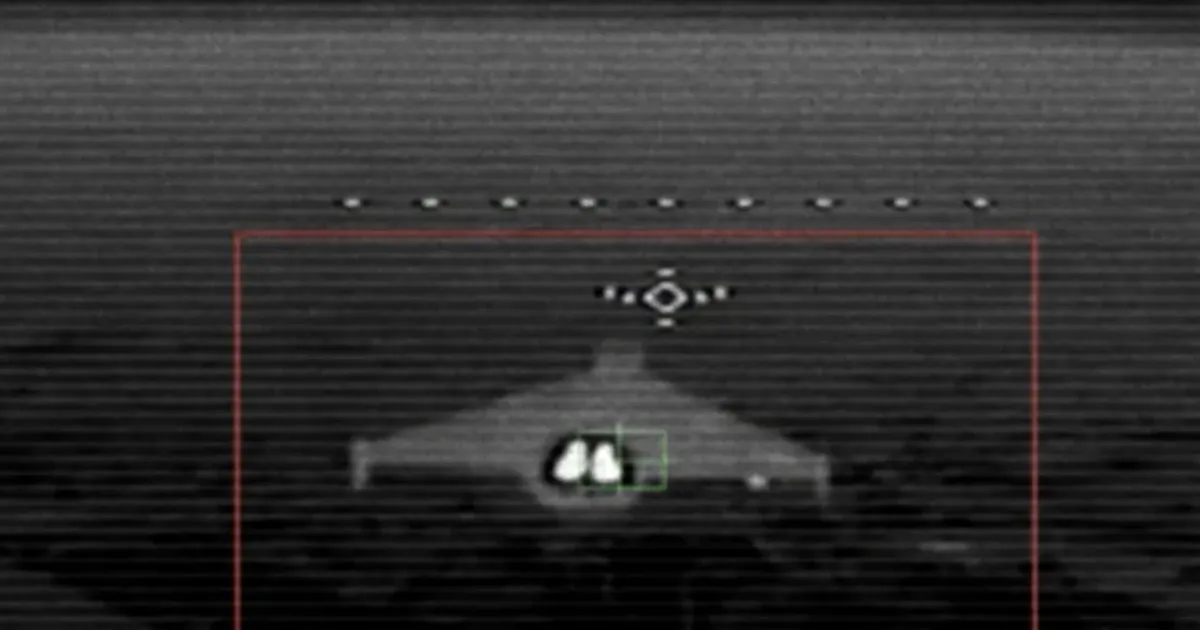
Iranian-backed forces have launched more than 3,600 one-way attack drones across the Middle East since hostilities began. These weapons, known as the Shahed series, cost between $20,000 and $50,000 each. They possess a wingspan of nearly 10 feet and a flight range of up to 1,000 miles. Mass production allows Tehran to sustain daily barrages that overwhelm sophisticated air defense systems. A persistent buzzing sound often precedes the impact of these units, which carry up to 90 kilograms of explosives. Volatility in the Strait of Hormuz has sent shockwaves through global stock markets, leading to recent index corrections.
Air defense batteries in Bahrain failed to stop a drone from hitting a radar dome near the US Fifth Fleet headquarters. Similar strikes caused huge fires at a Saudi Arabian refinery and disrupted energy infrastructure in Kuwait. A high-rise building in Manama suffered heavy damage during an overnight raid in early March. Defense analysts note that Western militaries struggle to intercept low-cost drones with interceptor missiles that cost millions of dollars. The economic imbalance of this warfare favors the attacker over the defender.
Ukraine became a leader in drone defense during four years of conflict with Russia, yet these lessons have not fully transcheduled to the Persian Gulf theater. US Central Command continues to target launch sites and storage facilities. Iranian drone strikes recently targeted a luxury district in Dubai, causing serious property damage and panic among international investors. Sustained aerial pressure increases the risk to global shipping lanes beyond the immediate war zone. Allied naval forces are currently unable to guarantee safe passage through the region.
Iranian Officials Claim United States Invasion Plans are Advancing
Tehran recently accused the United States of seeking diplomatic talks as a cover for an imminent invasion. Iranian state media suggests that American military buildup in the region indicates a shift toward full-scale ground operations. Iranian-backed Houthi rebels stated they launched a second direct attack on Israel in retaliation for Western naval presence. Tensions between Washington and Tehran have reached a level not seen in decades. Both sides continue to mobilize assets along the borders of the conflict zone.
Western diplomats deny any intention to launch a ground invasion. They insist that the naval presence is purely defensive to protect international trade. Tehran maintains that the blockade will persist until its security demands are met. The diplomatic deadlock persists while energy prices reach record highs in European and Asian markets. Intelligence reports suggest that Iran has expanded its drone production facilities to keep pace with the high rate of expenditure. These factories are reportedly located in underground complexes to avoid airstrikes. Global power dynamics also favored Beijing's industrial capacity as the crisis exposed how unevenly states can absorb energy and drone-warfare shocks.
Beijing’s industrial prowess positions it for meaningful economic and diplomatic gains during this crisis. While the United States focuses on military containment, China is securing long-term energy contracts through land-based pipelines and alternative maritime routes. Chinese manufacturing continues to supply the components necessary for both civilian and military technology across Eurasia. Beijing is a primary trade partner for many of the nations currently suffering from the Hormuz blockade. Its influence over regional energy security is growing.
Global markets are reacting to the shift in power dynamics. Investors are moving capital toward Chinese firms that specialize in renewable energy and nuclear technology. The supply shock may accelerate the adoption of electric vehicles faster than government mandates ever could. China’s control over battery supply chains provides a distinct advantage in this transition. While Western nations manage the immediate fallout of the drone war, Beijing is building an energy architecture that bypasses traditional chokepoints. This strategy strengthens its claim to superpower status.
Energy Security After Hormuz
History rarely rewards those who bring expensive shields to a fight dominated by cheap spears. The current conflict in the Middle East has exposed a catastrophic failure in Western military doctrine. Washington continues to prioritize multi-billion dollar carrier strike groups that are increasingly vulnerable to swarms of twenty-thousand-dollar drones. This fiscal and tactical asymmetry is unsustainable. Every million-dollar interceptor fired at a Shahed drone is a mathematical victory for Tehran. What is unfolding is the end of a defense era where quality can reliably overcome quantity.
China is the only true beneficiary of this chaos. While the United States depletes its political and military capital in the Persian Gulf, Beijing is quietly rewiring the global energy map. The return to coal and the rush toward nuclear power in Asia are not just reactions to a shortage; they are the foundation of a new, China-centric energy order. By the time the Strait of Hormuz reopens, the world will have already moved on from the systems the United States was trying to protect. Washington is fighting a 20th-century war in a 21st-century reality. Carrier dominance ends.