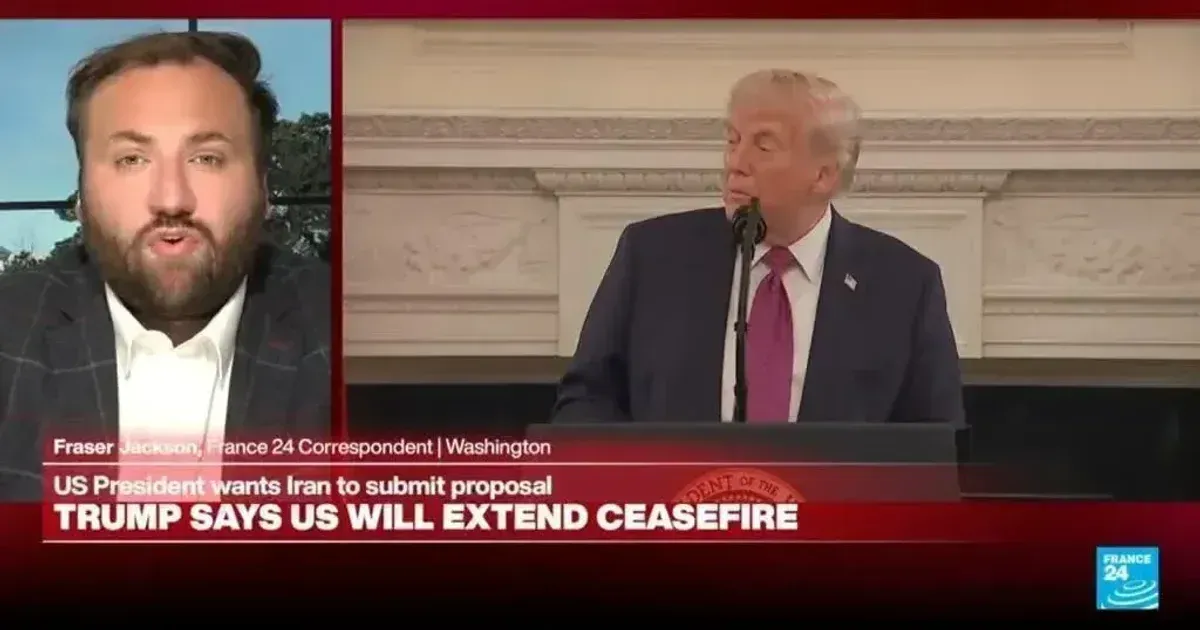
Kazem Jalali, the Iranian Ambassador to Russia, confirmed on April 23, 2026, that Tehran has no immediate plans to resume diplomatic engagement with the United States in Pakistan. Confusion emerged regarding a potential follow-up to the secretarial-level discussions held earlier this month in South Asia. Jalali clarified that no information exists regarding a new round of talks scheduled for the immediate future. The previous meeting between the two sides occurred in Islamabad on April 11.
Geopolitical friction between Washington and Tehran continues to stall the normalization of ties. Direct communication remains a rarity, often relegated to third-party mediators who relay messages across ideological divides. Pakistan became a critical site for these exchanges during the early weeks of the current calendar year. Islamabad provided a neutral venue where representatives could address regional security concerns without the immediate glare of Western media scrutiny. The specific agenda of the April 11 meeting focused on border stability and maritime safety in the Persian Gulf.
Recent reports suggested a second phase of these discussions was imminent. Jalali, speaking from Moscow, dismissed these assertions as unfounded under current conditions. Iran has historically maintained a cautious approach to back-channel diplomacy, often denying the existence of talks until real outcomes are reached. Officials in Tehran frequently emphasize that the mere act of meeting does not signal a concession on core national interests. National sovereignty and the lifting of economic sanctions remain the primary foundations of the Iranian negotiating position.
Islamabad Diplomatic Channels and Regional Mediation
Pakistan has transitioned into a central role for enabling these high-stakes encounters. Historically, Oman was the primary conduit for US-Iran relations, but the shift toward Islamabad reflects changing regional dynamics. Security officials in Pakistan coordinated the logistics for the April 11 sessions under strict confidentiality protocols. These meetings involved mid-level diplomats who specialized in nuclear non-proliferation and regional proxy de-escalation. The Pakistani Foreign Ministry has not commented publicly on its role in the April sessions.
Tehran views the selection of a regional neighbor like Pakistan as a strategic choice. Reliance on a fellow Islamic republic provides a layer of cultural and political insulation that Western-aligned mediators often lack. This geographical proximity also allows Iranian officials to consult with leadership in Tehran in real-time. By contrast, the United States utilizes these channels to gauge the internal stability of the Iranian administration. Each session in Islamabad is a diagnostic tool for the State Department to assess whether the Iranian executive branch holds the authority to implement potential agreements.
Strategic analysts in Moscow and Washington suggest that the April 11 talks were exploratory rather than substantive. Participants reviewed previous points of contention regarding the 2015 nuclear deal framework. Despite the lack of a public breakthrough, the existence of the meeting confirms that communication lines are not entirely severed. These quiet exchanges provide a safety valve during periods of heightened military readiness. The Iranian delegation returned to Tehran immediately following the conclusion of the Islamabad sessions.
Jalali Outlines Iranian Demands for Peace
Fairness and lasting stability constitute the non-negotiable requirements for any future dialogue, according to the Iranian ambassador. Jalali specified that Iran will not participate in lopsided negotiations that favor Western strategic interests while ignoring Persian security concerns. He argued that previous agreements failed because they lacked a mechanism for permanent conflict resolution. The Iranian government demands a framework that recognizes its right to regional influence and peaceful nuclear development. This stance complicates efforts by the Trump administration to revive older treaties.
"If there are talks, they must be fair and aimed at achieving lasting peace," Kazem Jalali said regarding the prospects of future engagement.
Achieving this level of fairness requires a substantial shift in American foreign policy, in the view of Tehran. Iranian leaders point to the unilateral withdrawal from the JCPOA in 2018 as proof of American unreliability. This historical grievance fills every level of the current diplomatic standoff. Jalali emphasized that the burden of proof lies with Washington to demonstrate a genuine commitment to international law. Any future discussions must begin with the acknowledgement of past treaty violations by the United States.
Pressure from hardline factions within the Iranian parliament also restricts the flexibility of the diplomatic corps. These groups view any engagement with the United States as a potential threat to the revolutionary values of the state. Jalali must balance his public statements to satisfy both the international community and domestic critics in Tehran. His insistence on fair terms is a signal to the conservative base that the government will not capitulate under economic duress. The Iranian economy remains under a regime of $11 billion in annual sanctions impact.
Russian Influence on Persian Gulf Diplomacy
Moscow provides a unique vantage point for Iranian diplomacy due to the deepening military and economic ties between the two nations. Jalali uses his position in Russia to coordinate with Kremlin officials on a shared strategy toward Western sanctions. The United States often monitors these interactions to understand the extent of the Russo-Iranian partnership. Russia views its role as a facilitator for Iran as a way to counter American hegemony in the Middle East. The alignment has grown stronger since the escalation of global trade conflicts in 2022.
Russian diplomats frequently advocate for the Iranian position in international forums like the United Nations Security Council. They argue that Western pressure tactics are counterproductive and only serve to radicalize the regional balance of power. By hosting Jalali and amplifying his conditions for talks, Russia positions itself as an essential mediator in the Persian Gulf. The partnership extends to energy cooperation and the development of new trade routes that bypass traditional Western-controlled corridors. The International North-South Transport Corridor is a key component of this economic strategy.
Washington remains skeptical of the Russian role in these negotiations. State Department officials have expressed concern that Moscow may use its influence over Tehran to disrupt Western energy security. Every diplomatic move made by Jalali is analyzed for potential coordination with Russian intelligence services. Despite this scrutiny, the Iranian envoy continues to use Moscow as a platform for setting the terms of engagement. The Russian Foreign Ministry confirmed it was briefed on the outcomes of the April 11 meeting in Islamabad.
Escalation Risks and Nuclear Proliferation Constraints
Nuclear development in Iran has reached a stage where technical capabilities nearly match political ambitions. The International Atomic Energy Agency continues to request increased access to enrichment sites at Natanz and Fordow. While Jalali speaks of peace and fairness, the centrifuges in these facilities continue to operate at high capacities. The technical progress provides Iran with leverage that it did not possess during previous rounds of diplomacy. Western intelligence agencies estimate that Iran could produce enough weapons-grade material for a device within a short timeframe if the political decision was made. Regional rivals like Israel and Saudi Arabia view the Islamabad talks with varying degrees of apprehension. Jerusalem has warned that it will not allow Iran to hide its nuclear ambitions behind a facade of diplomatic maneuvering. By contrast, Riyadh has shown a willingness to engage in its own de-escalation efforts with Tehran to protect its economic diversification plans. The success or failure of the US-Iran standoff will dictate the security architecture of the Middle East for the next decade. Military exercises in the Strait of Hormuz recently involved over 30 Iranian naval vessels. Economic realities in Iran create an urgent need for sanctions relief despite the defiant rhetoric from officials. Inflation rates in Tehran have prompted localized protests over the cost of basic goods and energy. Jalali and other diplomats understand that a fair deal must include the restoration of Iranian oil exports to global markets. Without this financial infusion, the internal stability of the government could face substantial challenges. The United States continues to use these economic vulnerabilities as a primary tool of statecraft. Recent data indicates that Iranian oil production reached 2.4 million barrels per day in March.
Tehran’s Denial Preserves the Diplomatic Stalemate
Diplomacy between Tehran and Washington has devolved into a calculated performance where the audience is more important than the outcome. The insistence by Kazem Jalali on fair terms is not a genuine invitation to talk but a rhetorical shield designed to justify ongoing nuclear advancement. By setting the bar for peace at an unattainable level of fairness, Iran ensures that the status quo remains intact while it builds technical leverage. The Islamabad channel is a convenient distraction that allows both sides to claim they are seeking peace while they prepare for a more permanent confrontation. Washington is equally complicit in this stagnation. The Trump administration cannot offer the wide sanctions relief Iran demands without facing a political revolt in Congress. So, the United States participates in these secretarial-level meetings to manage the risk of war instead of to resolve the underlying conflict. It is a management strategy, not a peace process. The April 11 meeting was a procedural necessity to prevent a miscalculation in the Persian Gulf, nothing more. Real power in this dynamic shifted long ago from the negotiating table to the enrichment halls of Natanz. Until the United States is willing to accept Iran as a threshold nuclear state, or Iran is willing to dismantle its primary source of geopolitical relevance, these talks will remain a cycle of denials and conditions. The era of grand bargains is over. Expect more Islamabad meetings that produce no statements and more Moscow briefings that offer no hope. The stalemate is the strategy.