The first month of the Israel-U.S. war with Iran did not produce a contained campaign. It produced a pattern: strikes, proxy pressure, maritime risk and public claims of control moving in different directions. By July 2026, that same structure had returned around the Strait of Hormuz.
The war widened after the late-February U.S.-Israeli strike campaign against Iranian targets. March brought missile and drone activity, pressure from Iranian-aligned groups and signs that the fight could move across borders faster than diplomats could frame it. In July, after a fragile interim understanding had weakened, shipping attacks and renewed U.S.-Iran strikes again made the waterway the center of the crisis.
Tempo was not control
High operational tempo can make a campaign look decisive from a podium. It does not prove the conflict is being contained. Airstrikes, missile launches, drone alerts and naval movements stretch intelligence, air defense, logistics and political judgment. They also multiply the chances of misidentification and retaliation.
For Israel and the United States, sustained strikes were presented as a way to degrade Iranian capacity and signal resolve. For Iran and aligned groups, survival and retaliation became part of the message. That exchange can keep both sides inside a familiar script even when neither side wants a wider regional war.
Maritime pressure widened the war
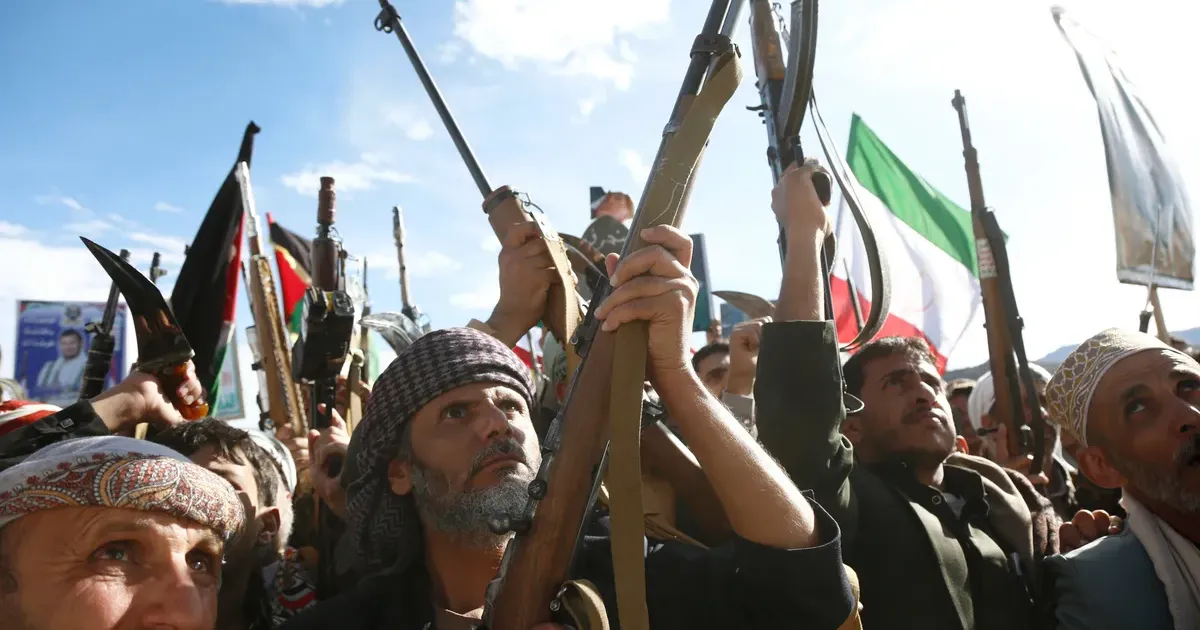
Houthi activity toward Israel and pressure around Red Sea and Gulf-linked routes showed early that the Iran conflict could move beyond Iran's borders. Yemen-based actors did not need to match U.S. or Israeli conventional power to complicate the campaign. Repeated launches, shipping threats and air-defense strain could pull attention away from the main theater.
The logic returned around Hormuz. Once commercial vessels became targets and Iranian and U.S. forces traded strikes near the Gulf, the conflict stopped being only about military installations. It became a contest over passage, deterrence and who gets to define lawful movement through a waterway central to global energy markets.
Hormuz changed the economics
The Strait of Hormuz is not symbolic geography. It is a route watched by energy traders, insurers, navies and households far from the Gulf because disruption can move prices quickly. When attacks return there, the conflict gains a direct economic channel.
Oil prices, shipping schedules, insurance costs and fuel expectations become part of the pressure system. Outside governments then have to price the risk as more than a battlefield story. It becomes a threat to fuel flows, ports, regional bases and domestic inflation politics.
Ceasefire language met ship attacks
The July escalation showed why a ceasefire or memorandum can look stronger on paper than at sea. A written understanding depends on each side believing that restraint still serves its interest. Maritime incidents change that calculation quickly because they create visible losses and immediate demands for response.
U.S. officials framed renewed strikes as a response to threats against commercial shipping and as an effort to keep the strait open. Iranian officials argued that Washington was violating sovereignty and using the waterway to impose pressure. Those claims cannot both define the operating reality, but both can drive escalation if leaders treat the next ship incident as proof that restraint has failed.
Claims need careful verbs
Wartime claims about destroyed capabilities, senior leaders, collapsed defenses or imminent victory need high-confidence sourcing. The verified picture is already dangerous enough: renewed shipping threats, U.S. strikes on Iranian military targets, Iranian retaliation, regional alarms and negotiations trying to keep pace.
Official statements, satellite evidence, shipping data and outside monitoring should be weighed separately. A confident briefing can omit losses, exaggerate damage or frame a tactical move as strategic success. Around Hormuz, loose language can become part of the escalation environment because markets react before every claim is checked.
The first month stayed active
The war's first month did not pass cleanly into history. It trained the conflict. The same habits returned in July: retaliation after maritime incidents, broader target lists, pressure on Gulf states, contested claims about who controls the strait and renewed uncertainty over oil flows.
A durable de-escalation will require fewer attacks, working communication channels, protection for commercial shipping and incentives strong enough for each side to stop before the next vessel, base or port becomes the reason to widen the fight. Hormuz turns limited exchanges into regional tests. When the waterway is stable, diplomacy has room to work. When it is contested, every actor starts measuring credibility against the next incident at sea.