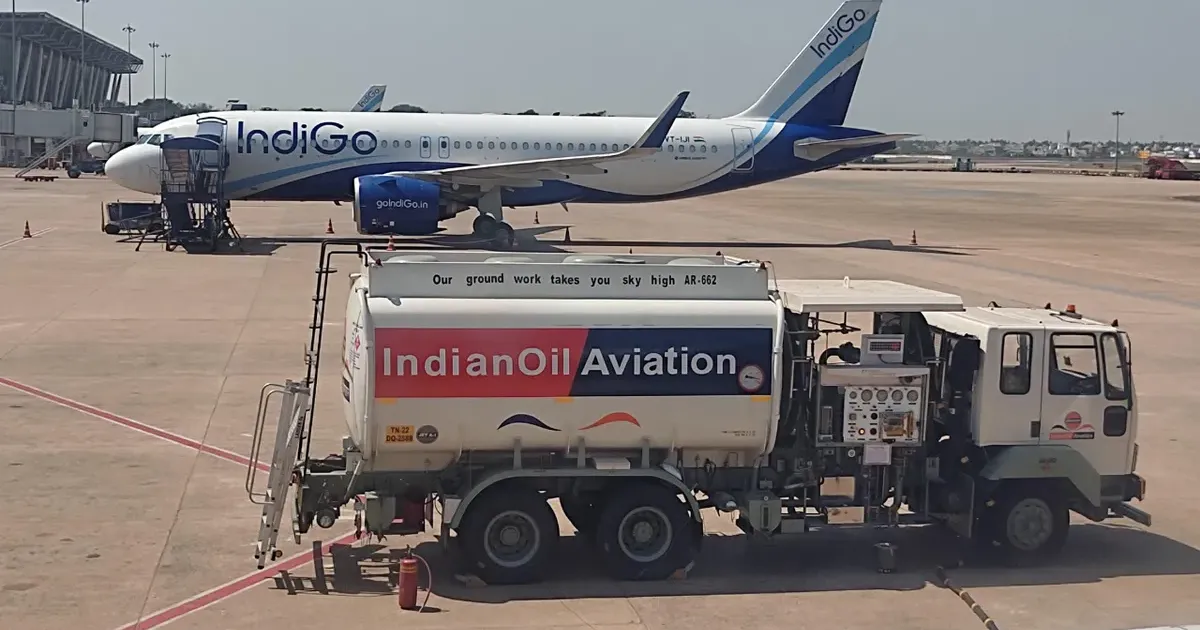
The Iran-war fuel shock is no longer only a warning about what airlines might do. It has already moved into fares, schedules and earnings language. Jet fuel surged during the spring disruption around the Strait of Hormuz, routes were cut, and even after oil eased from the worst levels, carriers have shown little urgency to hand relief back to passengers.
Delta made the point plainly in its July results. The airline reported strong demand and record revenue despite its highest quarterly fuel expense, and management signaled that elevated airfares are likely to last. That is the real travel story now: fuel volatility gave airlines a cost reason to raise prices, but strong demand gives them a commercial reason to keep those prices sticky.
The Fuel Spike Repriced the Summer
Jet fuel is not a marginal expense for airlines. It is one of the largest operating costs, and it hits hardest on long-haul routes, older aircraft and markets where tickets were sold before the cost shock fully arrived. When fuel prices jumped after the Iran war disrupted Gulf energy flows, carriers had to choose between absorbing losses, cutting capacity or pushing costs into fares and surcharges.
Some did all three. Earlier in the crisis, airlines including Air Canada, Delta, KLM and Lufthansa adjusted schedules or routes as fuel economics changed. Those cuts matter because fewer seats also support higher fares. Passengers may think of the issue as a ticket-price problem, but it is also a capacity problem. If an airline removes marginal flights, the remaining seats become more valuable.
Lower Oil Does Not Mean Lower Fares
Travelers often expect airfare to fall when oil prices fall. Airline pricing rarely moves that cleanly. Tickets are sold through demand models, competitive routes, booking curves and capacity constraints. If planes are full and consumers are still paying, carriers do not have a strong incentive to reverse every fuel-driven increase.
The post-peak phase is therefore especially frustrating for passengers. The Iran shock can be passed through quickly when costs rise, while relief can be absorbed slowly into margin repair. Delta's results showed that dynamic: higher fuel expense hurt, but premium demand and broader travel appetite allowed the airline to preserve pricing power. The cost story became a revenue story.
Demand Is Doing the Airlines' Work
The fare environment is not only about fuel. Post-pandemic travel habits, World Cup movement, premium leisure demand and capacity discipline have all helped airlines hold prices. Delta's premium revenue grew faster than main cabin sales, a sign that wealthier travelers are still spending even as price-sensitive customers feel squeezed.
The demand split is important. Airlines can say demand remains strong, and for large carriers with premium cabins that is true. It does not mean all passengers are comfortable. It means enough passengers are still buying to keep the pricing model intact. The result is a K-shaped travel market: strong at the top, painful for families, students and small businesses trying to book around fixed dates.
The Strait Still Controls the Risk Premium
The fuel-risk story has not ended because the Iran truce remains unstable. Renewed attacks around the Strait of Hormuz pushed oil anxiety back into the market in July, and shipping uncertainty can feed fuel prices even before consumers see the full effect at the pump or in ticket searches. Aviation is especially exposed because jet fuel supply chains are regional and time-sensitive.
The risk premium affects airline planning. A carrier deciding whether to keep a marginal transatlantic, Middle East or Asia route has to price not only today's fuel but the chance that next month's supply is tighter. If the risk feels high, the airline may trim service before losses appear in the quarterly report.
The Passenger Pays for an Oil-Dependent Model
Aviation still has no fast substitute for the fuel it burns. Sustainable aviation fuel remains too limited and expensive to shield passengers from geopolitical shocks. Newer aircraft help, hedging helps and schedule discipline helps, but none of those tools removes the industry's dependence on stable oil flows.
These pressures mean fare relief will be slower than travelers want. Airlines have a credible cost argument, a strong-demand argument and, in some markets, a capacity argument. Passengers have only the final price on the screen. The Iran war exposed the same weakness again: when energy security breaks, aviation turns the bill into fewer choices and higher fares.