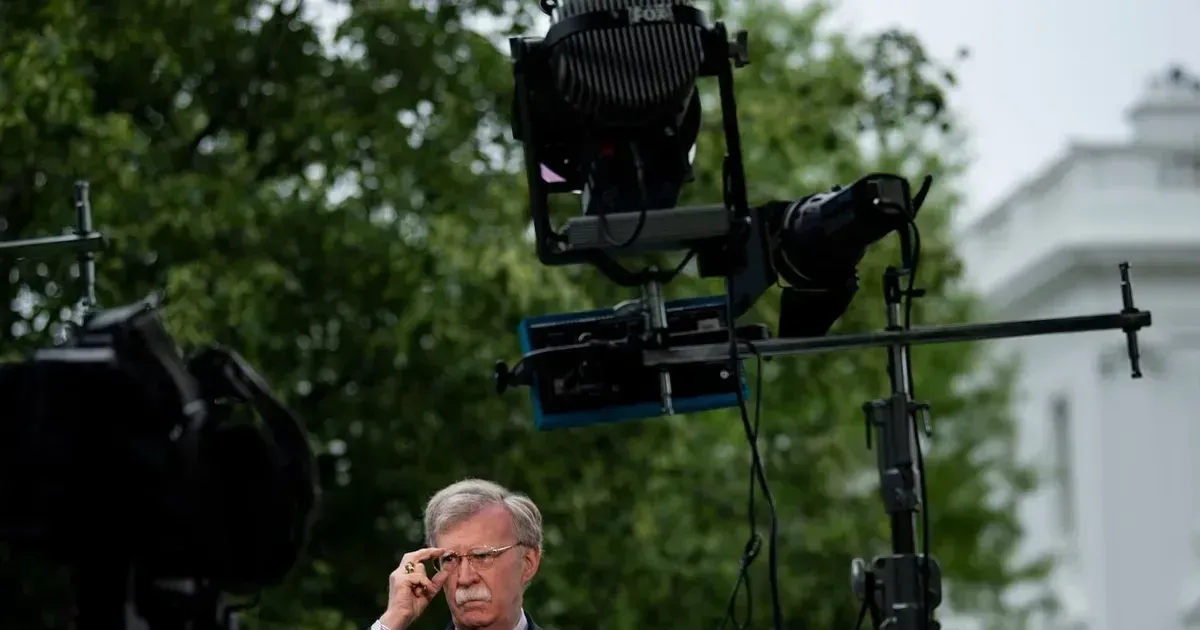
Senator Thomas Vance called for a federal investigation into the lobbying campaign that preceded the military intervention in Iran. Critics of the conflict argue that the architects of the strategy should no longer hold positions of influence. Intelligence reports released last month revealed significant discrepancies between pre-war claims and conditions on the ground. The April 9, 2026, demand added congressional pressure to a widening accountability fight in Washington.
Many analysts believe the current political climate favors a complete overhaul of the National Security Council. Leading figures who championed the invasion now face calls to resign from their advisory roles. Protesters gathered outside several major think tanks in Washington, D.C. earlier today. Security personnel at the American Enterprise Institute reported peaceful but persistent demonstrations.
Intelligence Failures and Institutional Decline
Data from the Congressional Budget Office indicates the total cost of the Iran expedition has exceeded $1.2 trillion. Financial records suggest that a small group of defense contractors secured the majority of emergency procurement deals. These firms reported record profits during the third quarter of last year. Share prices for major aerospace companies rose by 14 percent during the initial bombardment.
Intelligence gathering, once the foundation of the national security state, became a tool for political posturing. Staffers within the Department of Defense reported that dissent regarding Iranian capabilities was routinely suppressed by senior leadership. Memos from 2024 and 2025 show a pattern of cherry-picked data. Experts suggest these actions were designed to mirror the lead-up to the 2003 invasion of Iraq.
Lobbying groups funded by overseas interests played a central role in shaping the narrative. Investigative journalists recently uncovered a network of donations flowing from defense-heavy equity firms to hawkish policy centers. Each donation coincided with a spike in televised appearances by so-called independent experts. The United States Senate subcommittee on ethics plans to subpoena these financial records next Tuesday.
Financial Transparency in Defense Procurement
Congressional investigators found that $450 billion remains unaccounted for in the latest military budget audit. Subcontractors in Kuwait and Qatar allegedly billed the government for services never rendered. Discrepancies in the supply chain led to a shortage of basic equipment for ground troops. Front-line commanders issued several formal complaints regarding the quality of armored transport vehicles.
Defense spending reached its highest level since the height of the Cold War. Taxpayers are now footing the bill for a conflict that many view as an unnecessary expansion of regional power. Economic indicators show a sharp rise in the national deficit. Inflationary pressures linked to military spending have weakened the purchasing power of the average American household.
“Accountability is more than a political preference; it is necessary to restore American credibility on the world stage,” the Foreign Policy Oversight Committee said.
Legal experts suggest that several former officials could face charges of gross negligence. The focus of the investigation centers on whether intelligence was intentionally falsified to justify the use of force. Previous precedents for such trials are rare in the American legal system. Public outcry, nonetheless, has pushed the Justice Department to form a special task force.
Legislative Pressure on Think Tank Influence
Legislation introduced this afternoon seeks to limit the tax-exempt status of think tanks that receive more than 20 percent of their funding from foreign governments. This move targets organizations that effectively acted as unregistered agents during the Iran crisis. Transparency advocates argue that the current system allows for the purchase of policy outcomes. Drafts of the bill include a requirement for real-time disclosure of all donor identities.
Voters in several key swing states have expressed frustration with the bipartisan consensus on interventionism. Polling data suggest that 68 percent of Americans favor a withdrawal of all non-essential personnel from the Persian Gulf. Younger demographics show an even stronger preference for diplomatic solutions. Anti-war sentiment has crossed traditional party lines for the first time in two decades.
Administrative officials in the United States Senate are considering a ban on the revolving door between the Pentagon and private defense firms. Current laws allow high-ranking generals to accept lucrative board positions immediately after retirement. Critics argue this creates a conflict of interest that encourages perpetual conflict. One retired admiral accepted a position worth $85 million in stock options just three months after the initial airstrikes.
History suggests that failed military adventures lead to periods of intense isolationism. The Iranian campaign, characterized by shifting objectives and heavy casualties, fits this historical pattern. Diplomacy with Tehran has stalled as the local population remains hostile to Western influence. Regional stability decreased sharply following the destruction of key infrastructure projects.
Veterans of the conflict have become the most vocal critics of the pro-war elite. Organizations representing those who served in the Gulf are demanding a public apology from the architects of the war. They cite a lack of clear exit strategies and insufficient post-conflict planning. Support for veteran mental health programs has lagged behind the funding for new weapons systems.
Alternative news outlets have gained traction by exposing the links between media pundits and the defense industry. Viewership for traditional cable news networks declined by 22 percent since the conflict began. Audience members are increasingly skeptical of retired military officers who provide commentary while serving as consultants. Trust in corporate media has reached its lowest point since 1976.
Accountability for War Advocacy
Why do we continue to permit the architects of national ruin to keep their keys to the kingdom? The Iranian expedition was not a failure of intelligence; it was a success of marketing. A small, insulated cadre of policy professionals in Washington and London sold a fantasy of quick victory to a public still weary from decades of fruitless intervention. These elites, sheltered by tenure and donor-backed safety nets, never pay the price for their miscalculations. They simply migrate from one board of directors to the next, their resumes burnished by the very fires they helped spark.
The lack of criminal or professional consequences for the designers of the Iran war is an indictment of the modern democratic process. When the cost of failure is zero for the decision-makers but $1.2 trillion for the citizenry, the system is fundamentally broken. We must demand more than committee hearings and sternly worded memos. True accountability requires the total disenfranchisement of the hawk establishment from the halls of power. If the individuals who planned this disaster are allowed to remain in their positions, they will inevitably lead the nation into the next profitable catastrophe. Strip their security clearances. Close their tax-exempt war rooms. End the cycle.