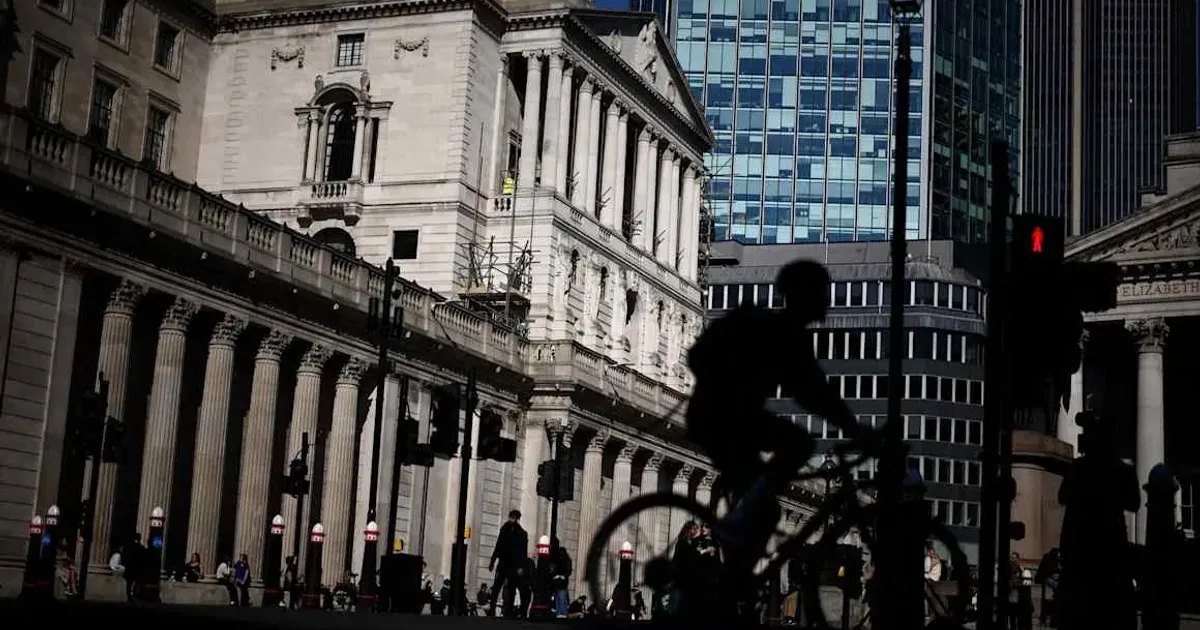
Bank of England officials warned that the intensifying Iran war shock presents a direct threat to the financial stability of 1.3 millionUK homeowners. On April 1, 2026, higher energy prices triggered by the conflict are likely to push borrowing costs upward even as government leaders express confidence in the resilience of the national economy. Central bank governors indicated that the risk to financial systems has reached a critical stage due to volatility in global oil markets.
Energy costs climbed rapidly following the onset of regional hostilities, creating immediate inflationary pressure across the G7. Bank analysts note that these price spikes often force a response from the Monetary Policy Committee to prevent inflation from becoming entrenched. So, variable rate mortgages and new fixed-rate offers have begun to reflect a higher risk premium. Homeowners coming off fixed-term deals in the next twelve months face far higher monthly repayments than those secured during the previous decade of low-interest rates.
Energy Price Surges Impact Household Borrowing
Oil prices surpassed expectations in early trading, leading to concerns that the energy sector could drag the entire economy into a period of stagnation. Economists at the central bank identified a direct correlation between rising fuel costs and the cost of wholesale lending. When energy prices remain elevated, the cost of goods and services rises, which then prompts central banks to maintain restrictive interest rates for longer periods. This pattern threatens to deplete the disposable income of households already struggling with the cost of living.
Market participants expect a protracted period of uncertainty as long as the conflict persists. London stock indices showed weakness in the retail and manufacturing sectors, which are particularly sensitive to energy inputs. While some sectors benefited from higher commodity prices, the broader consumer economy faces a contraction. The Bank of England reported that the number of households at risk of mortgage arrears could rise if the war continues to disrupt supply chains in the Persian Gulf.
Borrowers with variable-rate mortgages will see almost immediate changes to their monthly bills. Financial data suggests that roughly one in five mortgage holders in the United Kingdom falls into this category. For a family with a typical mortgage, a small percentage increase in the base rate could mean hundreds of pounds in extra costs every month. Commercial lenders have already started withdrawing some of their more competitive products from the market in anticipation of further rate hikes.
Prime Minister Starmer Defends Economic Resilience
Prime Minister Keir Starmer countered the central bank's pessimistic outlook by asserting that the United Kingdom is well-placed to weather the crisis. Speaking from Downing Street, he pointed to high employment levels and a solid banking sector as evidence of the country's strength. Starmer suggested that the government's strategic reserves and diversified energy sourcing provide a buffer that was absent during previous energy crises. He emphasized that the administration is monitoring the situation closely and will take necessary steps to protect vulnerable families. This volatility in global oil markets has simultaneously pushed the dollar to a 17-month high.
Treasury officials have been meeting with industry leaders to discuss contingency plans for a long-term energy shortage. Some members of the opposition argued that the government is downplaying the severity of the threat to the housing market. They pointed to the rising cost of government debt as a sign that the international markets are less confident than the Prime Minister. Yields on ten-year gilts reached their highest level in three years, reflecting a cautious stance among global bond investors.
"The conflict is likely to hit economic growth, with higher energy prices potentially leading to higher borrowing costs for homeowners," a spokesperson for the Bank of England stated during the release of the latest financial stability report.
The gap between political messaging and central bank warnings has created confusion among investors and the general public. While the Prime Minister highlights structural strengths, the central bank focuses on the immediate risks of external shocks. This tension reflects the difficult balance between maintaining consumer confidence and preparing for a potential downturn. Historical data from previous oil shocks shows that early intervention is often necessary to prevent a total freeze in the credit markets.
Financial System Stability and Growth Projections
Growth projections for the current fiscal year have been revised downward by several independent think tanks. Most analysts now expect the economy to expand by less than 1 percent if energy prices stay at current levels. Such a low growth rate makes it difficult for the government to manage its debt without increasing taxes or cutting services. The interaction between low growth and high-interest rates creates a classic stagflationary environment that hasn't been seen in decades.
International coordination will be essential to reduce the fallout from the conflict. Starmer has reportedly been in contact with leaders from the United States and Europe to discuss a synchronized release of petroleum reserves. Such a move might offer temporary relief at the pumps, but it does little to address the underlying cost of long-term borrowing. Mortgage lenders require long-term stability to offer low rates, and stability is currently in short supply. However, the resilience of the UK financial system is considerably higher today than it was during the 2008 financial crisis.
Banking institutions hold more capital and are better prepared for shocks than they were in the past. This provides some comfort to those worried about a systemic collapse, though it does little for the individual homeowner facing a 40 percent increase in their mortgage bill. The central bank continues to run stress tests on major lenders to ensure they can survive a deep recession. These tests assume a scenario where unemployment rises and property prices fall simultaneously. Current data shows that most banks could withstand such a shock without requiring a taxpayer bailout.
Stability in the financial sector persists despite the geopolitical turmoil. The core concern remains the individual consumer whose wages are not keeping pace with the rising cost of debt. If 1.3 million households are forced to cut spending to pay their mortgages, the retail sector will likely face a sharp decline in sales. The second-order effect could be the primary driver of a broader economic slowdown in the second half of the year.