The Islamic Revolutionary Guard Corps threat against U.S.-linked universities in the Middle East pushed the Iran conflict into a dangerous civilian-security lane. The key distinction is blunt: a threat against campuses is not proof that an attack has been ordered, but it is serious enough to force universities, host governments and families to act.
The March 29 warning, reported by outlets including The Wall Street Journal, Inside Higher Ed and regional media, told staff, students and faculty to stay at least one kilometer away from American-linked campus facilities. It followed alleged U.S. and Israeli strikes on Iranian academic institutions and framed U.S.-affiliated universities in the region as possible retaliation targets.
Campuses Are Civilian Institutions
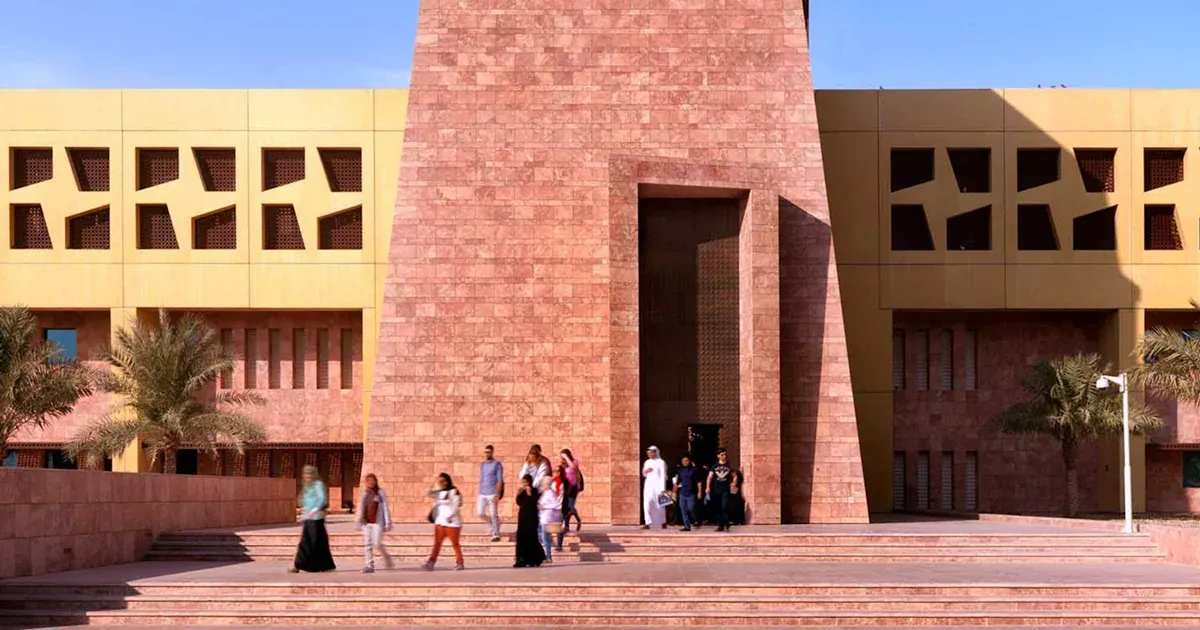
The institutions at risk were not military bases. American-linked campuses in Qatar, the United Arab Emirates and elsewhere are symbols of U.S. soft power, research ties and elite education. That symbolism does not make them lawful or acceptable military targets. Treating classrooms and dormitories as strategic assets raises immediate legal, moral and diplomatic alarms.
The practical response is also different from a battlefield alert. Universities have to decide whether to move classes online, restrict access, update emergency contacts, coordinate with embassies and tell students where they should and should not go. Families need plain instructions, not political language that leaves basic safety questions unanswered.
The Threat Works Even Without a Strike
A campus warning can cause damage before any missile is fired. It can empty classrooms, interrupt research, scare international students away from the region and force host governments to show whether they can protect foreign institutions on their soil. That psychological pressure is part of the tactic.
The propaganda value is obvious. By naming American-linked campuses, the IRGC could signal reach, create headlines and make civilian institutions feel exposed. That does not mean every warning should be inflated into proof of imminent violence. It means officials have to separate capability, intent and messaging while still protecting the people who might be in harm's way.
Verification Is Part of Security
The reporting standard should be strict. A warning carried by official or state-linked channels deserves attention, but language must not run beyond the evidence. The safest public framing is that the threat was reported, the affected campuses were reviewing precautions, and warning, planning and attack should not be collapsed into one certainty.
For universities, trust becomes part of security. Vague updates create rumor. Dramatic updates create panic. Clear thresholds, verified information and practical instructions are the only defensible path when students and staff are being asked to change routines during a war scare.
The harder lesson is that escalation no longer stays neatly around military sites. Once civilian campuses enter the warning environment, the conflict has moved into a more volatile phase. Governments may still talk about deterrence and retaliation, but students hear a simpler message: the places where they study, sleep and work may no longer feel outside the battlefield. That is exactly why the threat should be treated seriously without exaggerating what has been proven.