Israel's March 30 strike claim was easy to read as a scoreboard. The IDF said it had hit 170 targets over the previous day, a figure that signaled reach, intelligence access and continued tempo deep inside Iran. But the number mattered most because of what had already happened before it.
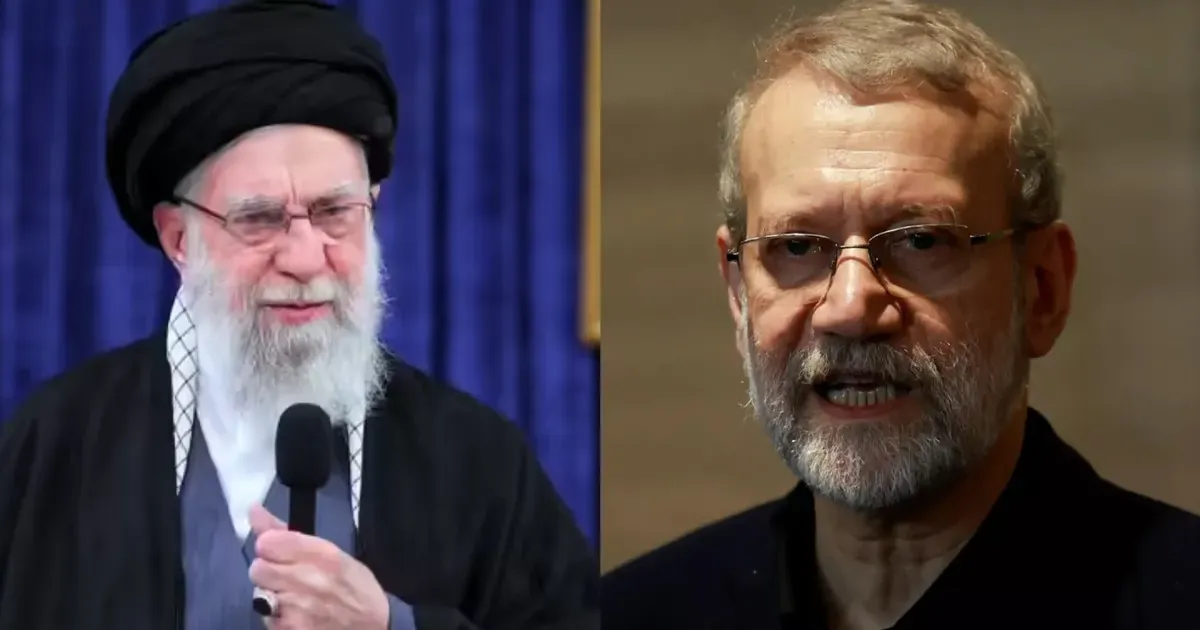
By that point, the war was no longer a conventional exchange of strikes around nuclear and missile sites. Supreme Leader Ali Khamenei had been killed at the start of the war on February 28, and Ali Larijani had been killed on March 17. Those deaths turned every later Israeli strike into a test of Iran's succession system, not just its air defenses.
The Date Line Changes The Meaning
The old version of this story treated the 170-target wave as if it belonged to the same moment as the leadership killings. That weakens the analysis. March 30 was not the day the regime first lost its senior figures. It was a later pressure point, arriving after Iran had already absorbed command shock and begun trying to prove continuity.
The sequence matters because regimes under succession stress respond differently from regimes operating under normal hierarchy. A strike on a missile store or command node can be militarily useful, but after a supreme leader's death it also becomes a political humiliation the new leadership must explain to elites, security services and the public.
Target Count Is Not Strategic Control
A large target count can show that Israel has mapped parts of Iran's military system and can keep hitting them. It does not prove that Israel controls the direction of the war. Operational tempo and political outcome are different tests.
Israel can damage launchers, depots, air-defense nodes and command facilities while still pushing Tehran toward retaliation. The campaign's strategic value depends on whether each strike reduces Iran's usable capacity faster than it increases Iran's need to answer. That equation is harder after leadership deaths, because silence can look like weakness inside the regime.
Khamenei's Death Created A Legitimacy Shock
Khamenei's role was not just administrative. The supreme leader sat above Iran's elected institutions, security agencies and clerical politics. His death forced the system to defend two claims at once: that the state could survive decapitation and that the successor could command obedience during war.
The March 30 strike wave carried more weight than a normal military update. It hit a state already trying to stage continuity. If the new leadership looked passive, it risked inviting internal pressure. If it answered too aggressively, it risked pulling Iran into a wider and more expensive fight.
Larijani's Killing Narrowed The Bench
Larijani's death added a second layer. He was not just another official in the casualty list. As a senior security figure and veteran power broker, he represented institutional memory at a moment when Iran needed experienced intermediaries between the clerical system, military networks and diplomatic channels.
Removing figures like that can disrupt coordination, but it can also empower harder voices. A leadership circle that has lost moderating or managerial figures may become less able to separate symbolic retaliation from useful retaliation. Tactical success can create a strategic trap at this point.
Hormuz Gives Iran A Different Kind Of Leverage
Iran does not have to match Israel strike for strike to create regional pain. It can pressure shipping, fire drones and missiles through direct or allied channels, use cyber tools, threaten Gulf bases, or make insurers and traders price the Strait of Hormuz as unstable. The economic effect can travel faster than the military damage.
The same leverage is dangerous for Iran. Escalation around Hormuz can raise oil prices and frighten adversaries, but it can also harden international support for more strikes. A leadership under pressure may reach for the tool that gets attention fastest, even if that tool invites a broader coalition response.
Allies Read The Same Strike Differently
For Israel's supporters, 170 targets suggested persistence and intelligence depth. For regional governments, the same figure raised a more anxious question: whether the campaign was moving toward a manageable military degradation effort or an open-ended decapitation war with no clean stopping point.
Gulf states, European governments and Asian energy importers do not measure the war only by destroyed sites. They measure it by shipping risk, refugee pressure, fuel costs, domestic political backlash and the chance that U.S. forces are pulled deeper into the fight. A successful strike wave can still make allied governments more nervous.
The Exit Problem Got Harder
The central issue after March 30 was not whether Israel could keep hitting Iran. The evidence showed it could. The unresolved question was what kind of Iranian behavior would be enough for Israel and the United States to stop, and what kind of retaliation Iran's new leadership believed it needed to survive.
The 170-target headline contains that trap. The figure shows tactical reach, but it does not settle the war's political problem. After Khamenei and Larijani, Iran's leadership had less room to look restrained. Israel had less reason to believe pressure was failing. Markets had less ability to ignore each new round. The result was a conflict where every visible success made the next decision more dangerous.