Israeli strikes in southern Lebanon and Iranian retaliation against U.S. positions have pushed the regional crisis into a more dangerous phase. The fighting now spans Lebanon, the Gulf and the Strait of Hormuz, leaving diplomats with fewer clear paths to slow the escalation.
The latest operations on May 28, 2026, coincided with Eid al-Adha, intensifying civilian fear in southern Lebanon as residents fled areas around Tyre. Local medical teams reported at least 16 deaths, while rescue workers continued searching damaged districts.
Tyre Comes Under Heavy Fire
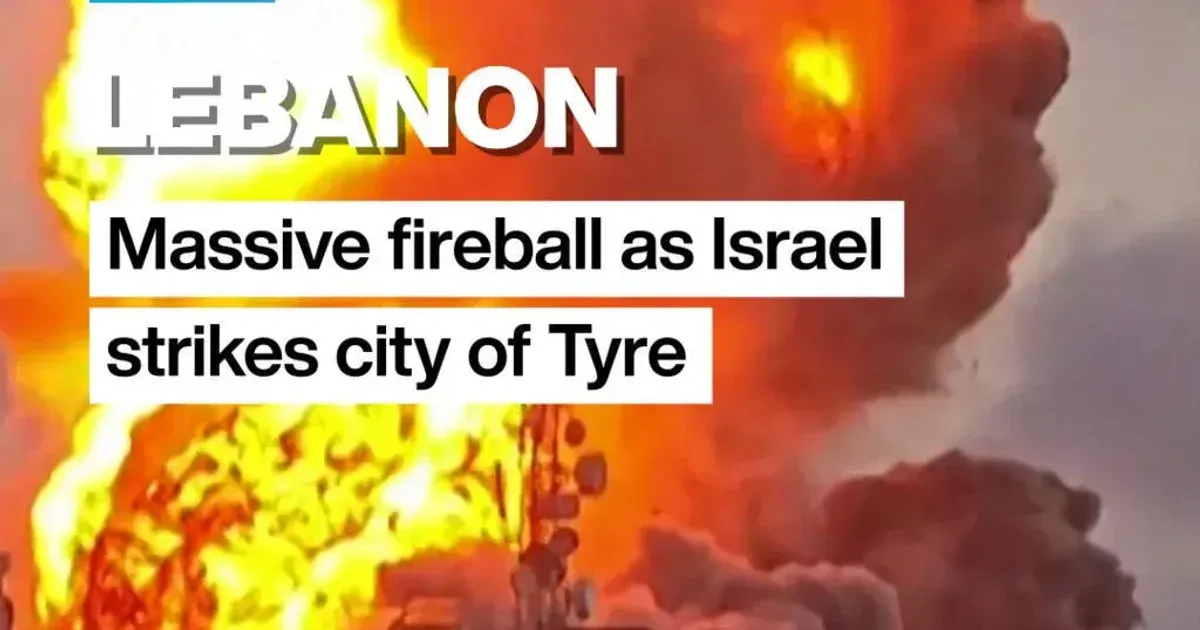
Witnesses described a large fireball and heavy smoke rising over the coastal city after Israeli strikes. Israel said it was targeting military infrastructure, but officials had not publicly detailed every target inside or near the urban area.
Evacuation orders preceded some of the bombardment, yet aid groups warned that movement was difficult because roads were crowded, fuel was limited and medical facilities were already under strain.
The Lebanese Red Cross warned that emergency teams were still receiving reports of missing people in damaged areas.
Iran and the U.S. Trade Direct Fire
The crisis widened as U.S. forces struck Iranian drone-related facilities near the Strait of Hormuz. Pentagon officials described the action as defensive and said the sites posed a threat to commercial shipping and U.S. assets.
Iran responded by targeting an American base in Kuwait, according to regional military sources. Initial accounts said the projectile was intercepted or landed near the facility, and Kuwaiti authorities had not released a full damage assessment.
Hormuz Diplomacy Faces a Breakdown
The exchange has put maritime diplomacy under severe pressure. A proposed Hormuz framework had been discussed as a way to keep shipping lanes open, but the latest strikes have made compromise harder for both Washington and Tehran.
Oil traders reacted quickly because even limited fighting around the Gulf can affect insurance costs, tanker routing and expectations for energy supply. The risk is less a single disruption than a repeated pattern of attacks and counterattacks.
Regional Security Risks
The most dangerous feature of the moment is the number of fronts moving at once. Israel is operating in Lebanon, the United States is striking Iranian-linked sites, and Iran is showing a willingness to threaten U.S. assets more directly.
That does not make a full regional war inevitable, but it does increase the chance of miscalculation. A damaged base, a civilian casualty surge or a mistaken reading of military intent could quickly overwhelm the remaining diplomatic channels.
For mediators, the immediate goal is modest: restore communication, protect civilians and prevent the Strait of Hormuz from becoming a sustained battlefield. Without that floor, every new strike will make the next round harder to contain.
The Lebanon front adds a humanitarian layer that cannot be separated from the strategic crisis. Families leaving Tyre during a religious holiday are not making abstract calculations about deterrence; they are trying to find safe roads, medical care and reliable information while strikes continue nearby.
Kuwait's role is also sensitive. A missile or projectile near a U.S. base can pull a host country deeper into a confrontation even if its leaders do not want escalation. That is why damage assessments, interception details and official language will matter in the hours after the incident.
Energy markets will keep reacting to both facts and fear. Traders do not need the Strait of Hormuz to close before they price risk into shipping and oil contracts. Repeated military incidents near the corridor can be enough to raise costs and pressure governments to secure alternative routes.
The crisis is moving on two clocks at once: civilians and first responders need immediate protection, while diplomats need time to rebuild communication between governments trading direct military signals. The practical measures of control are whether evacuation routes remain open in Lebanon, Kuwait reports further incidents near U.S. facilities and Hormuz shipping continues without emergency restrictions. If those indicators worsen, the conflict will shape civilian movement and commercial planning far beyond the strike zones. Lebanese authorities will also face a growing humanitarian burden as displacement, hospital capacity and road access deteriorate while regional retaliation draws attention away from local relief.