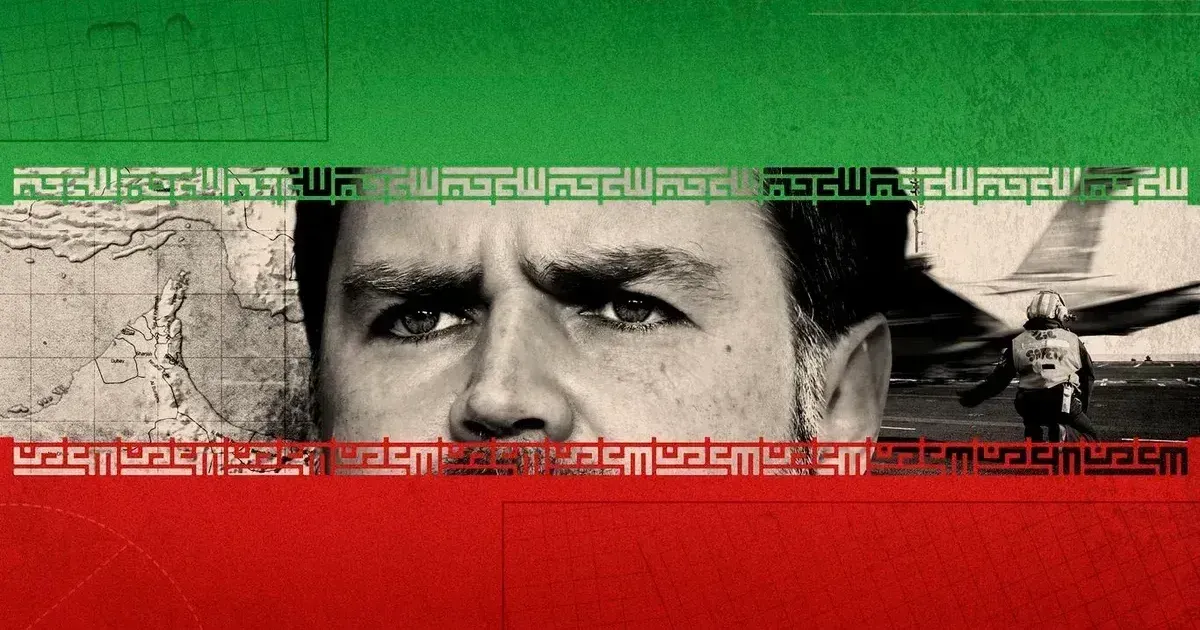
Israel vowed to expand military operations against Iran even as Donald Trump extended a pause on US strikes against Iranian energy infrastructure. The split between Israeli escalation and American delay has made the conflict harder for allies and markets to read.
The March 27, 2026 development came as Secretary of State Marco Rubio faced G7 skepticism and Vice President JD Vance worked a diplomatic channel. Oil markets remained sensitive to every signal, with broader concern already visible in global energy markets.
Israel Keeps Military Pressure On
Israel Katz's message was direct: Israel does not view the US pause as a reason to stop its own campaign. Israeli officials argue that Iranian military capacity and proxy networks remain an immediate security threat.
That posture creates a coordination problem. If Israel expands strikes while Washington is trying to preserve diplomatic space, Tehran may doubt that any US-led pause offers real protection.
US Diplomacy Faces Allied Doubt
Rubio's G7 meetings showed that allies want more clarity on the endgame. European governments are worried about energy disruption, civilian harm, and the risk that limited strikes become a wider regional war. The administration's own messaging is complicated by the role of JD Vance as negotiator.
Vance may have credibility with skeptics of open-ended war, but that same profile can make hawks nervous. The White House is trying to combine pressure and restraint, a strategy that works only if both signals are believed.
Iran Watches for Division
Iranian officials and mediators are likely reading the gap between Washington and Jerusalem carefully. If Tehran sees division, it may hold out for better terms. If it sees coordination behind the scenes, it may treat the pause as a final warning.
That uncertainty is dangerous because military and diplomatic clocks are moving at different speeds. Strikes can change the facts on the ground faster than negotiators can build a framework.
The G7 skepticism matters because allies are exposed to the costs of escalation even when they are not driving the military timeline. European governments face energy prices, refugee concerns, and domestic pressure for ceasefire language. Their patience is not unlimited. Israel's calculation is different. Its leaders are focused on degrading Iranian capabilities and may see delay as risk.
That divergence does not mean the US-Israel relationship is breaking, but it does mean tactical priorities are no longer perfectly aligned. For Vance, the negotiation challenge is credibility with both sides. Tehran must believe he can deliver restraint, while Israel and US hawks must believe he will not trade away security. That is a narrow and unstable lane. Markets will keep reacting to the gap between words and actions.
A US pause can calm traders only if Israeli operations do not expand enough to trigger Iranian retaliation. If the military track keeps accelerating, the diplomatic track may lose credibility before Vance can test it. The humanitarian dimension also matters for allied support. Civilian harm in Iran, proxy activity, and energy disruption all shape how long partners will tolerate ambiguity.
A strategy that looks clever in Washington can look incoherent to allies managing domestic pressure. The split between Israeli action and US restraint also complicates deterrence. If Iran believes Israel will strike regardless of Washington's pause, it may see little reason to reward American diplomacy. If Israel believes diplomacy is slowing necessary military action, it may accelerate operations before talks narrow its options. That feedback loop can shrink the space for compromise even when all sides publicly say they want to avoid a wider war. Allies will also watch whether Washington can enforce its own sequencing. A pause that is contradicted by allied strikes may look less like strategy and more like drift. Tehran can exploit that ambiguity by negotiating slowly while testing how much daylight exists between the United States and Israel. Rubio's allied meetings and Vance's mediation track also have different audiences. Allies want predictability, energy stability, and a credible endgame. Domestic supporters want proof that the administration is neither drifting into war nor surrendering leverage. Israel wants freedom to act against what it sees as immediate threats. Holding those audiences together requires clearer sequencing than the current public signals provide. This is why allied messaging matters. A pause, an escalation threat, and a mediation channel can coexist only if they are clearly sequenced. Without that clarity, every actor may assume the others are buying time for a different objective. That confusion can become its own escalation risk during an already volatile conflict. The US pause may reduce immediate economic risk, but Israel's vow to continue attacks limits the diplomatic space it creates. The next phase depends on whether Washington can keep allies aligned while giving negotiations enough time to matter.