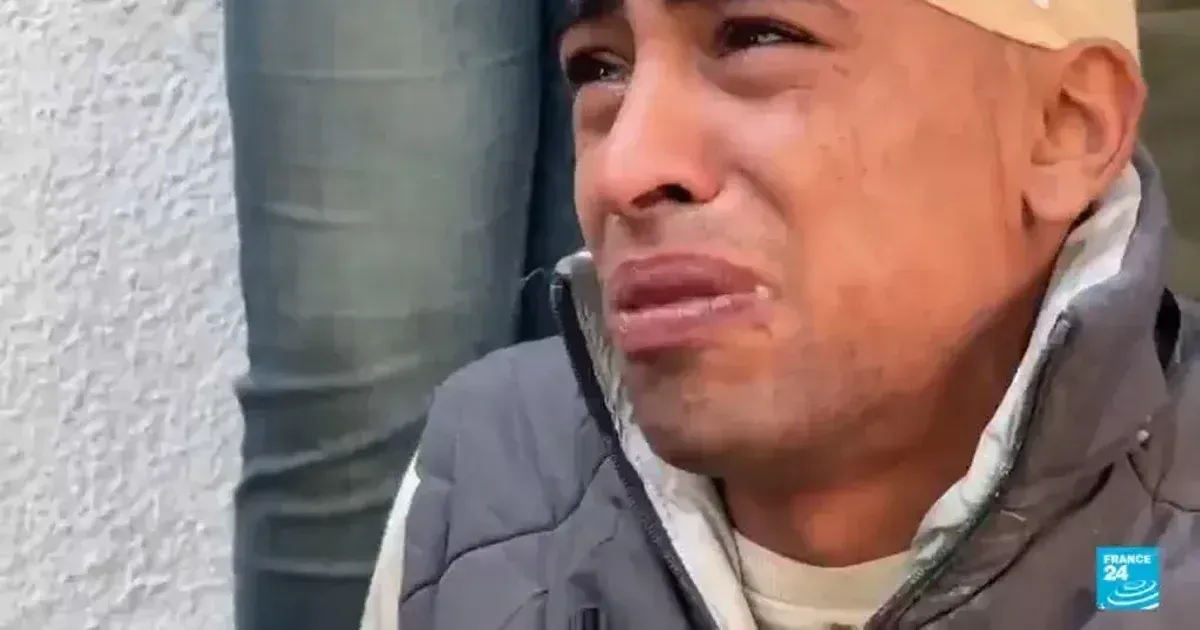
Israeli strikes killed at least nine Palestinians in Gaza City overnight, according to Shifa Hospital, which received the bodies. The strike pattern left families and rescue workers trying to understand whether the attacks were part of a broader overnight campaign. The hospital reported the deaths on June 4, 2026, and said two women and two children were among those killed, making the civilian toll central to the first confirmed account.
The nine people were killed in at least four separate strikes across the city, a pattern that made it difficult for emergency crews to concentrate personnel and equipment at one site. Each location required separate recovery work, hospital transport and family notification. Footage from one strike showed severe damage to what appeared to be a residential apartment building, with a large hole torn through an upper floor and debris scattered through the rooms and street below as neighbors rushed toward the scene before dawn Thursday.
The strikes came as attention across the region was also focused on fighting between Israel and Hezbollah in Lebanon. That wider conflict context matters because Gaza casualties can be overshadowed when parallel fronts dominate diplomatic and media attention. For Palestinians in Gaza City, however, the overnight attacks reinforced the sense that the conflict remains active even when diplomacy elsewhere draws more international focus.
Residential Damage Across Gaza City
Residents and rescue workers moved through damaged buildings after the blasts, searching for survivors and recovering bodies from apartments hit during the night. Shifa Hospital’s casualty count provided the clearest confirmed figure in the immediate aftermath, though recovery work continued as families gathered for information.
Residential buildings in Gaza City often house extended families in dense urban blocks, which makes even targeted strikes likely to produce civilian casualties. Apartment blocks also leave little time or space for residents to move when strikes arrive at night, especially when families include children, older relatives or people already displaced from other areas. The latest attacks damaged homes and personal belongings, adding to the strain on neighborhoods already living with repeated displacement, shortages and limited emergency capacity.
Witness accounts described family members mourning at the hospital as bodies arrived. One relative quoted by AP said the war had not stopped, a statement that captured the gap between outside attention and conditions facing residents still exposed to airstrikes. The remark also reflected a broader frustration among families who see brief lulls in fighting followed by new strikes.
Hospitals Track the Casualties
Shifa Hospital said the dead included women and children. The hospital’s report did not identify all of the victims publicly in the first hours after the strikes, and officials continued to process information from multiple impact sites. Medical staff in Gaza have repeatedly warned that limited supplies and damaged infrastructure make each new casualty surge harder to absorb. Shifa Hospital has remained a central receiving point for victims in Gaza City, so its figures are often used as the first stable count while rescue work continues.
The Israeli military did not immediately provide a detailed public explanation for each Gaza City strike in the initial reports. Israel generally says it targets militants and military infrastructure, while Palestinian health officials and residents point to the repeated civilian toll in dense neighborhoods. That gap between military explanations and hospital casualty counts has defined much of the outside debate over the Gaza campaign. It also leaves families and medical workers carrying the immediate burden of documenting who was killed before broader political arguments catch up to the facts on the ground.
The casualty figure reported by Shifa Hospital differed from some early local claims circulating after the strikes. Higher figures in secondary reports remained unconfirmed.
The latest toll does not settle broader questions about responsibility or strategy. It shows why casualty reports from Gaza City continue to shape international reaction even when the confirmed number is lower than initial local claims. The verified hospital count still described a deadly night for civilians in residential areas and showed how quickly overnight strikes can reshape the political and humanitarian debate around Gaza.