Salt Spray and Aviation History on the Gastineau Channel
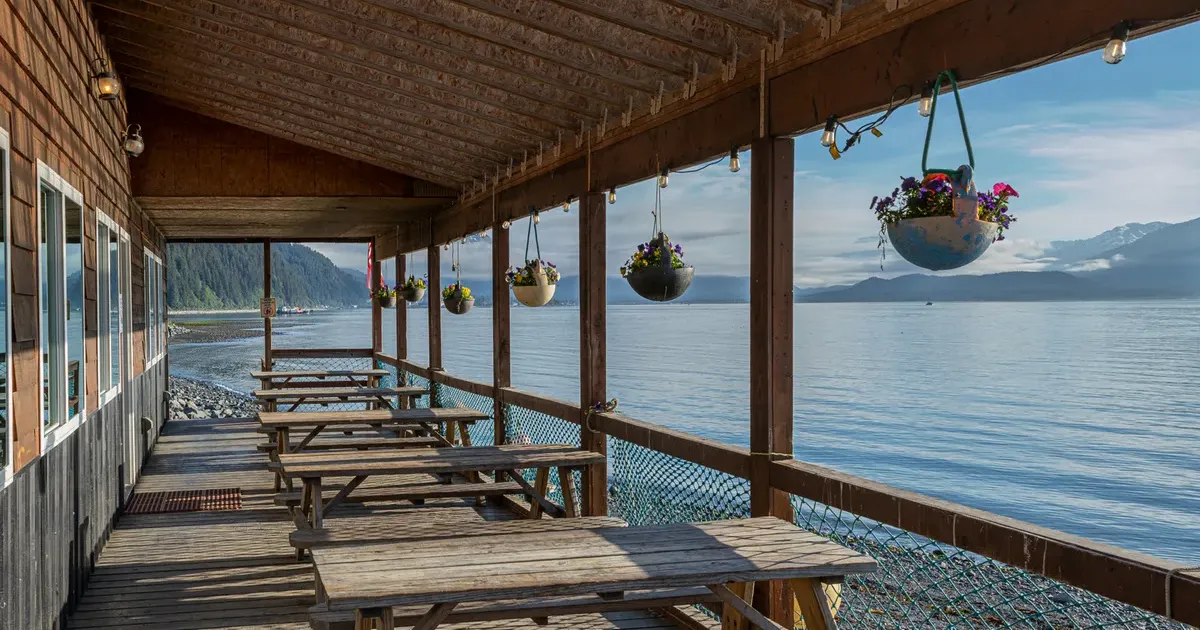
Juneau, Alaska, 2026. Salt spray and the distant drone of a de Havilland Beaver define the sensory experience of the Gastineau Channel. On the edge of the water, a massive wooden structure stands as a monument to the era when aviation was the only lifeline for the Alaskan Panhandle. Known today as The Hangar on the Wharf, the site began its life in the 1940s as the base for Alaska Coastal Airlines. Heavy timber beams and grease-stained floors once hosted the mechanics who kept floatplanes operational during the harshest North Pacific winters. Today, those same beams frame a panoramic view of the harbor where diners consume some of the most meticulously sourced seafood in the United States.
Aviation heritage is not merely a theme here but the literal foundation of the establishment. Walking through the entrance feels like stepping into a transitional space between the industrial past and a modern culinary focus. Pilots used to roll their aircraft directly onto the floor where tables now sit. Large windows provide a constant visual connection to the active waterway. Seaplanes still lift off and descend just yards from the outdoor decking, creating a rhythmic pulse that reminds visitors why this city remains disconnected from the traditional North American road system.
Freshness in Juneau is a matter of geography rather than marketing. Because the city is surrounded by the Tongass National Forest and the waters of the Inside Passage, the supply chain for local fish is remarkably short. Alaska law prohibits finfish farming, ensuring that every piece of salmon or halibut served has spent its life in the wild. State regulators manage these fisheries with a rigueur that many global markets lack. Success for a coastal restaurant in this environment depends entirely on relationships with the small-boat fleet that docks within walking distance of the kitchen.
The Biology and Economics of the Alaskan Halibut
Critics often describe the Pacific halibut as the king of whitefish. Harvesting these giants requires managing the unpredictable currents of the Gulf of Alaska. The Hangar on the Wharf focuses heavily on this species, serving it in preparations that range from panko-crusted fillets to sophisticated lemon-butter sautés. Cold water temperatures in the North Pacific lead to a firm, lean muscle structure that is difficult to replicate in southern latitudes. While many restaurants in the lower 48 states rely on frozen shipments, the proximity of the Juneau fleet allows for a literal boat-to-table transition within hours.
Halibut prices in 2026 reflect the complexities of sustainable management. Strict quotas ensure that the population remains strong, yet these limits also drive up the wholesale cost for premium cuts. Despite the financial pressure, the kitchen maintains a commitment to thick-cut portions that satisfy both local miners and international tourists. Local diners frequently occupy the bar stools, seeking the familiarity of a cold Alaskan brew and a plate of fish that they know was swimming only yesterday. This commitment to volume and quality creates a unique social environment where different classes of travelers converge over shared plates of Dungeness crab.
The logistics of Panhandle dining remain a miracle of modern coordination.
Alaska Coastal Airlines left behind not merely a building. It left a culture of resilience that informs how the restaurant operates during the peak summer months. Every summer, Juneau sees a massive influx of cruise ship passengers, often numbering in the tens of thousands per day. Such a surge could easily turn a historic site into a generic tourist trap. Yet, the Hangar avoids this fate by maintaining a menu that appeals to the year-round residents who keep the city functioning during the dark, frozen winters. Salmon remains a staple, with Sockeye and King varieties appearing as the runs progress through the season.
Preserving Industrial Aesthetics in a Modern Market
Designers of the space chose to highlight the utilitarian nature of the original hangar. Exposed ductwork and massive iron bolts remain visible, contrasting with the polished wood of the bar. Such an aesthetic choice honors the labor-intensive history of the wharf. This industrial-chic aesthetic has become popular in urban centers like Seattle or New York, but here, it feels earned rather than curated. The smell of the ocean is constant, leaking through the heavy doors and mixing with the aroma of cedar-planked salmon. Visitors often find themselves lingering long after their meal, watching the tide move against the pilings.
Tourism dynamics in Juneau are shifting toward more authentic, experience-based travel. Modern travelers increasingly reject the pre-packaged excursions offered by large cruise lines, preferring to find their own path to local secrets. While the Hangar is widely known, its scale and history give it the feel of a discovered treasure. Success in this niche requires a delicate balance between efficiency and hospitality. Staff members often share stories about the old airline or point out the specific mountains visible across the channel, grounding the meal in a specific sense of place.
Authenticity in the 49th state requires not merely a view.
Sustainability serves as the quiet backbone of the entire operation. This philosophy is baked into the Alaska Constitution, which mandates that all natural resources, including fish, be used and developed on the sustained yield principle. When a diner orders the catch of the day, they are participating in a system that has been hailed as a global model for environmental stewardship. Such a system prevents the boom-and-bust cycles that have devastated fisheries in the Atlantic. Such a legacy of protection ensures that the Gastineau Channel remains a productive ecosystem for generations to come.
The Elite Tribune Perspective
Does the term "hidden gem" still hold any weight when a restaurant occupies a massive, historic hangar on a primary tourist thoroughfare? Luxury travel discourse is currently obsessed with the idea of the undiscovered, yet the Hangar on the Wharf proves that visibility does not equate to a loss of soul. Many critics argue that high-volume establishments inevitably succumb to the lowest common denominator, trading quality for speed. That cynicism fails to account for the sheer excellence of Alaskan sourcing. In Juneau, the barrier to entry for great seafood is so low that a restaurant cannot hide behind fancy plating if the fish is not impeccable. We should stop pretending that exclusivity is a prerequisite for greatness. The real investigative story here is not that a restaurant exists in an old plane hangar, but that it manages to resist the gravitational pull of mediocrity despite being the most obvious choice in town. Most establishments in its position would have long ago switched to frozen commodity cod and cheap tartar sauce. By sticking to wild-caught halibut and sockeye, the Hangar remains a rebuke to the cheapening of the American travel experience. It is a loud, busy, and unpretentious temple to the only thing that matters in the North: the resource.