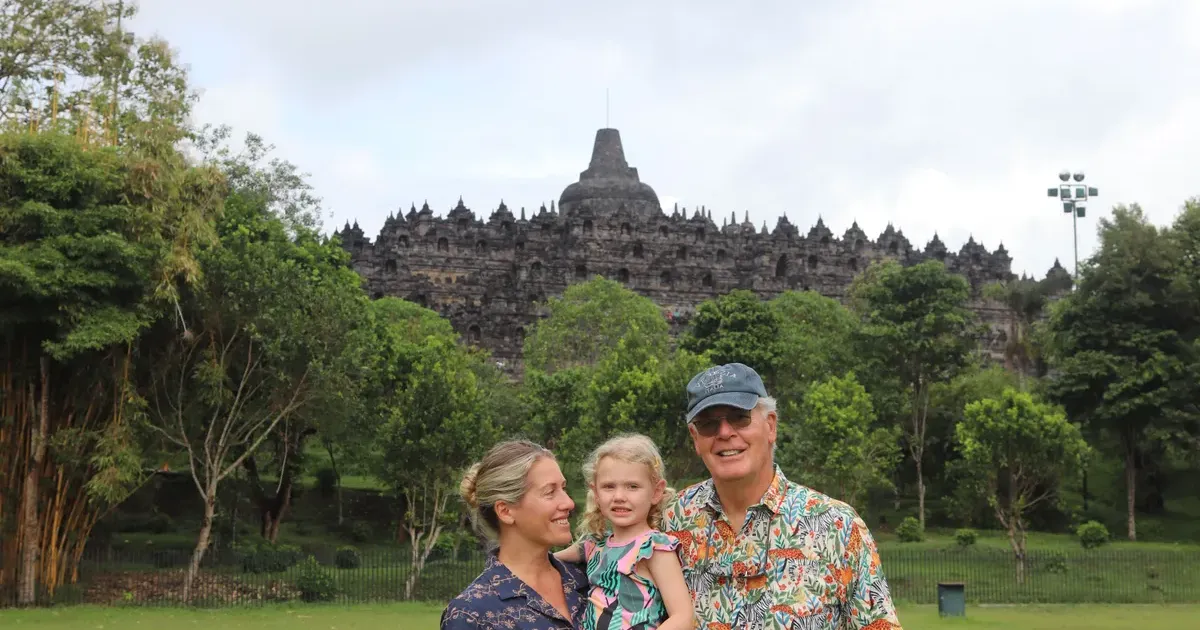
Kathryn Romeyn's Indonesia trip with her father makes a travel point that families often learn late: mobility limits do not end adventure, but they do change the contract. A trip that once could be built around stamina, spontaneity and long days has to become more deliberate. The goal is not to remove beauty or surprise. It is to keep those things possible without pretending the body has not changed.
The shift is emotional as much as logistical. Adult children may find themselves acting as planners, advocates and quiet caregivers. Older parents may want help without wanting to feel managed. A good itinerary has to protect both safety and dignity. It should make room for rest without making the traveler feel like the reason everyone else has slowed down.
Indonesia Rewards Better Questions
Indonesia can be generous and physically demanding at the same time. Beaches, temple steps, boat transfers, wet stone, uneven paths, heat, long drives and hillside hotels can turn a dream itinerary into a balance test. None of that makes the country off-limits. It does mean travelers need to ask more specific questions before booking.
The questions are practical: how far is the room from the car, whether there are railings, whether the shower is walk-in, how a boat is boarded, how much walking sits between the lobby and the restaurant, and whether a guide can change the plan when fatigue arrives early. These are not fussy details. They decide whether a trip feels graceful or exhausting.
Slow Travel Is Not Lesser Travel
The strongest travel planning for aging parents often involves doing less. Fewer hotel changes. Longer stays. Later starts. More private transfers. One major activity a day instead of three. Doing less can look like compromise from the outside, but it often creates a better trip for everyone.
Slowness gives a place more room to work. A family may remember one unhurried meal, a shaded view, a boat ride timed well or a conversation that would have been lost in a tighter schedule. The measure of success changes from how much was covered to how much was actually experienced without pain, panic or resentment.
Accessible Luxury Needs Accuracy
High-end travel often sells remoteness, drama and design: jungle lodges, cliff villas, beach steps, outdoor showers and hidden paths. Those features photograph well. They can also make a property difficult for a traveler with limited mobility. Luxury does not become accessible just because staff are polite when problems appear.
The market needs better accuracy. Travelers should not have to guess from cropped photos whether a room is reachable without stairs. Operators should be clear about distances, surfaces, transfer methods, bathroom setup and emergency flexibility. Accessibility is not only ramps and elevators. It is truthful information before money changes hands.
Family Travel Has To Preserve Choice
The most humane version of mobility-aware travel gives the older person agency. It lets them decide what to skip, what to attempt and when to stop. It avoids turning every walk into a negotiation or every pause into an apology. That requires planning before the trip and patience during it.
For families, the lesson is direct. Build fewer obligations into the day. Pay for the guide who can adapt. Confirm transfers yourself. Choose lodging for how it works, not only how it looks. Treat rest as part of the itinerary rather than a failure of the itinerary. Aging changes the shape of adventure, but it does not remove the desire for it. The best destinations and operators understand that hospitality is measured most clearly when travel becomes harder.