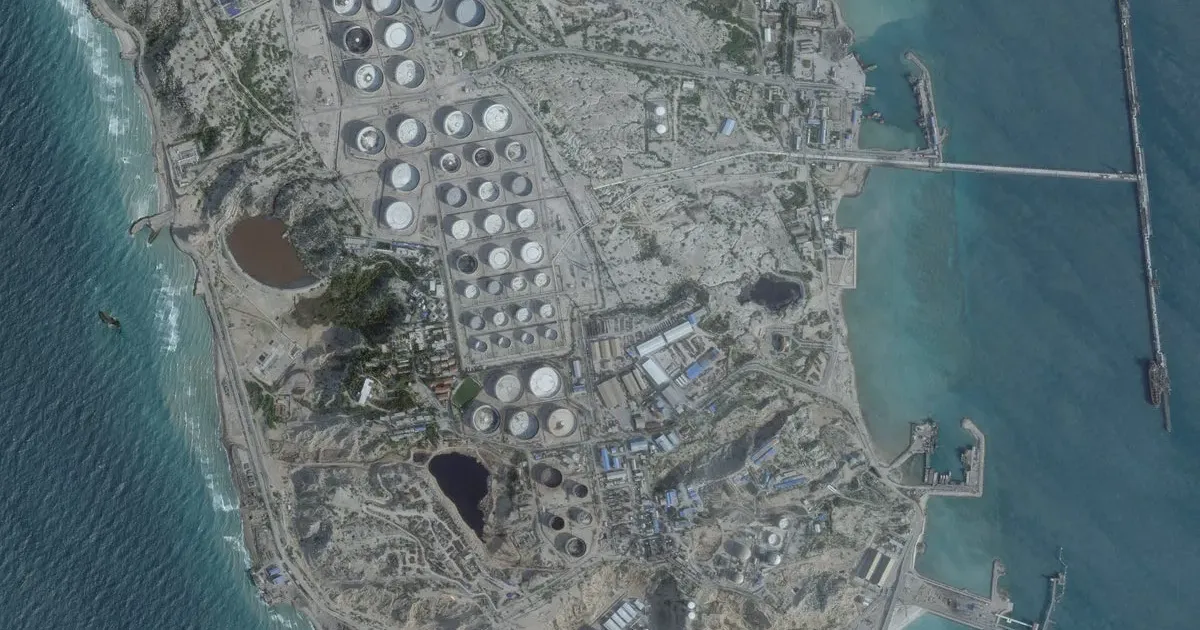
Trump's threats around Kharg Island expose the most dangerous possible turn in the Iran conflict: a shift from protecting shipping lanes to pressuring the infrastructure that funds the Iranian state. Kharg is not a symbolic island. It is central to Iran's crude export system, which makes it both a tempting pressure point and a dangerous fuse.
The July fighting around Hormuz has already included U.S. strikes, Iranian attacks on commercial shipping, regional retaliation fears and fresh market stress. In that environment, talk of seizing or striking a major oil-export hub changes the nature of the campaign. Freedom of navigation is one kind of war aim. Direct pressure on export infrastructure is another. The first can be framed as keeping a global route open. The second starts to look like economic warfare against the regime's core revenue stream.
Kharg Is a Revenue Target, Not a Map Point
Kharg Island matters because it is tied to the flow of Iranian crude into world markets. Threatening it means threatening Tehran's cash, sanctions-evasion space, bargaining leverage and domestic fiscal survival. Its economic importance makes the target attractive to a White House searching for leverage after repeated rounds of strikes and incomplete maritime control.
It is also why the target is so unstable. A state that believes its export lifeline is being put at risk may not respond only at the site of the strike. It may try to raise the cost for Gulf producers, allied facilities, tanker traffic or U.S.-linked shipping. Kharg gives Washington pressure. It also gives Tehran a reason to widen the pressure field.
The Campaign Would Cross a Strategic Threshold
A maritime-security campaign can be limited in theory. The stated purpose is to deter attacks, escort vessels, clear threats and reopen routes. Once oil-export infrastructure becomes the center of gravity, the conflict moves closer to a war over state capacity. That is a more difficult war to end because the opponent is no longer defending only weapons, ships or route claims. It is defending the money that keeps the state functioning.
The shift changes Iran's incentives. If Tehran believes its own exports are being choked or destroyed, restraint becomes harder to justify internally. The regime can argue that regional energy flows should not remain normal while Iranian revenue is under attack. The United States may intend a narrow coercive strike. Iran may read it as an invitation to make the Gulf economy share the pain.
Energy Markets Price the Escalation Before It Happens
Markets do not need a confirmed strike on every facility to move. They price probability. A credible threat to Kharg can raise risk premiums, change tanker behavior, push buyers to seek alternatives, make insurers more cautious and force governments to review reserves. The economic cost begins before the military action.
Oil-infrastructure rhetoric carries this danger. It may sound decisive to a domestic political audience, but traders and shippers hear a supply-chain warning. If the war expands from Hormuz navigation to export hubs, the market no longer has to calculate only whether a tanker can pass the strait. It has to calculate whether the region's energy system is becoming a target set.
Regional Producers Would Hear a Wider Warning
Saudi Arabia, the United Arab Emirates, Kuwait, Qatar and Iraq all have reasons to worry when the conflict shifts toward energy infrastructure. Some have routes that can bypass part of the Hormuz risk. None can fully separate their economies from Gulf security. A strike or seizure threat involving Kharg would push every producer to ask whether its own facilities, pipelines, ports or ships could be pulled into the next exchange.
The regional reaction matters for U.S. diplomacy. Washington needs Gulf partners for basing, intelligence, shipping coordination and political cover. Those partners may support pressure on Iran, but they also fear a conflict that makes their infrastructure a retaliation target. The more Kharg becomes the headline, the harder it becomes to keep allies focused only on navigation security.
Legal and Political Costs Do Not Stay Secondary
Oil infrastructure is not automatically immune from attack in war, but the legal and political standards are much higher than campaign rhetoric admits. Military necessity, proportionality, civilian effects, environmental damage and long-term economic harm all become part of the debate. A strike that looks clean on a target list can create consequences that last far beyond the immediate operation.
The Kharg threat therefore carries reputational risk for Washington. The United States can argue it is trying to restore navigation and force Iran to stop attacking shipping. It will have a harder time holding that frame if the campaign appears to be aimed at crippling export capacity itself. The closer the target sits to civilian economic survival, the more scrutiny follows.
Leverage Can Become the Trap
Kharg Island looks decisive from a distance and messy up close. It offers leverage because it touches Iranian revenue. It creates danger because it may convince Tehran that the conflict has moved from pressure to survival. Those are different wars.
The United States needs leverage, not theater. If Kharg becomes the center of the campaign, Washington must be ready for higher energy prices, wider Gulf vulnerability, allied hesitation and a conflict measured less by destroyed facilities than by how long the world can tolerate a weaponized oil map. A threat aimed at forcing Iran back may instead teach Iran that the only answer is to make everyone else's energy security feel breakable too.