Krispy Kreme Loyalty Programs Drive Growth Through Free Offers
Discover the best ways to secure free donuts at Krispy Kreme using the Hot Light, the 2026 rewards app, and seasonal promotions in this deep dive.
◆
Key Points
☼ AI-Generated Summary
◆The Hot Light remains a primary sensory marketing tool for securing free fresh donuts at participating retail locations.
◆Krispy Kreme Rewards 2.0 offers a free donut sign-up bonus and tiered points for frequent customers.
◆National events like National Donut Day and Halloween provide annual opportunities for no-purchase-necessary freebies.
◆The 2026 McDonald's expansion has introduced Krispy Kreme products to a wider audience through cross-platform digital rewards.
Share
The Mechanics of the Hot Light and Modern Rewards
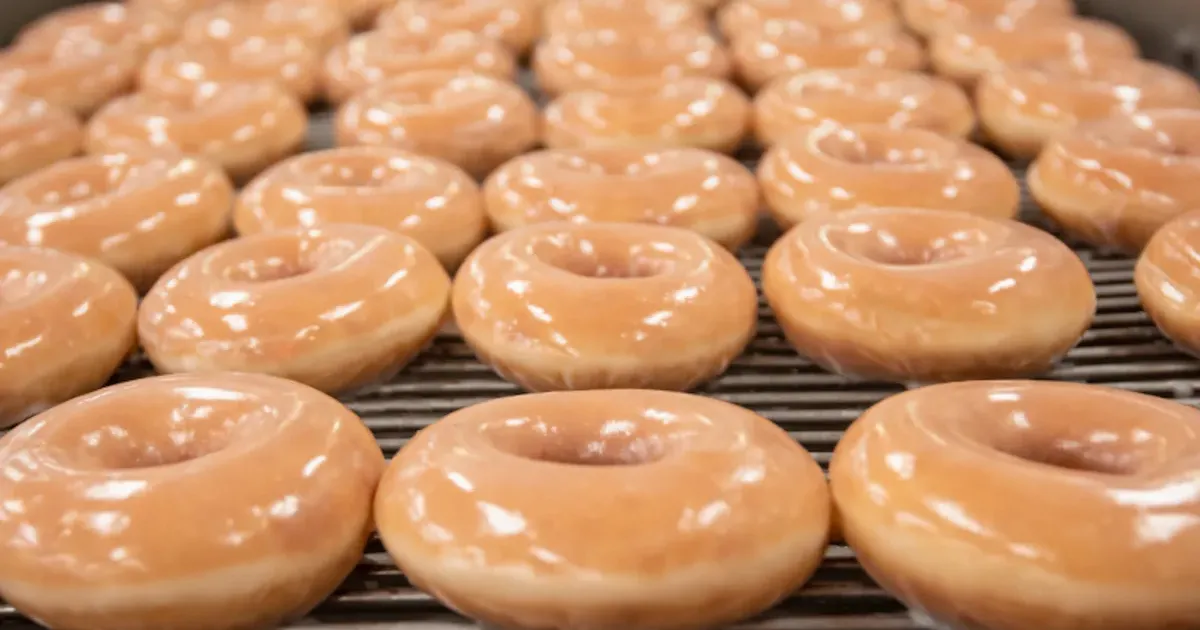
Neon red lights flicker to life in the windows of suburban storefronts across America, signaling a specific ritual in the world of fast food. Customers recognize this signal as an invitation. When that iconic Hot Light glows, it indicates that the production line is active and the Original Glazed donuts are exiting the glaze waterfall at their peak temperature. While many enthusiasts believe the light guarantees a free sample, the official rules vary by location. Most participating shops do indeed offer a complimentary hot donut to customers who enter while the light is on, creating a powerful sensory marketing tool that has endured since the mid-20th century. This signal acts as a siren song for sugar enthusiasts.
A Legacy Built on Secret Recipes and Direct Sales
Vernon Rudolph founded Krispy Kreme in 1937 in Winston-Salem, North Carolina, using a yeast-raised recipe he purchased from a New Orleans chef. Early operations focused on selling donuts to local grocery stores, but the aroma wafting from the bakery drew pedestrians to the door. Rudolph eventually cut a hole in the wall to sell hot donuts directly to people on the sidewalk, establishing the blueprint for the modern retail experience. By 2026, the company expanded this legacy through a massive distribution deal with McDonald's, placing its products in thousands of additional locations. Such a vast network requires sophisticated customer retention strategies to maintain brand dominance against rivals like Dunkin' and Starbucks.
Digital Interfaces and the Evolution of Loyalty
Digital interfaces now serve as the primary gateway for consumers looking to bypass retail prices. The 2024 launch of the Rewards 2.0 system replaced older, punch-card-style mechanics with a tiered point structure. New users who download the mobile app and complete the registration process receive an immediate sign-up bonus in the form of one free Original Glazed donut. This digital transformation allowed the company to track individual preferences with surgical precision. Membership provides access to exclusive windows of opportunity where freebies become more frequent.
The strategy works.
Rewards members earn points for every dollar spent, which they can later redeem for single items, dozens, or specialty coffee drinks. The 2026 data indicates that frequent visitors often accumulate enough credit to secure a dozen donuts for free every four to five visits. Birthday perks remain a cornerstone of the program, with the app automatically depositing a reward for a free dozen or a treat during the user's birth month. Such generosity serves a dual purpose by ensuring the brand remains top-of-mind during celebratory moments when consumers are likely to spend more on additional party supplies.
Economic Logic of the Loss Leader
Financial records show that offering a free donut costs the company very little in raw materials compared to the long-term value of a loyal customer. High-fructose corn syrup, flour, and yeast are inexpensive at the scale Krispy Kreme operates. By giving away a single item, the brand encourages the purchase of a high-margin cup of coffee or a full box of limited-edition varieties. This financial logic ensures that 'free' is never truly free. The cost is absorbed by the marketing budget as a customer acquisition expense. Analysts at market firms note that the lifetime value of an app user exceeds that of a walk-in customer by nearly 30 percent.
Convenience now dictates the terms of engagement.
McDonald's began offering Krispy Kreme products nationwide by the end of 2026, creating a new frontier for free donut promotions. While the Hot Light is exclusive to traditional Krispy Kreme 'Donut Theater' locations, the partnership introduced cross-platform rewards. Users of the McDonald's loyalty app occasionally find 'sweet treat' bonuses that allow them to add a glazed donut to their order at no additional charge. Such a expansion has forced Krispy Kreme to modernize its logistics, ensuring that donuts delivered to golden arches remain fresh enough to compete with those made on-site.
Seasonal Events and Calendar Driven Freebies
Every calendar year contains several fixed dates where the company distributes millions of donuts without charge. National Donut Day, which falls on the first Friday in June, is the most prominent example. During this event, guests can typically claim any donut on the menu for free with no purchase necessary. Halloween provides another opportunity, as the company often rewards customers who visit shops while wearing a costume. In 2026, the brand even introduced a 'Super Tuesday' promotion to encourage voter turnout, offering a free donut to anyone with an 'I Voted' sticker.
Academic Success and Graduation Perks
Promotional cycles also target students and educators through targeted giveaways. Graduation season frequently features a 'Senior Dozen' deal where high school and college graduates can receive a free box of twelve donuts by wearing their cap and gown to a store. That creates a viral social media moment for the brand, as thousands of students post photos of their rewards. Similar promotions have targeted teachers during Educator Appreciation Week and healthcare workers during National Nurses Week. These events build significant brand equity and community goodwill.
Critics of the Sugar Incentive
Critics of the sugar industry contend that these free offers contribute to the rising rates of metabolic disease. A single Original Glazed donut contains 190 calories and 10 grams of sugar, and the 'free' aspect encourages overconsumption. Health advocates argue that the gamification of fast food through loyalty apps creates addictive patterns of behavior. Still, the popularity of these programs suggests that most consumers are willing to trade nutritional concerns for a brief moment of indulgence. Market sentiment remains bullish on the company as it continues to use its 'Hot Light' heritage in an increasingly digital world.
The Elite Tribune Perspective
Charity in the boardroom is a calculation rather than a virtue. Krispy Kreme understands that a single free donut is the most effective psychological hook in the modern food industry. By baiting the hook with the aroma of hot yeast and the glow of a red neon light, the company harvests something far more valuable than the price of a pastry: data. Every 'free' donut claimed through the mobile app provides the company with your location, your purchase frequency, and your flavor preferences. It is a masterful trade of a fifteen-cent ring of dough for a permanent place in your digital life. While the 2026 expansion into McDonald's suggests a brand in its prime, it also reveals a company that can no longer rely on the nostalgia of the local bakery. It must now compete in the ruthless theater of convenience and algorithmic manipulation. You are not the customer in this scenario; you are the product being refined. The next time that Hot Light turns on, remember that you are paying for that sugar with your privacy and your metabolic health. Enjoy the glaze, but do not mistake a corporate incentive for a gift. The house always wins in the end.