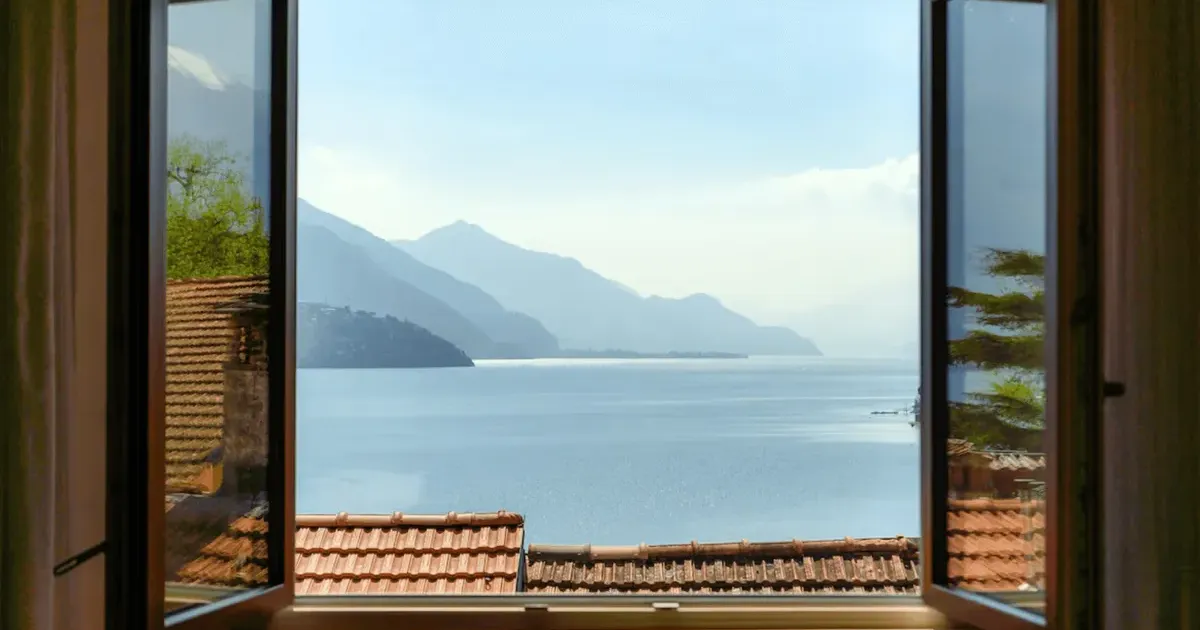
Travelers are increasingly abandoning standardized hotels for unique architectural landmarks in Lake Como and Morocco. High-net-worth individuals prioritize seclusion and aesthetic specificity over the predictable amenities of five-star chains. By March 31, 2026, that shift was visible in the rental demand around Lake Como and Morocco. Elite vacationers now seek residences that offer a distinct sense of place through historical preservation or local artisanal mastery.
Architectural Digest identifies these two regions as the primary centers for design-led hospitality this season. Waterfront villas in northern Italy cater to a desire for cinematic grandeur and celebrity-tier privacy. Moroccan riads offer a sensory immersion in craftsmanship and vibrant color palettes that contrast with the minimalist trends of the previous decade.
Waterfront property values in towns like Bellagio and Menaggio continue to surge as supply stays limited by strict local zoning laws. International investors frequently purchase these century-old estates to convert them into short-term rentals that command five-figure nightly rates. Demand for authentic experiences has pushed the market toward properties that maintain original frescoed ceilings and stone facades. Privacy has become the ultimate currency in the global high-end rental sector.
Waterfront Estates Command Italy Rental Market
Italian villas situated directly on the shore of Lake Como represent the pinnacle of the European summer season. Wealthy families often book these residences six to twelve months in advance to secure specific views of the Grigne mountains. Local property managers report that the inclusion of private docks and vintage Riva speedboats has become a mandatory requirement for top-tier listings.
Renovations within the Italian luxury segment now focus on blending smart home technology with 18th-century masonry. Modern kitchens are often hidden behind ornate wood paneling to preserve the historical integrity of the dining halls. Air conditioning systems must be installed with extreme care to avoid damaging protected structural elements. Rental prices for premium villas in Tremezzina regularly exceed $20,000 per week during peak months. This pricing reflects the scarcity of homes that offer both direct water access and expansive private gardens. Guests pay for the exclusivity of a gated environment where paparazzi cannot easily gain access.
Investors continue to eye the northern reaches of the lake for new acquisitions where prices are slightly more accessible. Varenna and Colico have seen a 15 percent increase in high-end rental registrations over the last year. Ownership groups realize that the celebrity cachet of the region remains a powerful marketing tool for international clients. Bellagio persists as the most requested location despite the increasing congestion of its narrow streets.
Moroccan Design Principles Attract Global Travelers
Across the Mediterranean, the Morocco rental market thrives on a completely different set of aesthetic values. Travelers heading to Marrakech or Fes prioritize the complex detail of zellige tiling and hand-carved cedar wood. Riads, which are traditional houses built around a central courtyard, provide an inward-facing sanctuary that shields guests from the noise of the medina.
Local artisans contribute to the unique identity of each rental property through bespoke furniture and woven textiles. Red and ochre tones dominate the architectural landscape, reflecting the natural pigments of the surrounding desert. Owners of these properties often market them as living galleries where every object tells a story of regional heritage.
Designers emphasize the importance of tadelakt, a waterproof lime plaster that gives Moroccan walls their characteristic smooth and slightly shiny finish. Maintenance of these surfaces requires specialized knowledge passed down through generations of builders. Modern travelers value this connection to ancient techniques as a form of cultural luxury.
Architectural Digest notes that these homes are earthy oases rooted in craftsmanship and color, providing a personality-driven design that modern travelers crave.
Airbnb Portfolio Shifts Toward Architectural Heritage
Global platforms like Airbnb have responded to this shift by curating specific categories for historical and design-centric homes. The company now highlights properties based on their architectural significance rather than just their location or bedroom count. Data from the first-quarter of 2026 shows that listings categorized under design saw 30 percent more engagement than standard listings. Luxury travelers use these filters to find homes that function as destinations in their own right. A secluded villa in Lake Como or a vibrantly colored riad in Marrakech is the primary motivation for the trip. Traditional sightseeing has become secondary to the experience of living within a masterpiece of residential architecture.
Management companies specialize in these high-maintenance properties to ensure that the guest experience matches the visual promise of the listing. High-resolution photography and video tours are essential for justifying the premium price points associated with these homes. Trust in the accuracy of the digital representation is the foundation of the high-end sharing economy.
Concierge services integrated into the rental package now include private chefs, art historians, and local mountain guides. Personalization extends to the smallest details, such as the scent of the candles or the specific brand of espresso provided in the kitchen. Service levels must mirror those of a boutique hotel while maintaining the anonymity of a private home. Market analysts expect the intersection of luxury fashion and vacation rentals to deepen through 2027.
Luxury Rental Capacity
Nineteenth-century aristocrats once hauled steamer trunks across the Alps to reach the same shores now occupied by private equity-funded rentals. This modern iteration of the Grand Tour has shed its educational pretensions in favor of pure aesthetic consumption. The current obsession with architectural heritage is not a revival of culture, but a commodification of it. Investors are not saving these villas for the sake of history; they are refurbishing them as high-yield assets that happen to have frescoes.
Lake Como is rapidly becoming a gated community for the global one percent, effectively pricing out the very local culture that gave the region its charm. The same pattern is visible in Marrakech, where the medina is being hollowed out to create sanitized, Instagram-friendly sanctuaries for Westerners. Local residents are pushed to the periphery while the center becomes a hollow stage set for personality-driven design. True luxury requires not merely a $20,000 weekly price tag and a view of the water. It requires a connection to a living community that is not solely designed to serve the guest. As the market for these elite rentals expands, the actual experience of these places will inevitably degrade into a series of identical, high-resolution snapshots. The future of travel is not about where you go, but about how well the backdrop matches your personal brand. This is the inevitable end of the design-led travel movement.