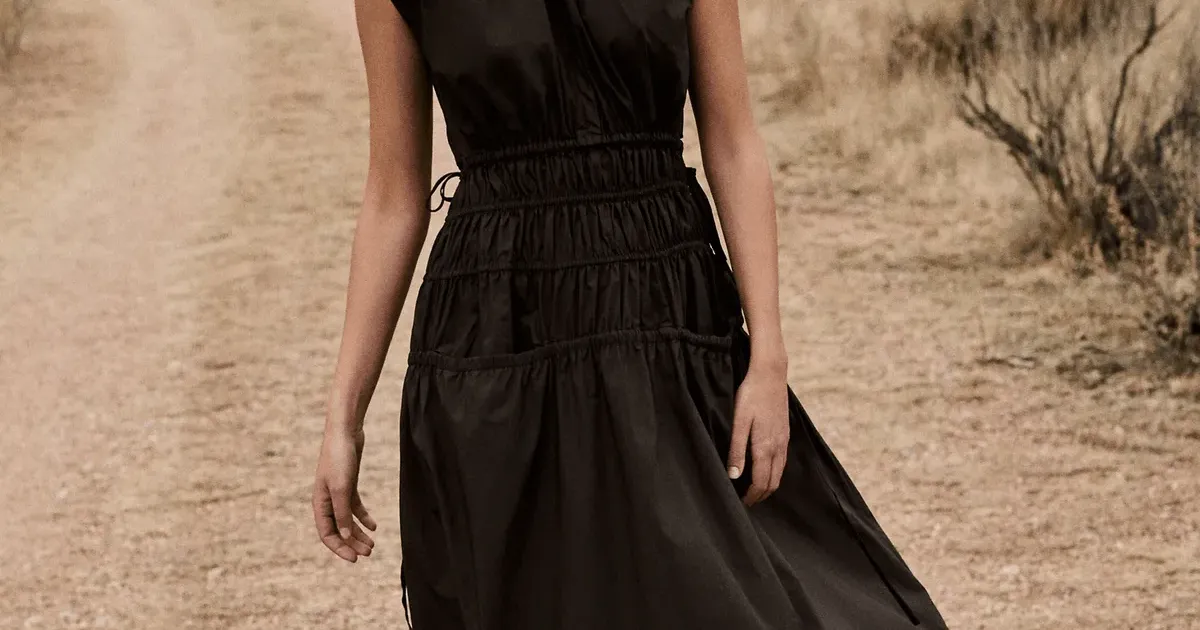
Banana Republic announced its Spring 2026 collection marking a deliberate shift toward elevated utility and premium transitional staples. Designers focused the seasonal rollout on high-quality fabrics and classic silhouettes, aiming to capture a consumer segment increasingly disinterested in fast-fashion cycles. Early lookbooks released to the press reveal a palette of muted neutrals, crisp whites, and deep indigos that define the brand’s aesthetic for the coming months. By March 31, 2026, the rollout had become a test of Banana Republic’s premium reset. Boutique managers in New York and London began receiving initial shipments of the new line during the final week of March.
Retail performance for the parent organization, Gap Inc., depends heavily on the successful reception of these higher-margin products. Market analysts from various financial institutions observed that the brand is attempting to solidify its position in the attainable luxury category, moving away from the heavy discounting strategies of previous decades. Revenue figures from the 2025 fiscal year indicated a growing appetite for durable, versatile clothing that functions across professional and social environments. Most sales projections for the second-quarter now hinge on the sell-through rate of the lightweight outerwear and denim categories.
Banana Republic Renews Spring Outerwear Designs
Transitional outerwear is the structural foundation of the Spring 2026 catalog, featuring car coats and duster jackets in water-resistant cotton blends. These garments use a technical twill weave that provides protection against unpredictable spring precipitation while maintaining a breathable profile for warmer afternoons. Refined tailoring is evident in the inclusion of hidden button plackets and adjustable waist cinches, allowing for a customizable fit. Many of these pieces borrow elements from traditional trench coats but omit the heavy epaulets and belts associated with winter weight garments. Stocking levels at flagship locations suggest a high degree of confidence in these core items.
Lightweight knits provide the essential layering component for the outerwear selection. Fine-gauge merino wool and pima cotton sweaters appear in V-neck and crewneck variations, designed to fit comfortably beneath the structured jackets. Textures vary from smooth, flat-knit finishes to subtle ribbed patterns that add visual depth without adding bulk. Buyers for major department stores noted that the knitwear color story aligns with the broader industry trend of earthy, organic tones. Production of these knits involved sourcing fibers from sustainable suppliers in South America and Italy.
Our design spirit for 2026 prioritizes the longevity of style over the transience of trends, according to a corporate statement issued by the brand communications team at Banana Republic.
White poplin skirts became a surprise highlight during the collection’s internal previews earlier this year. Constructed from high-thread-count cotton, these skirts offer a crisp, architectural volume that contrasts with the softer textures of the spring knits. Design teams opted for midi and maxi lengths, incorporating deep pockets and wide waistbands to enhance functionality. Every skirt undergoes a specific finishing process to ensure the fabric retains its structure after multiple launderings. Several Vogue editors highlighted these pieces as the definitive wardrobe staple for the upcoming transition into summer.
Poplin Skirts and Knits Define Seasonal Transition
Fabric innovation remains a primary focus for the design labs at the company headquarters in San Francisco. Instead of relying on synthetic blends, the Spring 2026 line emphasizes natural fibers that offer superior thermal regulation. Poplin, a plain-weave fabric with a fine horizontal rib, was selected for its durability and resistance to wrinkling. This specific textile choice allows the garments to transition from a morning commute to an evening event without losing their sharp appearance. Rigorous testing phases conducted in late 2025 ensured that the white pigments remained vibrant through various environmental exposures.
Denim strategy for the current season moves toward a more sophisticated, trouser-like execution. Designers moved away from the distressed and heavily washed looks that dominated previous years, favoring clean, raw-inspired finishes. Silhouettes are predominantly straight-leg or wide-leg, mirroring the broader market shift away from skinny fits. High-rise waists and reinforced stitching provide a structural integrity that elevates the denim from casual wear to a viable office alternative. Retail price points for the premium denim line are expected to start at approximately 150 dollars.
Corporate leadership under CEO Richard Dickson has pushed for a more cohesive brand narrative across all product categories. This strategy involves ensuring that a customer can build a complete outfit from a single collection without looking over-styled. Accessories like leather belts and minimalist handbags accompany the clothing launch, using the same tonal palette as the outerwear. Internal documents suggest that the cross-category coordination is part of a larger plan to increase the average transaction value in physical stores. Early feedback from loyalty program members indicates a positive response to the simplified color schemes.
Denim Strategy Focuses on Chic Premium Fits
Premium denim manufacturing for the Spring 2026 season used ozone washing techniques to reduce water consumption. This environmental consideration is increasingly important for the brand’s target demographic, which consists largely of urban professionals in the 30 to 50 age bracket. Factories in Mexico and Vietnam handled the bulk of the denim production, adhering to updated quality control standards implemented in 2024. Finished products feature minimal branding, with leather patches and metal hardware kept subtle to maintain the quiet luxury aesthetic. Inventory management systems show that the straight-leg indigo wash is currently the most requested item by regional distributors.
Cotton production costs fluctuated during the design phase, yet the brand maintained its commitment to high-density poplin for the skirt and shirt categories. Sourcing teams secured long-term contracts with Egyptian and American growers to stabilize the supply-chain against global market volatility. Such logistical foresight allowed the company to keep the final retail prices within the expected range for the Spring 2026 window. However, the costs of high-grade leather for the accessory line saw a marginal increase due to demand in the European market. Management decided to absorb these costs to keep the entry-point pricing competitive.
Footwear options within the new collection include leather loafers and refined sneakers that complement the transitional outerwear. Designers chose tanneries that specialize in soft, pebbled leathers that require minimal break-in time for the wearer. Neutral shades like tan, chocolate, and cream dominate the shoe selection, ensuring compatibility with the navy and charcoal tones found in the apparel. Staff training modules distributed to store associates emphasize the versatility of the footwear for both professional and casual environments. Initial sales data from the online pre-order event shows strong performance in the loafer category.
Spring Retail Signal
Survival in the contemporary retail space requires not merely high-quality cotton. The Banana Republic Spring 2026 collection is a calculated gamble on the endurance of the quiet luxury trend, a movement that prioritizes understated wealth over recognizable logos. By doubling down on expensive fabrics like poplin and high-gauge wool, the brand is essentially daring its customers to value material over branding. It is a dangerous game when the mid-tier luxury market is already crowded with heritage players from Europe who possess a more authentic claim to prestige. Can a brand born in a shopping mall truly compete with houses that have centuries of history?
Questions about the long-term viability of this strategy are warranted. If the economy softens, the first thing consumers will abandon is the 150-dollar pair of jeans that looks strikingly similar to a 60-dollar pair from a competitor. The brand is betting that the discerning eye of the professional class will detect the difference in a twill weave or a hidden placket. It is an elitist approach to mass-market retail, and it risks alienating the very middle-class base that built the company. Efficiency in the supply-chain is impressive, but it cannot manufacture the cultural coolness that the label has lacked for a decade.
Current momentum favors the bold, and Richard Dickson has certainly been bold. The focus on a cohesive, tonal narrative is a sophisticated move that treats the customer with a level of respect often missing from American retail. However, the margin for error is razor-thin. If the Spring 2026 collection does not translate into immediate and sustained sales, the brand may find itself retreating once again to the safety of discount racks and clearance events. That would be a terminal blow to its premium aspirations. The verdict is pending.