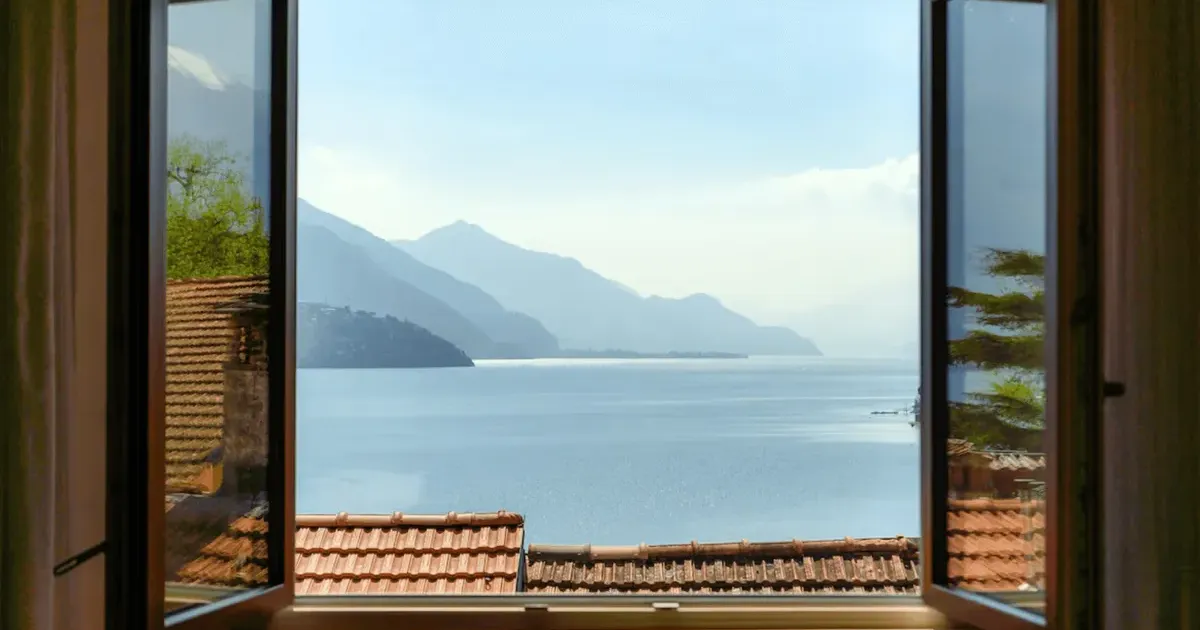
Lake Como villas and Moroccan riads sell a version of luxury travel in which the house is not only where the trip happens. It is part of the reason for going. Recent design-focused rental roundups make the contrast clear: Lake Como leans on view, privacy and old-world villa fantasy; Morocco leans on courtyards, tile, carved surfaces, rooftop rooms and interior drama.
The common thread is design as travel currency. Guests compare more than bedrooms, distance to landmarks or whether a pool is included. They want a place that shapes memory: a terrace over the lake, a shaded riad courtyard, patterned zellige, arched doors, mountain light or a dining space that makes staying in feel as valuable as going out.
Lake Como Sells Controlled Beauty
Lake Como's rental appeal starts with scenery and control. A villa with a dock, garden, private porch or chef support can turn a group trip into a self-contained retreat. The control is valuable in a destination where famous towns, ferries and lakefront paths can become crowded quickly.
The best Como rentals offer a way to enjoy the lake while avoiding some of the pressure that comes with peak-season hotels and day-trip traffic. The appeal is partly visual and partly logistical: fewer strangers, flexible meals, private outdoor space and a setting that already looks like the trip people imagined.
The Villa Can Narrow The Destination
That privacy has a cost. When the most desirable version of a place is experienced behind gates, the local town can become a backdrop. Restaurants, ferries, workers and small businesses support the image, but guests may spend less time understanding the place beyond the view.
Como's challenge is not that villas are wrong. It is that luxury demand can turn a living lake into a private stage. The best rental experience should still push guests toward local restaurants, boats, markets and towns rather than letting the house replace the destination entirely.
Morocco Sells Interior Memory
Moroccan riads work differently. Their drama is often inward-facing: courtyards, tile, plaster, carved wood, patterned floors, filtered light and rooftop terraces. The guest steps from a busy street into a private architecture of shade and texture.
The inward design makes the rental feel less like a neutral container and more like a temporary way of living inside craft. Zellige tile, tadelakt-style surfaces, textiles and layered furniture create a sense of place that a minimalist hotel room often cannot reproduce.
Craft Can Become A Set
The risk in Morocco is a different kind of flattening. A riad can preserve craft, support local makers and keep old buildings economically useful. It can also become a sanitized set built for foreign photographs, with the neighborhood reduced to color and atmosphere.
The difference depends on ownership, staffing, restoration quality and whether guests are connected to a living city rather than insulated from it. Design is strongest when it reveals local skill and daily life, not when it turns them into props.
Design Travel Needs Responsibility
Design-led rentals are strongest when they deepen travel rather than replace it. Lake Como and Morocco show why private homes are winning luxury attention: they offer privacy, architecture and a stronger sense of place than many hotels can provide.
They also show the risk. When architecture becomes content, destinations can be reduced to backdrops. Real luxury should make the place more legible, not less alive.