Pam Bondi began her formal exit from the Department of Justice on April 2, 2026, marking a transition in the legal leadership of the executive branch. Donald Trump designated Todd Blanche as the acting head of the agency while the search for a permanent successor intensifies. Officials confirmed that Bondi is actively assisting Blanche to ensure the continuity of ongoing federal investigations. Internal reports suggest the administration prioritizes a nominee capable of navigating a complex Senate confirmation process. Stability at the top of the law enforcement hierarchy remains a primary concern for West Wing staffers.

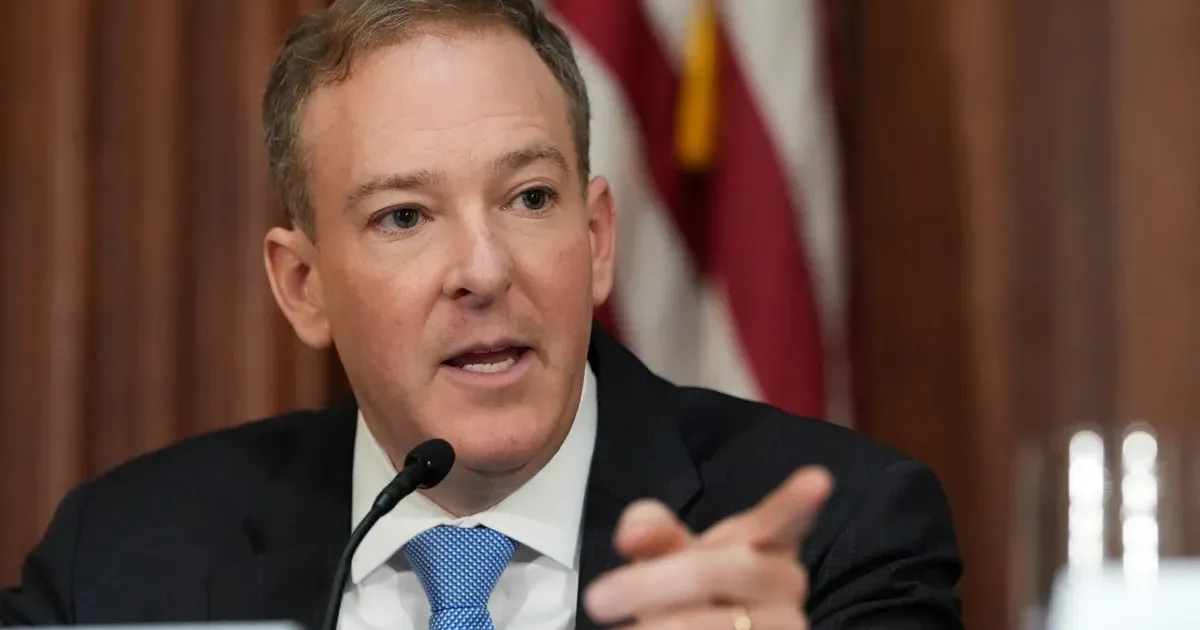
Prediction markets have rapidly identified a clear frontrunner to take the helm of the federal legal apparatus. Investors on platforms like Polymarket shifted serious capital toward Lee Zeldin over the last twenty-four hours. Zeldin previously was the administrator of the Environmental Protection Agency and maintains deep ties to the Republican establishment. His experience as a congressman from New York provides a legislative background that few other potential nominees possess. Speculation regarding his appointment has moved from quiet whispers to public consensus among political gamblers.

Blanche takes control of the agency during a period of heightened scrutiny regarding federal prosecutorial priorities. His tenure as a private defense attorney for the president has drawn both praise from allies and criticism from legislative opponents. Legal experts note that his acting status allows the administration to maintain its current trajectory without an immediate congressional battle. Transition teams are working out of the Main Justice building to finalize the handover of sensitive dockets. Professional staff within the agency has received directives to maintain standard operations during this interim period.

Todd Blanche Assumes Acting Attorney General Role

Career prosecutors at the Justice Department are now reporting to a leader who until recently was a top fixture in the New York legal scene. Blanche earned a reputation for aggressive litigation and careful preparation during high-profile criminal trials. His appointment as acting attorney general provides the White House with a loyalist who understands the specific legal challenges facing the executive branch. Presidential aides believe his familiarity with the president's legal history makes him an ideal steward for the current agenda. He has not publicly commented on whether he seeks the permanent role.

Bondi told reporters that working as the nation's top law enforcement officer under Trump was the honor of a lifetime.

Bondi expressed her gratitude for the opportunity to lead the agency before her abrupt departure became public. She emphasized her commitment to a smooth handover of power to the acting leadership team. Observers noted that her exit appeared organized rather than reactionary, suggesting a planned reshuffle within the cabinet. Her future role in the private-sector or as an outside advisor remains a subject of intense interest in Washington circles. Colleagues describe her as a disciplined administrator who focused on border security and drug interdiction.

White House Press Secretary officials clarified that the search for a permanent replacement is exhaustive. They indicated that the president is reviewing a shortlist of candidates with proven records of executive management. Criteria for the role include a strict adherence to constitutionalist principles and a willingness to reform internal agency protocols. Loyalists within the party are pushing for a nominee who can withstand a hostile media environment. The administration intends to announce a formal pick before the upcoming legislative recess.

Lee Zeldin Emerges as Prediction Market Favorite

Market data suggests that Lee Zeldin holds a commanding lead over other potential candidates in the eyes of bettors. His perceived probability of nomination sits well above 60 percent on major exchange platforms. Political analysts view this as a reflection of his strong performance in previous administrative roles. Zeldin has consistently demonstrated an ability to communicate complex legal and regulatory goals to a broad audience. His supporters argue that his electoral history in a blue state proves his durability under fire. The recent departure of Pam Bondi reflects the administration's broader push to reshape the Department of Justice's leadership.

Other names continue to circulate in the halls of the Capitol as potential alternatives. These include several sitting governors and known conservative jurists with extensive appellate experience. Sources familiar with the process state that the president keeps a wide aperture for the final selection. This flexibility allows the White House to pivot if the political climate shifts during the vetting process. A final decision could hinge on a candidate's specific plan for restructuring the Federal Bureau of Investigation.

Zeldin brings a unique combination of military, legislative, and executive experience to the conversation. His time in the Army Reserve and his service in the House of Representatives provide him with a broad network of contacts. Senators who served alongside him may find it difficult to oppose his nomination on purely partisan grounds. Advisors within the administration see him as a bridge between the populist and traditional wings of the party. He has stayed largely silent on the rumors while continuing his current duties.

White House Evaluates Candidate Loyalty and Credentials

Loyalty remains the most prized currency in the current selection process for the top spot at Justice. The president has made it clear that he expects the next attorney general to follow his policy directives without hesitation. Past tensions with department heads have informed the rigorous vetting standards now in place. Aides are conducting deep dives into the public statements and legal filings of all potential nominees. Every candidate must demonstrate a history of defending the administration's core legal theories.

Legal scholars from the Federalist Society have reportedly been consulted to assess the judicial philosophy of the frontrunners. They advocate for a nominee who will prioritize the deregulation of the administrative state and the protection of executive privilege. Such a candidate would likely face intense questioning from the Senate Judiciary Committee regarding the limits of presidential power. The administration appears ready for a protracted fight to seat its preferred candidate. Staffers have already begun drafting memos to support the eventual nominee's testimony.

Personnel decisions in this administration often bypass traditional bureaucratic channels in favor of direct presidential preference. Trump frequently values televised performance and public advocacy as much as legal pedigree. This dynamic has elevated certain media-savvy figures into the conversation for the attorney general role. Traditionalists in the department worry that this approach could prioritize optics over long-term legal strategy. The tension between these two camps will likely define the final stages of the selection process.

Strategic Shifts in Federal Law Enforcement Priorities

Personnel changes at the top often signal broader shifts in the enforcement priorities of the federal government. A new attorney general will likely revisit existing guidance on civil rights investigations and corporate oversight. Republican donors have expressed a desire for a less adversarial relationship between the Justice Department and the business community. By contrast, there is a push to increase resources for the prosecution of violent crime and organized retail theft. The nominee must balance these competing interests while maintaining the president's focus on immigration.

International law enforcement partnerships also hang in the balance during this transition period. The Department of Justice manages critical relationships with Interpol and foreign justice ministries regarding extradition and cybercrime. Acting Attorney General Blanche has already begun briefings with career staff to manage these global commitments. Diplomats are watching the succession closely to gauge the future of American cooperation on cross-border legal issues. Any perceived instability could embolden foreign actors to challenge American legal reach.

Confirmation hearings will likely serve as a referendum on the administration's broader use of the Justice Department. Opposition leaders have signaled their intent to use the process to scrutinize recent executive orders. This reality makes the choice of a nominee even more critical for the White House. A candidate with a history of bipartisan cooperation could navigate the process more quickly than a firebrand. The administration must decide which type of leader best serves its objectives in the final years of the term.

The Elite Tribune Strategic Analysis

Pundits often mistake personnel churn for instability when it more accurately reflects a predatory search for the most effective weapon. The removal of Pam Bondi and the installation of Todd Blanche suggest the White House is no longer interested in consensus-building at the Department of Justice. By placing a defense attorney at the head of the nation's prosecutorial arm, the administration has signaled that its primary goal is the protection of the executive, not the traditional independence of the department. It is a tactical retreat to a defensive posture while a more aggressive permanent nominee is groomed for a Senate battle.

Lee Zeldin is the logical choice for an administration that wants to weaponize the law against the regulatory state while maintaining a veneer of legislative experience. He is a politician first and a lawyer second, which makes him the perfect vessel for a president who views the Justice Department as an extension of his political will. If Zeldin is the pick, the Senate confirmation will not be about his credentials, but about whether the upper house is willing to surrender its oversight role to a partisan loyalist.

The betting markets are right about his chances because he fits the current mold of a fighter who is unburdened by the institutional norms that constrained previous occupants of the office. It is a cold calculation to ensure the department never again acts as a check on the presidency.

The era of the independent Attorney General is over. Blanche and Zeldin represent the final transformation of the Justice Department into a bespoke law firm for the executive branch. The shift will have consequences that outlast the current administration, as it sets a precedent for every future president to treat federal prosecutors as personal litigators. The law is no longer a set of rules to be followed, but a tool to be wielded against enemies and a shield to protect friends. Expect a confirmation hearing that is less of a job interview and more of a declaration of war.