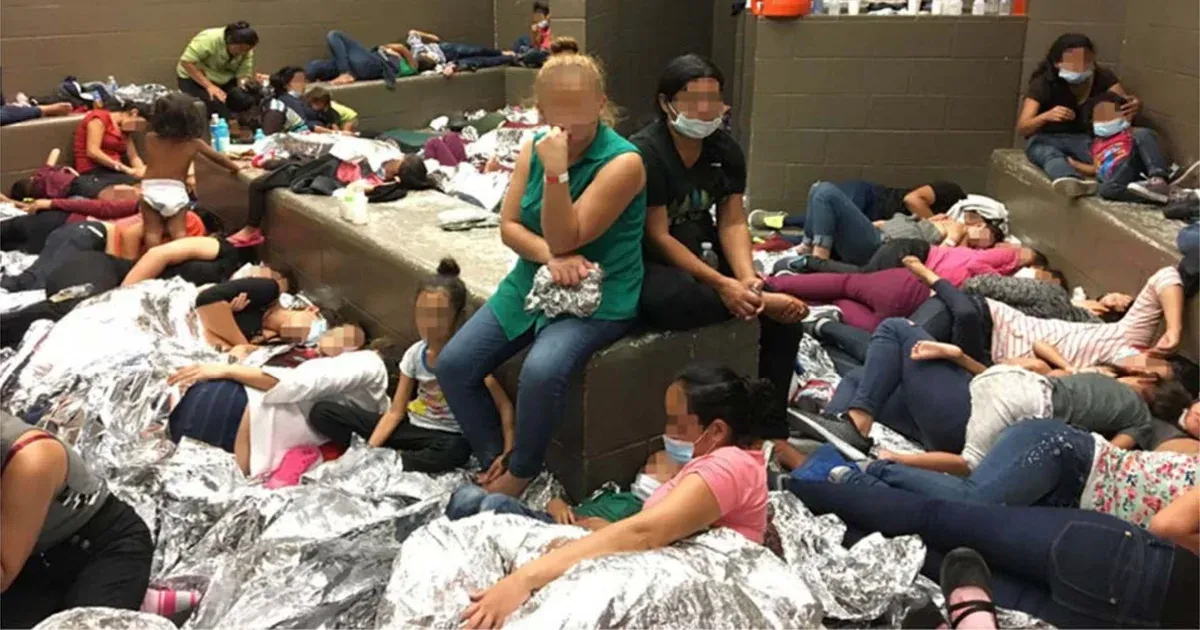
Liam Ramos's case puts the human cost of immigration enforcement at the center of a legal fight.
The debate now reaches beyond procedure into childhood trauma, detention standards and government discretion. That is why the case has become a broader test of discretion.
Liam Ramos faced renewed deportation efforts on April 6, 2026; his parents detailed the psychological toll of prior detention by U.S. Immigration and Customs Enforcement. Five-year-old Liam, also known as Liam Conejo Ramos, continues to suffer from persistent anxiety regarding his legal status. His family confirmed that the child frequently expresses fear of being separated from his parents again. Investigative reporter Camilo Montoya-Galvez documented these experiences in an exclusive interview highlighting the long-term impacts of federal custody on minors. Current administrative policies prioritize the removal of families despite global condemnation of such practices. Liam remains a focal point for advocates demanding an end to child detention.
Liam Ramos and Psychological Trauma of Detention
Children held in federal facilities often develop complex trauma responses that persist long after their release. Psychologists monitoring the Ramos case noted that Liam exhibits symptoms consistent with separation anxiety and post-traumatic stress. These emotional burdens manifest during routine activities, where the five-year-old checks on his parents to ensure they have not been seized by federal agents. His father told reporters that the child asks daily if the men in uniforms are returning to take him away. Liam's experience is not isolated. Hundreds of families currently face similar legal proceedings under the current administration. Global outrage erupted when Liam was first detained, yet federal prosecutors have not abandoned the case against him.
Advocates argue that the psychological scarring of a five-year-old child creates a permanent disability. Medical records from independent evaluators suggest that prolonged exposure to detention environments disrupts early childhood development. Liam's parents described how their son has become withdrawn and fearful of leaving the house. The boy believes that every knock at the door means the arrival of immigration officers. Such widespread fear impacts his ability to attend school or interact with peers. Federal authorities insist that they are following established legal protocols for non-citizens with active deportation orders. Court filings indicate that the government intends to proceed with the removal of the entire Ramos family.
Legal representatives for the family are seeking relief based on the trauma Liam endured while in custody. They argue that the case now tests whether documented psychological harm can justify restraint from federal prosecutors. The litigation remains unresolved.
Legal Framework of ICE Deportation Proceedings
Immigration courts operate under a major backlog that often keeps families in legal limbo for years. The Ramos family entered this system during a period of heightened enforcement, where children were not exempt from accelerated removal processes. Current statutes allow the government to detain and deport any individual without a valid visa, regardless of age. Enforcement priorities shifted recently to target families who were previously granted temporary stays. Liam's legal status is currently being judged in a federal court that handles thousands of similar cases. Judicial rulings in this circuit have historically favored strict adherence to the letter of immigration law. Defense attorneys find it difficult to argue for clemency when the executive branch mandates maximum enforcement.
Royer Perez Jimenez and Fatal Custody Outcomes
Tragedy struck the detention system recently when Royer Perez Jimenez died while in the custody of immigration officials. The 15-year-old Mexican teenager immigrated to the United States with the hope of supporting his family back home. Relatives described him as a dedicated laborer who sought to escape poverty and violence. His death sparked a new wave of investigations into the medical care provided within ICE facilities. Royer was reportedly held for several weeks before his condition deteriorated. Official reports indicate he died from complications related to an untreated infection. His family recently held a funeral, burying a boy they described as unjustly accused and poorly treated.
"Royer Perez Jimenez was a hard worker who immigrated at 15 to triumph and help his family."
Royer's uncle was the primary spokesperson for the family during the grieving process. He stated that the teenager was not a criminal but a child looking for a better life. Legal advocates for the Perez Jimenez family are preparing a wrongful death lawsuit against the federal government. They allege that facility staff ignored Royer's pleas for medical attention for several days. Internal audits of the facility where he was held have previously flagged deficiencies in healthcare staffing. Federal officials have expressed regret over the loss of life but denied any systemic negligence. The teenager's death is the fourth such incident recorded in the last twelve months. Royer's case highlights the physical risks inherent in long-term juvenile detention.
Medical professionals who work with immigrant populations cite a lack of specialized pediatric care in these centers. Investigators are reviewing the timeline of Royer's illness, while his family argues that release to relatives could have prevented the fatal outcome.
Administrative Shifts in Immigration Enforcement Rules
Policy changes enacted at the start of the current presidential term removed many of the protections previously afforded to minors. Authorities now have more power to detain children for longer periods without a court hearing. This change was designed to streamline the deportation process and reduce the time spent in the judicial system. Opponents of the shift argue that it violates the 1997 Flores Settlement Agreement, which set limits on how long children could be held. Federal lawyers have countered that the settlement is outdated and does not apply to the current border situation. Liam Ramos and his family are directly impacted by these shifting rules. The administration continues to seek ways to bypass judicial oversight of its detention centers.
Liam's mother stated that the monitoring device is a constant reminder of their unstable situation. The boy often points to the device and asks if it will lead the police to their home.
Immigration Enforcement Test
Bureaucratic inertia often consumes the very lives it is supposedly designed to regulate. The persistent pursuit of a five-year-old child like Liam Ramos by the federal government is not a sign of a functioning legal system but rather a symptom of an agency that has lost its capacity for human discernment. When a child's primary childhood memory is the glint of a badge and the threat of a cell, the state has failed its most basic moral obligation. Federal agencies hide behind the shield of procedural necessity to justify actions that would be considered child abuse in any other context. This is the calculated result of an enforcement-first ideology that views empathy as a loophole.
The death of Royer Perez Jimenez is a logical consequence of a system that prizes volume and speed over care. Aggressive deportation of the Ramos family will not fix a broken border. It will only confirm how quickly procedure can replace judgment when children are treated as administrative burdens.