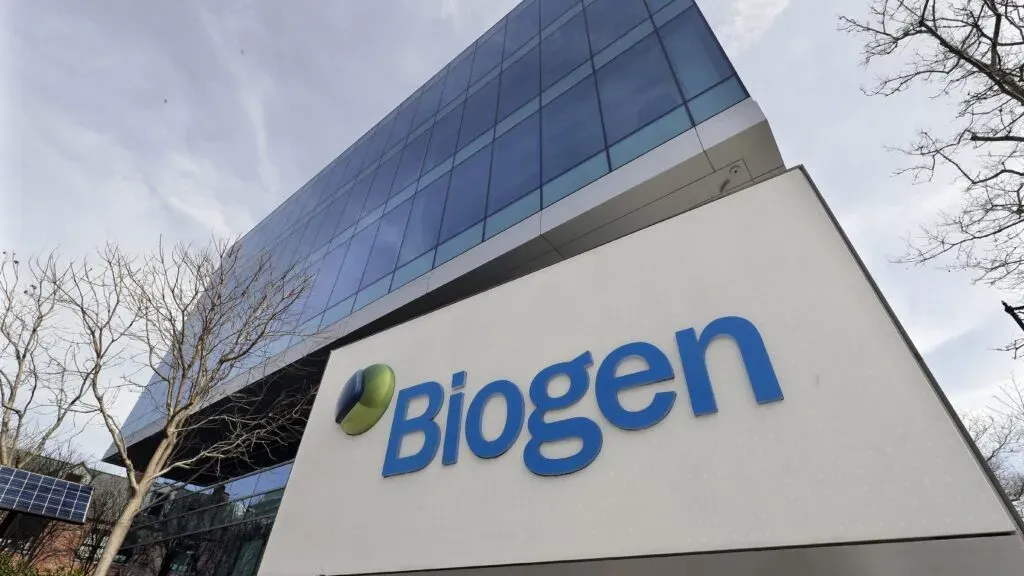
Eli Lilly's completed takeover of Centessa and Biogen's completed acquisition of Apellis show where big-pharma dealmaking has moved in 2026. The largest companies still need growth, but many are buying focused biotech assets rather than chasing disruptive mega-mergers.
The two transactions are different in risk profile. Lilly bought a clinical-stage sleep-medicine pipeline with large upside and regulatory uncertainty. Biogen bought marketed complement-disease products with immediate revenue and commercial questions. Together, they show the same strategic instinct: pay up for a narrow asset that can be explained clearly.
The Deals Are Targeted, Not Small
Lilly's Centessa agreement carried $6.3 billion upfront value and could reach about $7.8 billion through contingent value rights. Biogen's Apellis transaction was about $5.6 billion upfront, with additional milestone payments tied to Syfovre sales. These are not minor tuck-ins.
They are still different from the old mega-merger model. A company can integrate one scientific platform, one commercial franchise or one pipeline lane with less disruption than absorbing an entire diversified rival. Focused acquisitions are therefore attractive when investors want growth but dislike operational sprawl.
Lilly Is Buying Sleep-Medicine Optionality
Centessa gives Lilly a stronger position in sleep-wake disorders through cleminorexton and related orexin receptor agonist work. The target fits Lilly's broader neuroscience ambitions while diversifying a company heavily associated with metabolic drugs.
The appeal is clear: sleep and wakefulness disorders remain areas with unmet need, and a successful orexin-based therapy could create a meaningful franchise. The risk is just as clear. Clinical-stage assets still depend on trial durability, safety, dose profile, regulatory timing and whether physicians see enough benefit to change prescribing habits.
Biogen Bought Revenue and a New Lane
Apellis gives Biogen two marketed products: Syfovre for geographic atrophy and Empaveli for complement-mediated rare diseases. Biogen said the products generated $689 million in 2025 net product revenue, giving the company a nearer-term growth bridge than an early-stage pipeline alone could provide.
The near-term revenue matters for Biogen because older neurology franchises have faced pressure. Apellis expands the company into ophthalmology, nephrology and complement biology while supporting a broader rare-disease strategy. But marketed revenue does not remove risk. Syfovre depends on physician confidence, reimbursement, injection burden, safety perception and competition.
Contingent Payments Reveal the Anxiety
Both deals use contingent value to manage uncertainty. Lilly's extra payment depends on regulatory milestones tied to Centessa assets. Biogen's added payments depend on Syfovre commercial thresholds. The payment structure tells investors what management is worried about.
For Lilly, the key question is whether the science becomes an approved drug with a meaningful label. For Biogen, the question is whether an approved product can keep growing enough to justify the premium.
Patent Pressure Is Driving the Hunt
Big pharma is facing patent cliffs, trial costs and investor impatience. Internal research is still essential, but it is slow and unreliable. Buying a focused biotech can shorten the path to a new therapeutic area or reinforce a growth story already under way.
Focused scope does not make the deals automatically smart. It makes them understandable. Scarce assets with credible science, commercial revenue or clear strategic fit become expensive when many large companies are hunting the same kind of growth.
The Bet Is Narrow, Not Easy
For investors, these transactions ask whether premiums will become durable revenue. For patients and physicians, the better question is whether larger ownership speeds access, support and evidence generation or simply puts sharper financial expectations around the same medicines.
Lilly and Biogen are buying focus. Focus can be powerful because it gives management a clean thesis and gives researchers stronger backing. It can also concentrate disappointment if one product misses, one label disappoints or one launch slows. In 2026 pharma M&A, smaller than a mega-merger no longer means low risk. It means the risk has a name, a molecule and a sales target.