A Louisiana police pursuit took an unusual turn when a suspected impaired driver fled into swampy ground and was bitten by an alligator before officers arrested him. That made the arrest memorable, but not legally simple. The search also shows why wetland geography can change the risk calculus during a pursuit. The chase began after reports of reckless driving on Interstate 10 and moved through a traffic stop, a foot pursuit and a search involving local deputies. The incident occurred on June 7, 2026, according to law enforcement accounts. That sequence keeps the case anchored in public safety rather than spectacle, because the arrest record now carries both the alleged driving offense and the swamp search.
Authorities identified the suspect in public reports as Victor M. Rivas, a 40-year-old man accused of driving while impaired. Troopers said the case began after a Toyota Supra was reported driving recklessly and striking a concrete barrier in Jefferson Parish. After officers stopped the vehicle on Interstate 310, the driver ran from the scene and entered nearby swamp terrain.
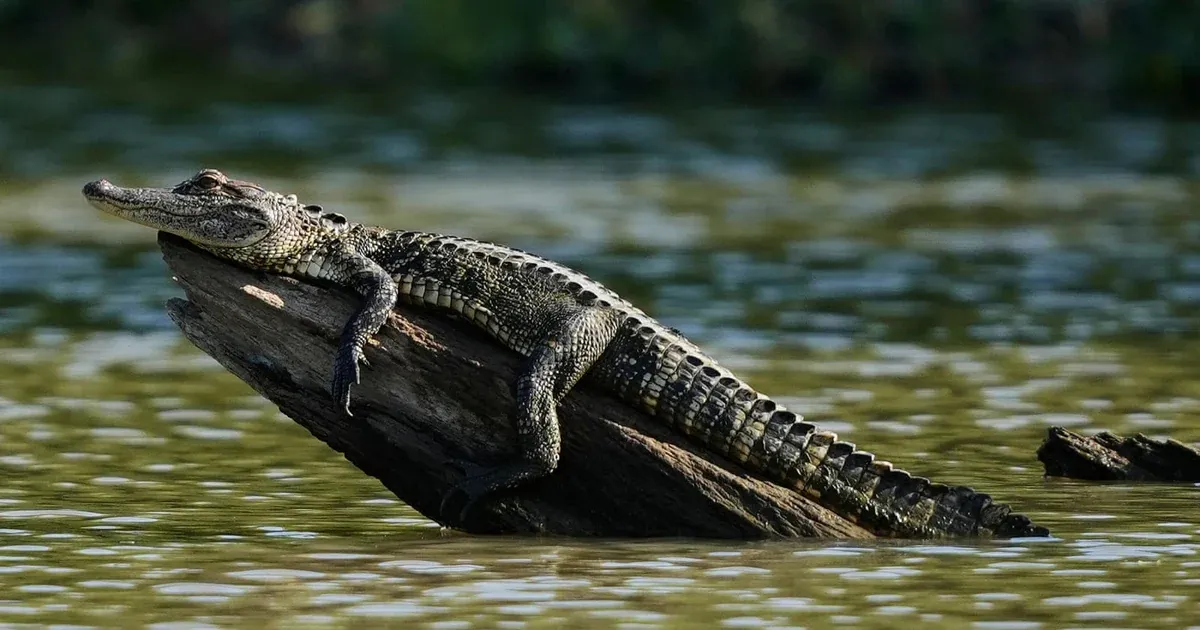
The search widened when St. Charles Parish deputies joined the response. Officers later found the suspect near U.S. Highway 61, but he ran again into another swampy area. That second attempt to escape ended when an alligator bit him on both arms. Officials said the injuries were not life-threatening, but the man still required medical treatment before being booked.
Swamp Search Complicates Arrest
The case drew attention because the animal encounter became part of the pursuit rather than a separate emergency. Police did not describe the alligator as a tool of the arrest, but the attack forced officers to handle the scene as both a capture and a safety response. Drone assistance helped authorities locate and detain the suspect after he continued moving through the area.
Louisiana State Police said the episode showed how quickly a traffic investigation can become dangerous when a suspect flees into unfamiliar terrain. Swamps, canals and roadside wetlands are common across southeastern Louisiana, and officers often have to weigh pursuit tactics against wildlife, water depth and visibility.
The charges reported in the case include driving while impaired, resisting an officer, hit and run, and careless operation. Those charges remain allegations unless proven in court. The alligator bite does not erase the legal case, but it may affect the timing of booking, medical clearance and the suspect's first court appearance.
Why the Case Drew Notice
Unusual pursuit stories often spread because they sound comic at first glance. This one still involves a serious public-safety sequence: alleged impaired driving, a crash report, flight from police, a search operation and injuries that could have been worse. The details also show why officers often avoid following suspects blindly into hazardous natural areas.
St. Charles Parish officials treated the episode with some public humor afterward, but the practical message was more direct. Fleeing into a Louisiana swamp can expose suspects and officers to risks that have nothing to do with the original traffic stop. In this case, the environmental risk became the part of the story that made the arrest national news.
The sequence also explains why the story moved beyond a routine police blotter item. The suspect was not reported to have been pulled from the water at the first point of contact. Instead, authorities described a continuing search that required coordination between state police and parish deputies. That longer search window made location, visibility and medical response part of the public-safety question.
Alligator attacks during police work are rare, but the setting made the risk plausible. Southeastern Louisiana's road network often runs close to canals, drainage areas and marsh edges. A suspect who leaves a roadway can move from a traffic case into terrain where officers may need drones, perimeter control and medical support rather than a simple foot chase.
The public reaction also showed a familiar tension in unusual crime stories. The alligator detail made the case travel widely online, yet the underlying charge remains a DWI investigation with alleged reckless driving and flight from police. Treating the event only as a strange animal encounter would miss the reason officers were involved in the first place.
The location also matters for how the case will be remembered. Interstate corridors in the New Orleans area pass close to low ground where water, brush and wildlife can turn a short foot pursuit into a wider search. For police, that means the safest response may be containment and observation rather than immediate contact. For the suspect, it meant the escape route created a second danger before the original traffic case had even reached a courtroom.
The next stage is procedural rather than dramatic. Prosecutors will decide how to handle the charges, the defense will be able to challenge the allegations, and court records will determine what penalties are possible. For now, the confirmed outcome is narrower: a suspect survived an alligator bite, received treatment and entered the criminal process after a pursuit that began as a DWI investigation. The unusual setting may draw attention, but the legal record will turn on the alleged driving conduct, flight from officers and the evidence collected before the swamp search began.