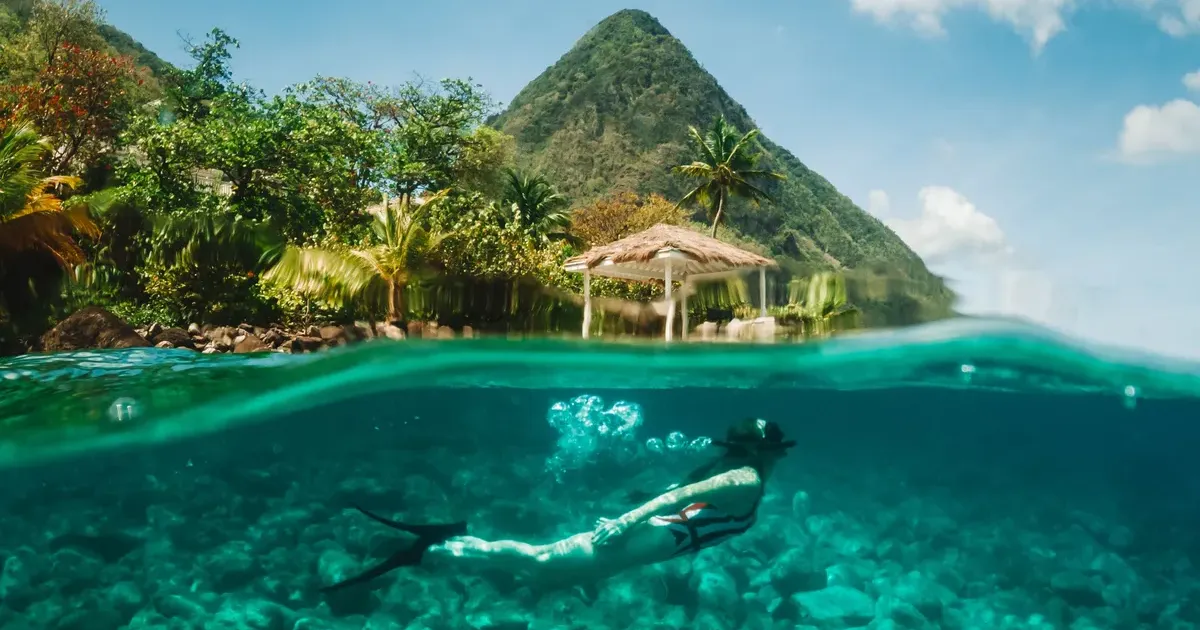
Luxury hotels are increasingly selling the ocean as part of the room rate. In the Caribbean, the Maldives, Mexico, Hawaii, Indonesia and the Seychelles, resort copy now leans heavily on house reefs, turtle programs, coral nurseries, marine-biologist walks and guided snorkeling. The promise is attractive: a guest can buy comfort and privacy while feeling connected to a living ecosystem rather than sealed inside a resort bubble.
The promise can be useful when tourism money supports real local work. It can also become a polished version of greenwashing. A reef-facing villa does not make a hotel a conservation project. The difference is whether the property funds, measures and protects the marine system it uses to justify premium rates.
A House Reef Is Business Infrastructure
For an island resort, a healthy reef is not background scenery. It is business infrastructure. Guests choose properties because they can snorkel from shore, see fish below a deck, join a short dive trip or bring children into calm water without losing half a day to transfers. Reef quality therefore affects room value, guest satisfaction, repeat bookings and the photographs that sell the next stay.
The business dependence creates a basic obligation. If a hotel profits from a reef, it has to manage how guests use it. Boat traffic, anchors, sunscreen, waste, construction runoff, night lighting, noisy excursions and careless fins can all damage the same environment being advertised. A resort that markets marine access but treats the water as an unlimited amenity is spending ecological capital without admitting it.
Real Programs Leave Evidence
The strongest marine programs are specific. Gili Lankanfushi in the Maldives, for example, has described coral-line work in which fragments are grown on ropes and later moved to damaged areas of the house reef. Other credible efforts may involve turtle-nesting monitoring, seagrass protection, mangrove restoration, reef-safe mooring systems, fish-count surveys, citizen-science sightings or partnerships with local researchers.
The common feature is evidence. Who runs the program? What species or habitat is being protected? How long has the work continued? What data is collected? How much money goes to local conservation groups rather than to guest-facing decoration? If the answers stay vague, the conservation language is doing more work for the brochure than for the coastline.
Guests Need Rules, Not Just Stories
Education matters, but it has to change behaviour. A guided snorkel can help guests understand bleaching, coral recovery, reef etiquette and species pressure. A marine biologist can turn a pretty swim into a clearer view of what the reef needs. But the program becomes stronger when the resort also sets rules: no standing on coral, no feeding wildlife, no souvenir collecting, no damaging sunscreen, no anchoring where moorings should be used.
Luxury conservation becomes awkward here. of luxury conservation. Hotels like to sell ease. Conservation often requires limits. A property that refuses to inconvenience guests at all is unlikely to protect a fragile reef well. Serious stewardship sometimes means telling a paying customer no.
Every Coast Has a Different Problem
Generic sustainability pages blur the work that actually matters. The Maldives faces warming seas, coral bleaching, waste pressure and sea-level risk. Caribbean resorts may be dealing with reef stress, storm damage, coastal construction and turtle nesting beaches. Mexico's Riviera Maya has reef and seagrass systems that are vulnerable to development, visitor density and water-quality problems. Hawaii adds local cultural stewardship and native-species sensitivities that cannot be reduced to a hotel activity list.
A serious resort should sound like the place where it operates. The Seychelles should not be described the same way as St. Lucia, Sumba or Tulum. Real conservation responds to local ecology, local communities and local scientific limits. Copy that could be pasted onto any beach is usually a warning sign.
Purpose Cannot Become Another Amenity
Luxury travel has learned that modern guests like purpose attached to comfort. That creates a temptation to package turtles, reefs and coral fragments as emotional upgrades. The photographs are easy. The accountability is harder. A guest holding a coral frame for a resort camera may feel involved, but involvement is not the same as restoration.
Proof is the standard. What is protected, who measures it, what changed because of the hotel and what behaviour did guests have to adjust? If a resort cannot answer those questions, conservation is being used as decor. If it can, luxury tourism may at least pay rent to the ocean it profits from. The distinction matters because reefs are not props. They are living systems under pressure, and a premium room rate does not give any brand the right to spend them down.