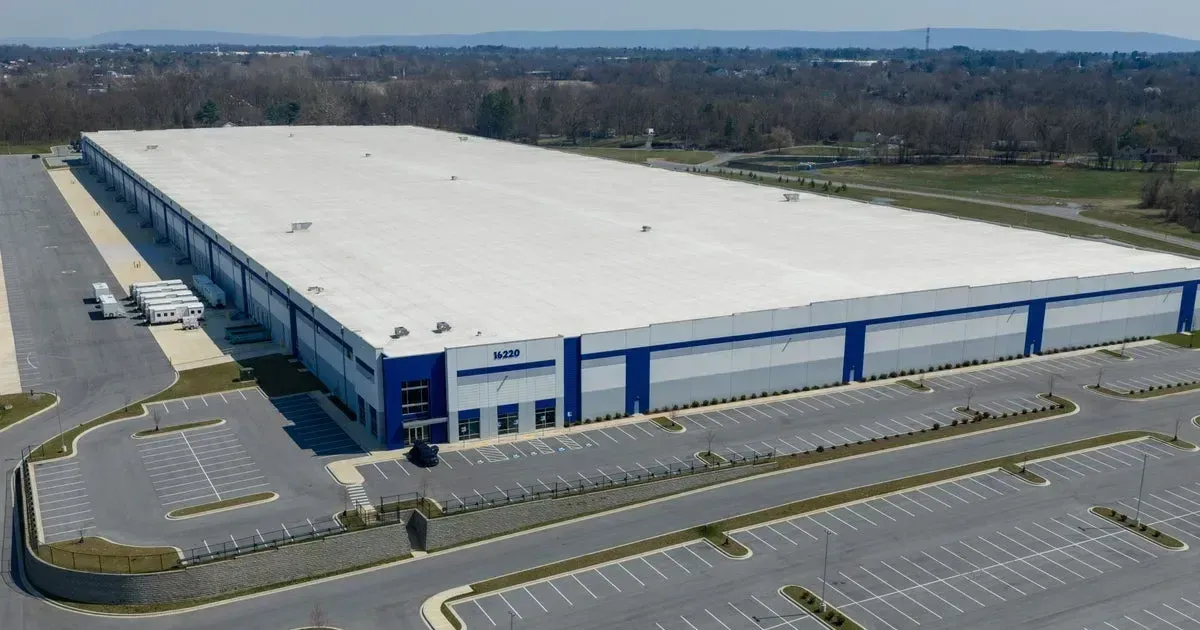
Residents of Maryland marched to the statehouse to oppose a federal plan to convert industrial warehouses into immigration detention centers. Organizers from community groups demanded transparency over the expansion of enforcement infrastructure near residential areas across the state. Homeland Security officials paused the project after the scale of the turnout complicated the political path forward. Local officials said emergency planning and zoning review could not be treated as afterthoughts. The April 9, 2026, protest turned a zoning dispute into a broader fight over detention policy and local safety.
Protests in the city intensified when documents revealed that a specific warehouse in a residential district had been earmarked for rapid conversion. Local activists argue that repurposing industrial zones for human incarceration bypasses standard zoning oversight and environmental impact studies. Public safety concerns and the potential for decreased property values dominate the discussion among local homeowners. Homeland Security maintains that these facilities are necessary to manage the logistics of border enforcement and interior removals. Maryland remains a difficult territory for such projects due to strong local opposition and legislative hurdles that prioritize community consent in land use decisions.
Maryland Residents Rally Against New Detention Plans
Signs reading Not In Our Backyard and People Over Profits filled the streets as thousands voiced their disapproval of the planned facility. Markwayne Mullin stated during a recent press briefing that the department is seeking cost-effective ways to expand capacity without the long lead times required for new construction. Warehouses offer a ready-made solution for high-volume housing because they typically possess the high ceilings and open floor plans necessary for modular dormitories. Despite these practical advantages, the proximity of the proposed Maryland site to schools and parks has galvanized a diverse coalition of opponents. Local politicians have also joined the fray, calling for a permanent cancellation of the contract rather than a temporary pause.
Community leaders emphasize that the lack of public consultation is the primary driver of the current unrest. Federal agencies often use emergency procurement rules to secure leases for these buildings, a move that minimizes public debate. As a result of this strategy, the local government felt blindsided by the sudden arrival of federal contractors at the industrial park. Marylanders are particularly sensitive to the optics of windowless industrial buildings being used to house families or individuals. Activists have pledged to maintain a 24-hour vigil at the site until the federal government removes all equipment and officially terminates the lease agreement.
“Maryland will not be a testing ground for warehouse prisons that ignore the dignity of the people inside and the safety of the people living next door,” a spokesperson for the Maryland community coalition said.
DHS Secretary Markwayne Mullin Reviewing Warehouse Sites
Mullin's office is now balancing the need for enforcement capacity with the political realities of state-level resistance. Reports from inside the department suggest that the 2026 budget allocation for detention relies heavily on these industrial conversions to stay within fiscal limits. Traditional detention centers cost much more per bed to construct and maintain compared to the retrofitted warehouse model. Simultaneously, the Department of Homeland Security faces pressure from federal courts to improve the conditions of confinement for those awaiting hearings. Secretary Mullin is caught between the mandate for efficiency and the legal requirement for humane treatment standards.
Economic analysts at the department argue that using existing structures reduces the carbon footprint of federal expansions. These officials believe that the speed of conversion is essential to managing surges in migrant arrivals at the southern border. Maryland is not the only state seeing these plans, as similar initiatives are under review in various industrial corridors throughout the Northeast. Opposition in these regions is frequently better funded and more organized than in more remote areas. This creates a significant bottleneck for federal plans that rely on the geographic proximity of major transportation hubs and airports.
Industrial Conversions Face Regulatory and Legal Hurdles
Attorneys representing the protesters have filed several lawsuits challenging the legality of the warehouse conversion. Legal arguments center on the claim that industrial zoning permits do not include the residential requirements for long-term human housing. Such facilities require specific ventilation, fire safety, and plumbing upgrades that typical warehouses do not possess. Maryland state law includes strict regulations regarding the occupancy of buildings that were not originally designed for residential use. Federal supremacy often allows the government to bypass certain local rules, but the political cost of doing so is rising.
News of the pause in Maryland has emboldened similar movements in other states where warehouse conversions are planned. Critics within the state legislature have proposed new bills that would require any federal detention facility to meet state health and safety standards before opening. Secretary Mullin has expressed concern that these state-level restrictions could hamper federal enforcement efforts. If the Maryland facility is permanently blocked, the department must find alternative sites that are likely to face the same degree of scrutiny. Federal agents have already begun scouting secondary locations in more rural counties where industrial parks are further from residential centers.
Geographic factors made the Maryland warehouse an ideal candidate for the Department of Homeland Security initially. Its proximity to major interstates and a regional airport allows for the efficient transfer of detainees between different jurisdictions. Logistical planners at the agency prefer locations that minimize the time and expense of transport. The facility was designed to hold up to 1,200 individuals at full capacity using a modular interior system. These systems allow for the rapid reconfiguration of the space based on the demographic needs of the current detainee population.
Maryland officials, however, point to the strain such a facility would put on local emergency services and hospitals. Local fire departments expressed concerns that they are not equipped to handle a large-scale emergency within a high-density detention environment. Projections show that a facility of this size would require a dedicated medical staff that the federal government has yet to fully hire. Without these support systems in place, the burden of care often falls on the surrounding community. This concern is a recurring theme in the testimony provided by residents during the recent rallies.
Local Resistance and Federal Detention Policy
Can a government truly secure its borders by repurposing the skeletal remains of a dying industrial sector? Relying on derelict warehouses to house human beings is not a logistics solution. It is a confession of bureaucratic bankruptcy. Secretary Mullin is attempting to bypass the slow grind of federal construction by taking the path of least resistance through industrial zones. This strategy treats human detention as just another inventory management problem. It fails to account for the sociological friction generated when the federal government forces such facilities upon unwilling local populations.
Maryland residents have provided a blueprint for how local communities can disrupt federal enforcement goals through sheer persistent presence. The pause in construction is a tactical retreat by the Department of Homeland Security, not a change of heart. Mullin's team is likely searching for a legal loophole that will allow them to override the zoning complaints that have stalled the project. Federal agencies view these warehouses as interchangeable boxes on a map. They ignore the reality that these buildings are embedded in living communities that have no interest in hosting the carceral state. The gray walls of an industrial park cannot hide the political reality of modern immigration enforcement. Maryland has spoken. The federal government should listen.