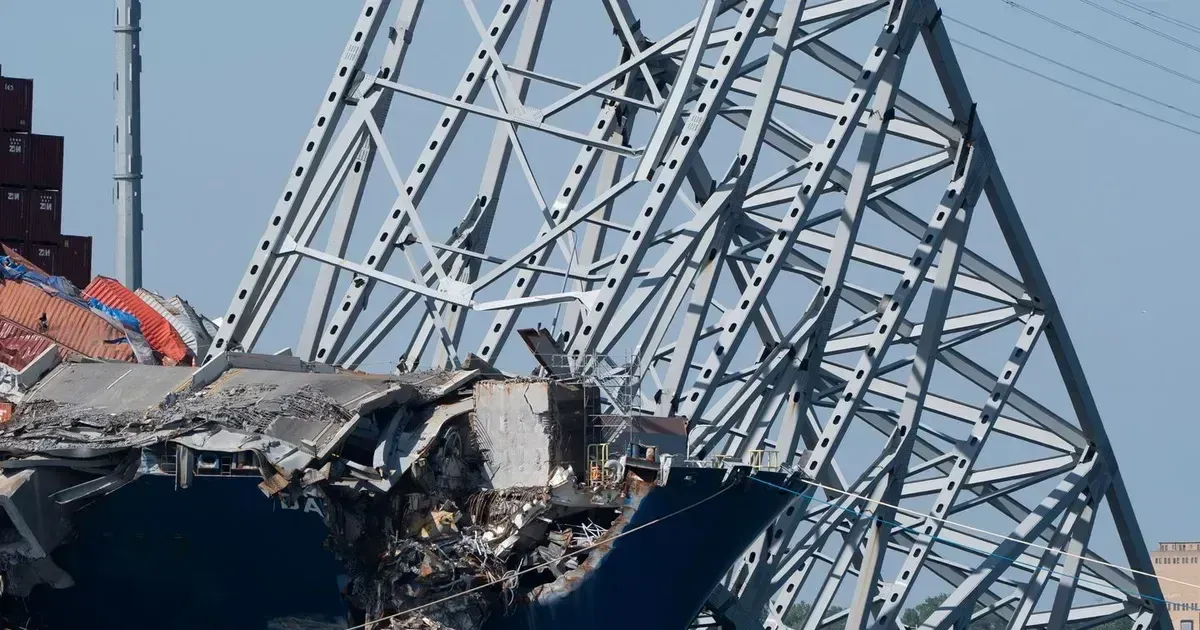
Maryland reached a settlement with the owner of the cargo ship involved in the Baltimore bridge collapse, moving one major legal dispute closer to resolution. The agreement followed years of claims over infrastructure damage, cleanup costs and responsibility for the disaster. State officials still had to explain how the agreement would fit into rebuilding and future protection. The settlement on April 9, 2026, gives the state money and closure, but not a full answer to every safety question. The legal settlement is important because the collapse carried public costs far beyond the bridge itself. Traffic patterns changed, port operations were disrupted and emergency spending rose. Maryland needed a financial recovery path as well as a reconstruction plan.
Bridge Settlement and Accountability
Settlements often avoid the uncertainty of trial, but they can leave unresolved questions about fault. The state can recover money without every technical dispute being tested in open court. That may frustrate families and workers who want a fuller public record.
The ship owner will likely view the agreement as a way to limit exposure and move forward. Maryland officials will present it as a practical result for taxpayers. Both claims can be true while safety investigators continue examining broader lessons.
Maryland's Recovery Costs
Infrastructure disasters create layered costs. There is the visible damage, the emergency response, the economic disruption and the longer-term expense of rebuilding with stronger safeguards. A settlement must be judged against that full burden.
The port's role in regional commerce makes the issue especially sensitive. Delays affect workers, trucking firms, exporters and local businesses. That is why the bridge collapse became an economic story as well as a transportation disaster.
Insurance claims, contractor obligations and federal reimbursement rules will still shape how quickly settlement money becomes visible rebuilding progress for residents, commuters and port users.
Safety Questions Remain
The most important question is how similar risks will be reduced. Better vessel tracking, bridge protection systems and emergency coordination may all become part of the policy response. Money alone cannot provide that assurance.
For Maryland, the settlement closes one chapter but not the whole case. The public will still expect a clear explanation of what failed, what was paid and what will change before another major ship approaches critical infrastructure.
The settlement also creates a benchmark for other claims connected to the disaster. Insurers, contractors, port users and affected businesses will look at the state's agreement as they evaluate their own recovery options. Even when legal claims are separate, one major settlement can influence expectations across the wider dispute.
For residents, the practical concern is whether the money helps speed rebuilding and improve protection. A bridge is a daily economic link as well as a structure. The longer replacement work takes, the more households and businesses absorb costs that are not always visible in a legal filing.
Officials will also have to explain how the settlement fits with federal support. If taxpayers are funding a large share of reconstruction, the public will want to know what the ship owner paid, what insurers covered and what costs remain. Clear accounting will matter for trust.
The case is a reminder that infrastructure risk is shared by private operators and public systems. Ports need commerce, ships need access and communities need protection from low-probability disasters with extreme consequences. The settlement helps resolve liability, but prevention will be the lasting test. The public accountability piece will continue after the payment. Maryland officials still need to explain how reconstruction choices reduce future risk, how emergency protocols changed and how port operations will be protected during the rebuilding period. A settlement can compensate taxpayers, but it cannot by itself restore confidence in a vulnerable transport corridor. Residents and businesses will judge the outcome by commute reliability, port stability and visible safety upgrades. Investigators may also identify lessons for other bridges exposed to large-vessel traffic. That makes the case nationally relevant: many older infrastructure systems were not designed for today's shipping scale. The legal chapter is narrowing, but the safety chapter remains open. Maryland's legal recovery will be measured against the broader public cost of the collapse. The settlement can help rebuild balance sheets, but commuters, port workers and local firms will judge success by safer infrastructure, clearer emergency planning and a replacement schedule that holds. The settlement also gives officials a chance to separate recovery from resilience. Recovery pays bills and advances rebuilding; resilience asks whether the next bridge, channel rules and emergency systems are stronger than the ones that failed. Maryland will be judged on both, especially by communities whose daily routines depended on the crossing. The settlement may also influence how other jurisdictions approach claims after infrastructure failures involving private vessels. Public agencies will study whether Maryland recovered enough, how quickly it moved and whether the agreement preserved room for separate safety reforms. Those lessons could matter well beyond Baltimore. That distinction will remain central as rebuilding continues. The rebuilding timeline will decide how voters judge the settlement.