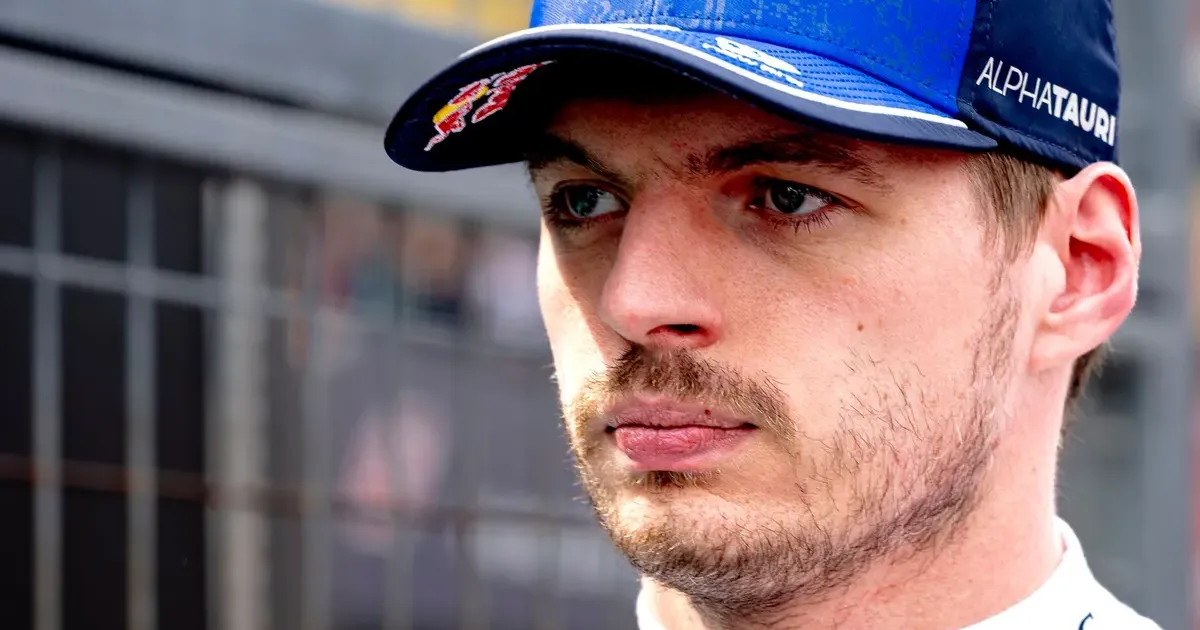
Max Verstappen shocked the global motorsport community by declaring his intention to potentially exit Formula 1 once the current technical cycle concludes. Speaking with a candor that has come to define his decade-long career, the four-time world champion said his passion for the series is waning. Red Bull now has to treat the comments as a sporting issue and a succession-planning problem. Rivals across the paddock are watching for signs that frustration could become a formal decision. Team officials treated the March 29, 2026 remarks as a serious strategic warning.
Disillusionment rarely manifests so publicly for an athlete at the peak of their powers.
Verstappen explained during a briefing that he is no longer deriving the same level of satisfaction from the cockpit. He specifically pointed to the 2026 regulation overhaul as a source of frustration, suggesting the current direction of the sport prioritizes spectacle over the raw mechanical purity he prefers. Many observers note that these complaints correlate with the introduction of complex power units and active aerodynamics designed to increase overtaking at the cost of driver intuition. Verstappen has often voiced a preference for lighter, simpler cars that reward bravery over energy management software.
Rule Changes Fuel Dissatisfaction in the Paddock
Technical shifts in the sport has historically pushed veterans toward the exit, but the 2026 changes appear particularly divisive for those who prioritize the driving experience. Critics within the paddock suggests the reliance on high-output electrical systems have turned the pinnacle of motorsport into a race of battery preservation. Verstappen has resisted this shift for years, and his latest comments indicate the limit of his patience has been reached. He noted that the sensation of driving these new machines feels disconnected from the visceral racing he fell in love with as a teenager.
Elite drivers often find the political and commercial obligations of the modern schedule taxing. With the calendar ballooning to nearly thirty events per year, the mental toll on a champion who started his career at age seventeen is starting to show. Verstappen mentioned that the lifestyle required to maintain title winning form is no longer sustainable if the reward is a car he does not enjoy driving. His contract with Red Bull Racing is one of the most lucrative in history, yet financial incentives seem unable to outweigh his desire for authentic competition. I am not enjoying the sport anymore, and if you are not enjoying it, you have to ask yourself if it is still worth it to be away from home so much and putting in so much effort.
Verstappen offered this blunt assessment during an interview with BBC Sport, signaling that his retirement threat is a calculated stance. Analysts believe he is leveraging his status to demand changes, or perhaps he is truly ready to pursue other interests like endurance racing or team management. The 2026 season is a natural breaking point for many teams and drivers, making it the most logical window for a departure of this magnitude. This uncertainty regarding Max Verstappen follows recent performance struggles, including a failure to reach the final qualifying session.
Damon Hill Suggests Sabbatical for Four Time Champion
Former world champion Damon Hill offered a different perspective on the situation during a recent broadcast. Hill argued that a driver of Verstappen’s caliber might simply be suffering from burnout rather than a permanent loss of interest in racing. He proposed that a temporary breaks from the grid could provide the perspective needed to appreciate the unique challenges of the sport. History supports this theory, as legends like Alain Prost and Niki Lauda returned from sabbaticals to win further championships with renewed vigor.
Hill noted that the relentless pressure of being the target for every other team on the grid creates a psychological vacuum. Verstappen has been in a high-pressure environment since his debut in 2015, barely taking a breath between seasons. A year away from the circus could allow him to explore other categories like the 24 Hours of Le Mans without the crushing weight of a twenty four race F1 schedule. Whether Red Bull would allow their star to take a gap year remains a complicated contractual question involving dozens of sponsors.
The technical overhaul affects driver engagement because Verstappen has repeatedly criticized rules that make energy management more important than instinctive racing.
Engineers at several top teams have privately echoed Verstappen’s concerns about the 2026 machinery. The shift toward a 50-50 split between internal combustion and electric power has forced radical aerodynamic changes to compensate for drag. Drivers are now required to manage a dizzying array of toggles and settings to ensure they do not run out of battery power during a defense or an overtake. Verstappen has characterized this as a departure from the "seat of the pants" racing that defines the world's best talents. The physical sensation of these cars is also under fire. Early simulator data suggests the active aero elements create unpredictable balance shifts that frustrate even the most skilled pilots. Verstappen’s mastery of car control is his greatest asset, but if the car’s behavior is dictated by algorithms instead of physics, that advantage is neutralized. He has stated repeatedly that he does not want to be a passenger in a high-speed computer, preferring the raw feedback of the previous generation of ground effect cars.
Red Bull Racing Faces Uncertain Future Without Lead Driver
Milton Keynes officials find themselves in an unstable position as they prepare for their own transition to an in house power unit program. Losing the most dominant driver of the decade at the exact moment the team launches its own engine would be a catastrophic blow to their technical stability. Christian Horner has spent years building the organization around Verstappen’s specific needs and feedback. Replacing him would require poaching a top tier talent like Lando Norris or Oscar Piastri, a move that would trigger an enormous shuffle in the driver market.
Sponsors are likely watching these developments with meaningful apprehension. Oracle and Honda have invested billions based on the marketing power of a winning Verstappen. If the Dutchman exits the sport, the commercial value of the team could see a sharp decline. Verstappen has never been one to prioritize marketing duties, but his results on track have provided enough coverage for his reluctance to participate in the commercial circus. Without those results, the relationship between the team and its financial backers becomes much more fragile.
Verstappen’s departure would also leave a void in the sport’s hierarchy. He has been the primary antagonist to the established order for years, providing the friction that drives viewership and fan engagement. A grid without his uncompromising style would look fundamentally different, potentially opening the door for a more collegiate but less exciting era of racing. His peers have expressed mixed feelings, with some sympathizing with his burnout and others seeing his potential exit as a long-awaited opportunity to climb the podium.
What Red Bull Must Plan For
The looming exit of Max Verstappen is not merely a personnel crisis for Red Bull; it is a deep indictment of the direction Liberty Media has steered the sport. For years, the commercial rights holders have prioritized expansion, celebrity cameos, and Netflix narratives over the technical integrity that attracts elite sporting talent. By bloating the calendar to twenty four races and forcing engineers into a box defined by artificial overtaking aids, the series has managed to alienate the very person who should be its greatest ambassador.
Is a sport truly the pinnacle of racing if its greatest practitioner finds it boring? Verstappen is a purist at a time of manufactured drama. His disdain for the 2026 regulations stems from a simple truth: he wants to race, not manage software suite at 200 miles per hour. If Formula 1 continues to prioritize the casual viewer over the competitive soul of the cockpit, it will continue to lose the individuals who make it worth watching in the first place. This trend suggests a future where the cars are spectacular, the events are glamorous, but the racing is a hollow simulation. Red Bull has no plan B because there is no replacement for a once in a generation talent who has been conditioned to win since childhood. If Verstappen walks away in 2026, he does so with his legacy intact and his bank account overflowing. The sport, however, will be left to pick up the pieces of a fractured identity. A championship that cannot keeps its champion interested is a championship in decline. The verdict is clear: F1 is failing its stars.