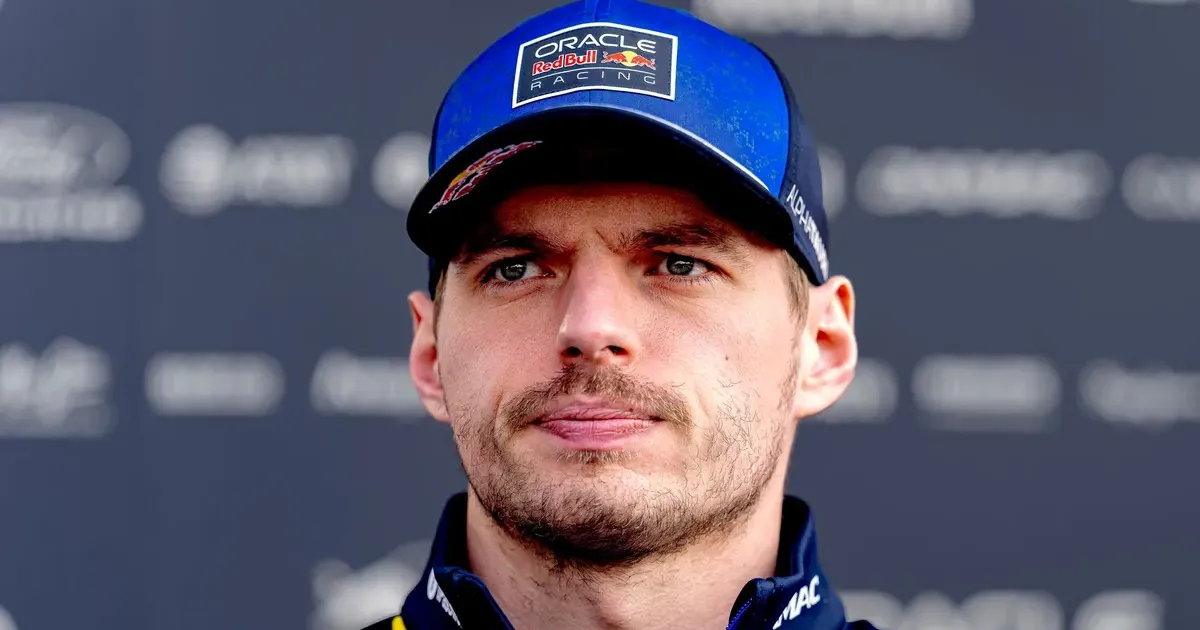
Max Verstappen plummeted from the front of the grid after a catastrophic failure during the second qualifying session of the Japanese Grand Prix. The result sharpened Red Bull’s setup questions before race pace could rescue the weekend. The report was dated March 28, 2026. Spectators at the Suzuka circuit watched in disbelief as the three-time world champion struggled to extract pace from his car. Max Verstappen finished the session in eleventh place, missing the cutoff for the final top-ten shootout by less than a tenth of a second. Timing screens flashed red as the driver failed to improve on his final flying lap, relegating him to the middle of the pack for Sunday's main event.
Engineers huddled around monitors in the Red Bull garage as the realization of the elimination set in. Technical data indicated a sizable loss of stability through the high-speed Esses, a section where the team traditionally dominates. Verstappen described his experience behind the wheel as erratic and unpredictable. This result represents the first time the Dutchman has failed to reach the final qualifying segment since a mechanical issue sidelined him in early 2024. "I am beyond frustrated with how the car felt today, and we clearly have a lot of stuff to figure out before the race," Verstappen said.
Precision is mandatory at a circuit like Suzuka, but the RB22 chassis appeared unsettled by the aggressive curbing. Team principal Christian Horner remained on the pit wall long after the session ended, discussing telemetry with lead designers. Rumors of a correlation issue between the wind tunnel and the track have persisted throughout the early stages of the 2026 campaign. Eleven other drivers managed to navigate the tricky conditions more effectively than the reigning champion.
Suzuka Circuit Technical Challenges and Tire Wear
Suzuka remains one of the most demanding venues on the Formula 1 calendar due to its unique figure-eight layout and high lateral G-forces. High-speed corners like 130R and the Degner Curve place immense strain on the left-front tire, leading to rapid thermal degradation. Teams must balance aerodynamic downforce with straight-line speed to remain competitive on the long run toward the Casio Triangle. Red Bull opted for a lower-downforce configuration that seemingly backfired during the cooler track temperatures of the afternoon.
Pirelli technicians reported that surface temperatures dropped by six degrees Celsius between the start of the first session and the end of the second. This change narrowed the operating window for the soft-compound tires, catching several front-running teams off guard. Verstappen struggled specifically with front-end bite, reporting serious understeer that prevented him from hitting his apexes. Mechanics spent the interval between sessions adjusting wing angles, yet the balance remained elusive for the number one car.
Red Bull Engineering and Power Unit Correlation
Power unit performance under the new 2026 regulations has added a layer of complexity to every race weekend. The shift toward a 50-50 split between internal combustion and electrical power requires sophisticated energy management software. Initial reports from the garage suggest that the energy deployment on Verstappen's car was inconsistent during his final Q2 run. Clipping occurred on the back straight, leaving him vulnerable to the hard-charging midfield teams. Reliability concerns also loomed over the weekend after a sensor failure during Friday practice. Mechanics replaced several wiring looms overnight as a precautionary measure, but the car never returned to its optimal state. Horner noted that the lack of clean running on Friday afternoon limited their ability to fine-tune the race setup. Qualifying sessions in 2026 leave no room for error, as the field is often separated by less than half a second from first to fifteenth.
Formula 1 Regulatory Shifts and Grid Parity
Rule-makers at the FIA have expressed satisfaction with the increased volatility of the 2026 grid. Liberty Media executives believe that unpredictable qualifying results are essential for the long-term health and viewership of the sport. Recent changes to active aerodynamics were designed specifically to prevent one team from runaway victories. These regulations use movable front and rear wings to reduce drag on straights while maximizing downforce in corners, a system that requires perfect synchronization.
Systemic failures in the active aero software can lead to sudden losses of grip, a phenomenon that appeared to plague Verstappen at the hairpin. Competitors have noted that the Red Bull car looks more difficult to drive on the limit than its predecessors. Several drivers commented on the twitchy nature of the 2026 machinery during the post-qualifying press conference. Parity has become the defining characteristic of the current era, much to the chagrin of dominant champions.
Struggles at the top of the table provide an enormous boost to the commercial prospects of the Japanese Grand Prix. Ticket sales for the Sunday race reached capacity within minutes of the qualifying results being finalized. Fans are eager to see if Verstappen can carve through the field from eleventh on a track where overtaking is notoriously difficult. His ability to manage tire life while maintaining a high pace will be tested to the absolute limit. Points leaders typically rely on clean air and front-row starts to manage their machinery and strategy. Starting deep in the midfield exposes a driver to the risks of first-lap contact and debris. Strategists at Red Bull must now decide whether to start on the more durable hard tire or attempt an aggressive two-stop strategy with softs. Overtaking at Suzuka requires a meaningful speed delta that the current RB22 may not possess.
Championship rivals see this qualifying failure as an opening to reclaim ground in the standings. Max Verstappen leads the table by a narrow margin, and a poor finish on Sunday could see that lead evaporate entirely. Consistency has been his greatest asset, but the technical gremlins of March 28 have shaken that foundation. Every position gained in the race will require a calculated risk, a prospect that delights neutral observers and terrifies team owners.
Championship Pressure
Dismissing the Japanese qualifying disaster as a mere technical fluke ignores the rotting foundation of the current regulatory cycle. Formula 1 has spent years engineering a system designed to punish excellence under the guise of entertainment. By tethering the most capable engineers to restrictive cost caps and mandated aerodynamic parity, the sport has effectively neutralized the very innovation that made it the pinnacle of motorsport. What we saw at Suzuka was not a failure of Max Verstappen, but the intended outcome of a governing body that views dominance as a marketing problem rather than an athletic achievement.
Red Bull Racing now finds itself trapped in a cycle of diminishing returns. The brilliance of their design team is being choked by a set of rules that rewards stagnation and penalizes the bold. When a generational talent like Verstappen cannot find the limit of his machine, it is usually because the machine has been legislated into mediocrity. The FIA and Liberty Media may celebrate the "excitement" of a shuffled grid, but they are sacrificing the soul of the competition for short-term engagement metrics.
If the fastest driver in the world is relegated to eleventh because of software glitches and mandated parity, then the sport has ceased to be a race and has become a choreographed drama. This erosion of technical purity will eventually alienate the very purists who sustained the sport for decades.