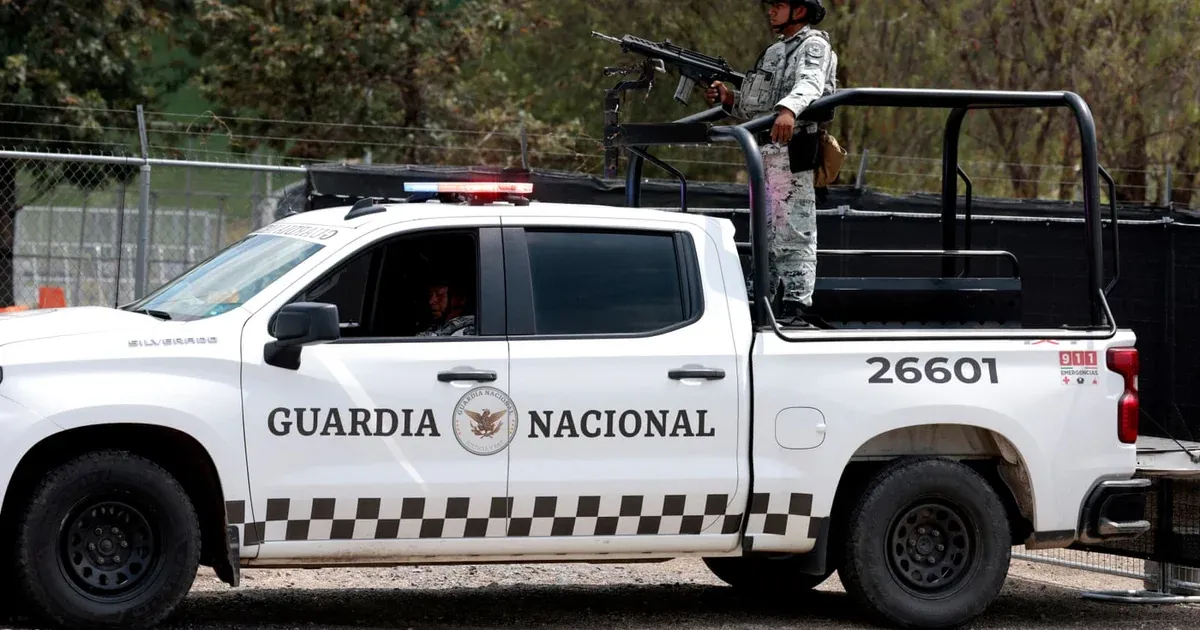
Guadalajara is preparing for World Cup crowds while officials try to protect the tournament from cartel pressure in Jalisco. The city has deep football history, strong tourism appeal and a security problem that cannot be treated as background noise. The 2026 tournament opened in Mexico City, but Guadalajara's test is different because it combines match-day celebration with the influence of organized crime. On June 9, 2026, the opening day put that contrast into sharper focus.
The risk is not that fans will avoid the city altogether. The risk is that a flood of visitors, sponsors, transport demand and hospitality money creates fresh opportunities for extortion, fraud and intimidation. Security officials have to protect the party without making the city feel like a checkpoint.
Guadalajara has hosted major football before, but the current cartel environment gives this World Cup a different kind of pressure. The question is whether local, state and federal authorities can keep attention on the matches instead of the threat landscape around them.
Football Memory Draws the Crowds
Guadalajara's appeal is real. The city was part of the football imagination long before the current tournament, with memories tied to earlier World Cups and the generations of fans who saw international stars pass through Mexico. That history gives the host city a public identity that organizers want to highlight.
Mexican journalist Leon Krauze has described the city as a place where football history and public excitement remain closely linked. That sense of identity matters because fans are not arriving only for a match; they are arriving in a city that sees itself as part of the sport's global story.
The historic frame can help the city. It gives officials and residents a reason to protect the event, and it raises expectations that Guadalajara can deliver something more memorable than a security operation.
Cartel Pressure Targets Revenue
Major events create money in concentrated places. Hotels, restaurants, taxis, informal vendors, construction firms, security contractors and hospitality zones all see demand rise at the same time. That kind of revenue can attract criminal groups that already understand local commerce.
Extortion is the most direct concern. Businesses that benefit from World Cup traffic may be pressured for payments, while transport and supply routes can become targets for control. Smaller criminal factions may also try to exploit tourists through scams, theft or counterfeit services.
Jalisco security is therefore an economic issue as well as a policing issue. If businesses feel unprotected, the tournament's local benefit can be reduced by fear and hidden costs.
Security Must Stay Visible but Controlled
A heavy security presence can reassure some visitors and unsettle others. Airports, stadium corridors, fan zones and sponsor areas need protection, but the city also has to preserve a festive atmosphere for supporters who came to enjoy football.
That balance is difficult because over-policing can damage the visitor experience, while under-policing can expose organizers to avoidable risk. Officials must also coordinate with FIFA, sponsors and foreign governments watching the safety of their citizens.
Drone surveillance, command centers and specialized anti-extortion units may help, but technology cannot replace trust between local businesses and security officials. People have to believe that reporting threats will not create more danger.
Cartel Pressure Tests State Capacity
The tournament is a test of Mexican state capacity in a place where criminal groups have long challenged public authority. A quiet month would not erase the cartel problem, but it would show that officials can protect a global event under pressure.
Failure would carry a broader cost. Tourism, sponsorship confidence and future event planning could all be affected if Guadalajara becomes associated with insecurity rather than football.
The best outcome is ordinary movement: fans arriving safely, businesses operating without coercion, teams moving on schedule and matches ending with the story still on the pitch. That is why this host city matters beyond the scoreboard.