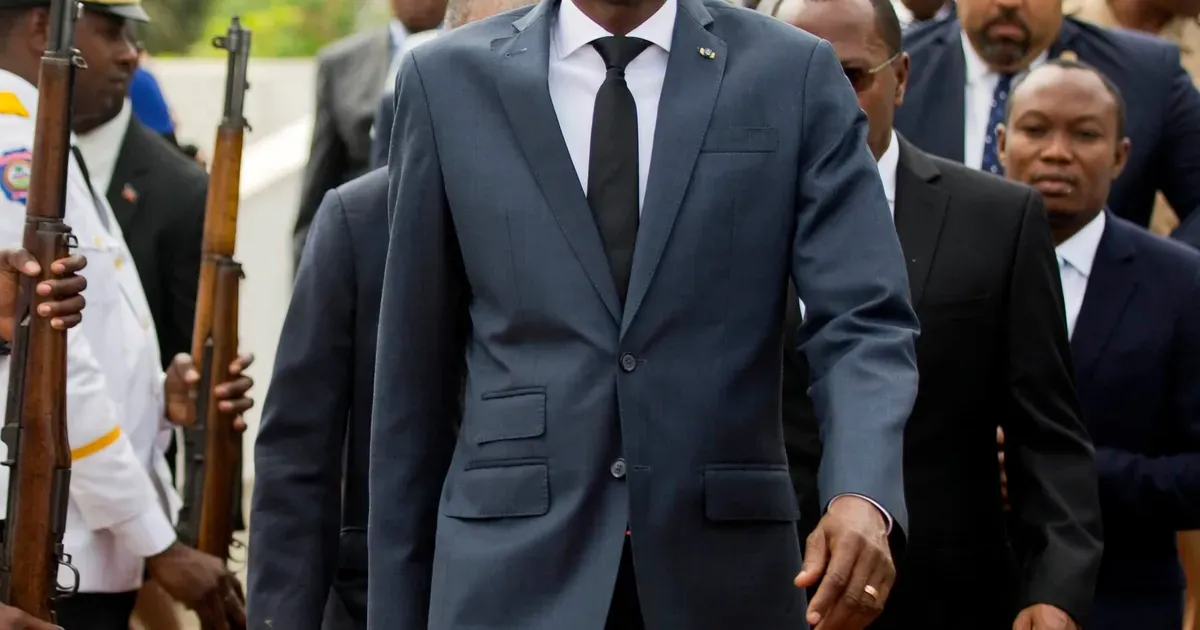
The Miami federal trial over the killing of Haiti president Jovenel Moise is about more than who pulled a trigger. It is about the networks that allegedly treated a sovereign country as a project to be captured. By March 10, 2026, the Jovenel Moise killing trial had reopened questions about money, security contractors and political ambition operating across borders.
Why Miami Matters
The case sits in Miami because parts of the alleged planning, financing and recruitment trail reached South Florida. That geography matters. Haiti political crises have often been shaped by decisions made outside Haiti, in boardrooms, exile circles and security firms far from Port-au-Prince. A courtroom can establish criminal responsibility, but it can also reveal how casually private actors imagined they could intervene in another country's future.
A Trial Cannot Fix a State
Haiti security networks remain a central concern because the assassination did not happen in a vacuum. Weak institutions, armed groups, foreign influence and elite rivalries created conditions in which a plot could become plausible. Even a clean conviction would not rebuild police capacity, political legitimacy or public trust. The trial also matters because Haiti's crisis has never been only domestic. Money, weapons, political promises and private security schemes have crossed borders for years, often with little scrutiny until violence forces a court record into public view. A verdict may punish individuals, but the more uncomfortable question is who made the plot seem possible. If financiers and intermediaries avoid serious examination, the courtroom will deliver punishment without dismantling the habits that made the assassination thinkable.
The Miami setting also puts US institutions under indirect scrutiny. If alleged planning, financing or recruitment moved through American territory, the trial can show where warning signs were missed and where private actors used cross-border networks with too little resistance. That does not make the United States responsible for Haiti's collapse, but it does make indifference harder to defend.
Haiti's political vacuum gives the case a grim urgency. Armed groups, weak courts and contested authority have made ordinary accountability almost impossible inside the country. A federal courtroom can establish facts with more structure, yet it cannot replace Haitian sovereignty or rebuild the institutions that failed before and after the killing.
Families of victims and Haitian citizens will be watching for more than convictions. They will want to know whether the evidence identifies sponsors, intermediaries and protectors, not only the people accused of carrying out the final act. A narrow verdict may satisfy the statute while still leaving the larger machinery intact.
Witness testimony and financial records will be crucial because assassination cases often rely on networks rather than a single clean order. The prosecution has to show how alleged intent, money and logistics connected. If it can do that, the trial may produce a record Haiti itself has struggled to assemble under far worse security conditions.
The case may also influence how private security work tied to fragile states is monitored. Contractors, brokers and political fixers often operate in spaces where ambition moves faster than accountability. A detailed trial record can make that gray zone harder to ignore the next time a crisis creates opportunity for outsiders.
The Wider Accountability Test
The severe conclusion is that justice must reach beyond the men in the dock if the full system enabled the killing. Prosecutors can prove a case, but policymakers also need to confront the permissive environment around private security, exile politics and foreign meddling. Haiti deserves more than a verdict that lets everyone else move on. The trial should expose the architecture of impunity, not just punish its final operators.