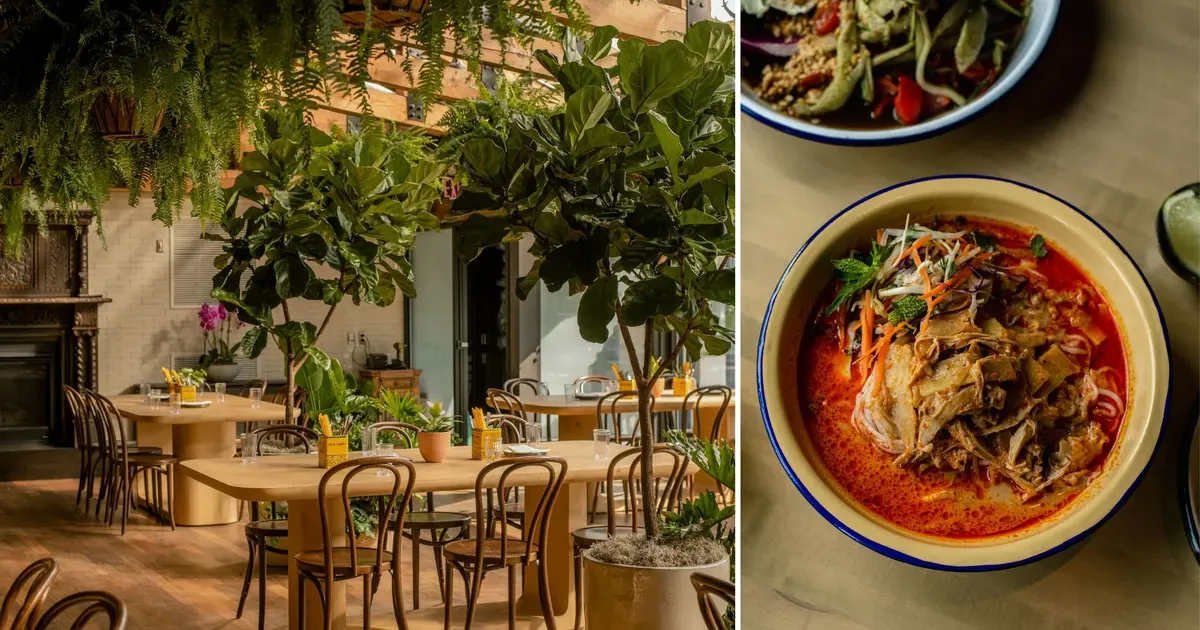
Minneapolis restaurants have become one of the clearest tests of whether the city's ICE shock is actually over. A dining room can look normal before a neighborhood has recovered. A busy Friday night can hide a weak weekday lunch, missing workers, nervous customers and owners still carrying debt from weeks of collapsed traffic.
The damage was concentrated in places where restaurants are more than lifestyle businesses. Lake Street and other immigrant-owned corridors hold markets, bakeries, taquerias, cafes, salons, remittance services and family-run stores that function as daily infrastructure. When immigration enforcement activity surged, that infrastructure was hit directly.
Lake Street Put A Number On Fear
Local reports and business groups described severe revenue losses across immigrant-owned corridors. The Lake Street Council estimated tens of millions of dollars in lost revenue during the hardest stretch, while individual businesses reported sales falling by half, more, or almost completely. Some restaurants reduced hours. Others closed temporarily. Many owners described a customer base that was not just spending less, but staying away out of fear.
The distinction matters. A normal slowdown can be addressed with promotions, menu changes or delivery pushes. A fear-driven slowdown is different. If customers worry about being stopped, questioned or caught near conflict, a restaurant cannot fix that with a cheaper lunch special.
Restaurants Feel Civic Stress First
Restaurants are early-warning systems for city life. They depend on routine: the same workers arriving, the same customers returning, the same vendors delivering, the same families deciding that it is safe to eat out. When any part of that routine breaks, the financial damage appears quickly.
Payroll does not pause because a corridor is tense. Rent still comes due. Ingredients still spoil. Hourly workers lose shifts. Suppliers ask for payment. A two-week collapse in foot traffic can create months of pressure for a small operator that was already working on thin margins.
Immigrant Businesses Carry More Than Sales
The recovery cannot be measured only by receipts. Immigrant-owned restaurants often provide informal job networks, translation help, community information and a familiar public space for people who may not trust official systems. When those businesses close early or operate half-empty, the neighborhood loses more than food options.
Lake Street's condition has broader meaning. If customers return only to a few high-profile restaurants while smaller family businesses remain weak, the city has not recovered evenly. The corridor can look open and still be fragile.
Support Has To Become Ordinary Spending
Community dine-ins, local campaigns and public calls to support affected businesses matter. They help break the sense that a corridor is unsafe or abandoned. They also give owners morale at a moment when exhaustion can be as dangerous as the immediate revenue loss.
But symbolic support has limits. A restaurant does not survive on one solidarity weekend. It survives on Tuesday lunches, school-night takeout, catering orders, steady market trips and workers who believe it is safe enough to show up. The goal is not a photo of recovery. It is restored habit.
Minneapolis and St. Paul still have one of the country's most distinctive regional food cultures, shaped by Indigenous food work, Hmong, Somali, Mexican, Lao, East African, Scandinavian and Midwestern traditions. New openings and national attention show that the Twin Cities food scene still has energy.
The strength should not blur the unevenness. A nationally praised restaurant can be full while a nearby family-run storefront is still down sharply because its customers are afraid, its workers are stretched or its owners used up cash reserves during the crackdown. Food culture can be a strength and still fail to protect the smallest operators without targeted help.
Recovery Is A Trust Test
Emergency grants, relief loans, rent flexibility, business-association work, safety coordination and visible city support all matter because they buy time. They cannot manufacture demand on their own, but they can keep a restaurant alive long enough for customers to return. In a corridor built on routine, time is not abstract. It is survival.
Minneapolis cannot declare victory because some tables are full again. The real test is whether immigrant-owned corridors can recover after the cameras leave and after customers stop thinking of a meal as an act of solidarity. If Lake Street and similar districts regain ordinary foot traffic, the city gets back more than sales. It gets back trust, routine and the public life that makes a neighborhood feel alive.