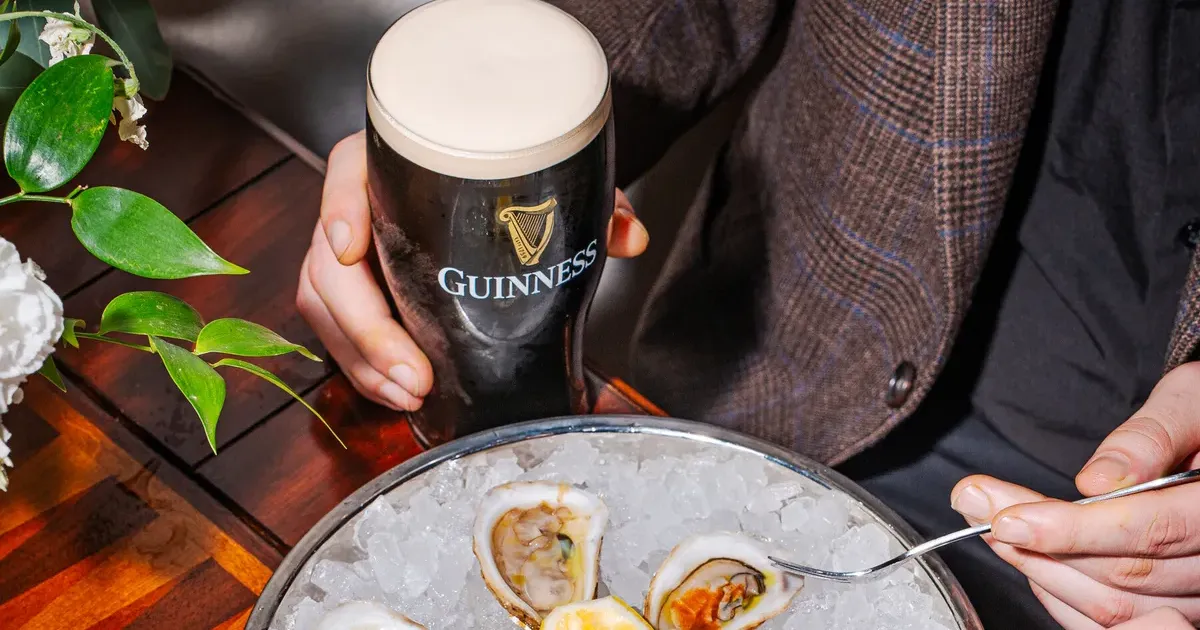
A New Generation of Public Houses
Dublin natives walking through Manhattan in early 2026 might feel a sudden, disorienting sense of home. New York City is currently experiencing a profound resurgence in Irish bar culture, a movement local critics are calling a pubaissance. Three specific venues designed for the 21st-century reveler have opened just in time for St. Patrick’s Day, moving the needle away from the cluttered, shamrock-heavy aesthetics of the past toward something more refined. These establishments prioritize historical accuracy, high-end cocktail programs, and meticulous beer service over the kitsch that dominated the late 20th century. Designers are stripping back layers of cheap plywood to reveal original brickwork, installing custom-built snugs, and focusing on the genuine warmth of the traditional public house.
Modernity has finally caught up with the pint.
Success in Manhattan fueled a curiosity that now spans the entire continent. National rankings show that America takes its Irish connections seriously, with premier pubs operating in all 50 states. Every region boasts a flagship location where the atmosphere rivals anything found on Baggot Street. While Bloomberg suggests that rising commercial rents might stifle independent bars, Reuters’ sources claim that the specific appeal of the Irish pub, its role as a community anchor, makes it more resilient than the average hipster dive. Patrons are increasingly seeking out these spaces because they offer a sense of permanence in a digital world. The focus has moved from being a mere drinking den to becoming a sophisticated gathering place for every generation.
Investors recognize that the traditional pub model offers a unique return on investment. Unlike trendy wine bars or sterile hotel lounges, an Irish pub generates loyalty through a specific brand of hospitality known as the craic. Professional bartenders now train for months to master the four-minute pour of a nitrogenated stout. Quality control has become a point of pride. A poorly poured pint is viewed as a minor scandal in the modern pubaissance. This evolution reflects a broader American desire for craftsmanship and storytelling in their hospitality experiences.
Mapping the Continental Resurgence
State-by-state data confirms that the best Irish pubs are no longer confined to the historical enclaves of Boston or Chicago. High-quality establishments are thriving in unexpected locations like Boise, Idaho, and Birmingham, Alabama. These venues often act as cultural bridges, blending local ingredients with imported Irish traditions. A pub in Vermont might serve an Irish stew made with local grass-fed beef, while a bar in California pairs its whiskey selection with Pacific seafood. Critics point out that this localized approach prevents the concept from feeling like a franchise or a theme park attraction. Authenticity drives the business model forward.
Authenticity remains the only currency that matters in this economy.
Younger demographics are particularly drawn to the lack of pretense found in these new-wave pubs. While many modern bars rely on loud music and aggressive lighting, the Irish pubaissance leans into conversational volume and comfortable seating. It is rejection of the high-friction nightlife common in the early 2020s. People want to look their companions in the eye and talk without shouting. Designers are responding by creating multiple zones within a single bar, from quiet corners for reading to lively communal tables for watching sports. Such versatility ensures that the pub remains relevant from midday lunch until last call.
Technological integration also plays a role in this survival. Smart cellar systems now monitor temperature and gas pressure in real-time to ensure every keg remains at its peak. Despite these modern upgrades, the hardware remains hidden. Customers see only the polished brass taps and the dark mahogany bars. Architects emphasize that the goal is to use modern tools to achieve an ancient result: a perfect environment for human connection. This blend of old-world charm and hidden precision defines the current era of American pub culture.
The Economics of Authenticity
Real estate developers have started treating Irish pubs as essential anchor tenants for new mixed-use buildings. A well-run pub provides a steady stream of foot traffic that other retail categories struggle to match. Because these bars offer food, drink, and a community atmosphere, they remain busy during hours when other businesses are empty. Financial analysts note that the longevity of an Irish pub far exceeds that of the average nightclub. A successful pub can last for decades, becoming a landmark in its neighborhood. Parents bring their adult children to the same bars they frequented, creating a multi-generational customer base that is rare in the volatile hospitality industry.
Cultural historians link this resurgence to a broader search for identity among the Irish diaspora. Millions of Americans claim Irish heritage, and the pub is tangible connection to that history. However, the new wave of pubs avoids the caricatures of the past. You will find no green beer or plastic leprechauns in these high-end NYC establishments. Instead, you find authentic Irish art, literature, and music. Collectors are scouring the Irish countryside for genuine artifacts to ship across the Atlantic, ensuring that the walls tell a real story. This respect for the source material is what separates the current pubaissance from previous iterations.
Sustainability has also entered the conversation. New pubs are increasingly focusing on reducing waste and sourcing products from ethical Irish producers. Small-batch distilleries and craft breweries in Ireland are finding a massive market in the US through these partnerships. The supply chain has become more direct, allowing for a fresher product and a better story for the consumer. When a bartender can tell you the name of the farm where the barley was grown, the value of the drink increases. Every element of the experience is curated to feel intentional and meaningful.
Urban planners see the pub as a key component of the 15-minute city. In neighborhoods where people live, work, and play in close proximity, the pub serves as the primary social valve. It is where news is shared, deals are made, and friendships are forged. The current boom suggests that Americans are not just looking for a drink; they are looking for a home away from home. As long as that need exists, the Irish pub will continue to evolve and thrive on American soil.
The Elite Tribune Perspective
Anyone who thinks a pub is just a place to buy a beer has never understood the mechanics of social glue. We are currently watching the death of the sterile, minimalist bar, and the Irish pub is the one holding the shovel. The resurgence is a calculated rebellion against the loneliness of the digital age. For years, American nightlife was obsessed with exclusivity, velvet ropes, and bottle service. That model is failing because it offers nothing but a hollow ego stroke. The new Irish pubaissance succeeds because it offers the opposite: radical inclusion and genuine comfort. We should stop pretending that these bars are merely nostalgic throwbacks. They are sophisticated commercial machines that exploit our desperate need for physical community. If a developer can sell you a sense of belonging for the price of a twenty-dollar cocktail and a perfectly poured Guinness, they have won the capitalist game. The genius of the Irish pub is its ability to mask its profit motives behind a veneer of ancient hospitality. It is the most effective social engineering tool in the beverage industry, and frankly, it is exactly what our fragmented cities need right now. Celebrate the pubaissance, but do not mistake the warm wood for anything other than a very clever business plan.