Spring Seasonality Redefines Sunday Traditions
Morning light filters through restaurant windows in London and New York as culinary teams prepare for the most demanding service of the spring season. Easter brunch occupies a unique space in the hospitality industry, acting as a bridge between the heavy root vegetables of winter and the tender greens of the coming months. Chefs are increasingly abandoning the sugar-heavy pancakes of the past for more complex, savory constructions that highlight seasonal transitions. Data from retail food distributors suggests a significant uptick in demand for high-protein, umami-focused ingredients like smoked salmon and aged gruyère during the mid-March window. This emphasis on savory profiles reflects a broader shift in how affluent diners approach the first major holiday of the year.
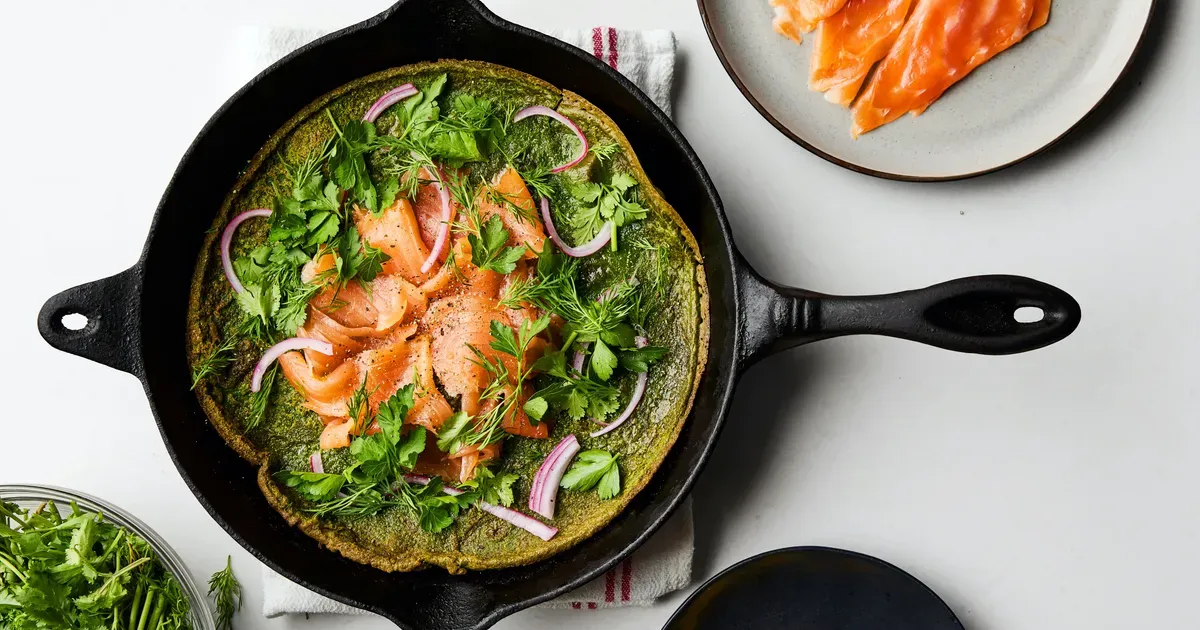
Standardized menus are giving way to eclectic collections of shared plates. Leading culinary publications including Bon Appétit have identified a clear movement toward versatile egg dishes that serve as a canvas for garden herbs. One standout technique involves the Dutch baby, a puffed pancake that usually leans sweet but now finds new life with savory additions. By incorporating fresh dill, chives, and generous helpings of smoked salmon, cooks create a center-piece that balances the lightness of spring with the richness required for a celebratory meal. The visual appeal of such dishes drives their popularity, yet the technical skill required to maintain the loft of the batter remains a challenge for the home cook.
Rhubarb appears earlier on menus this year, signaling a departure from traditional berry toppings.
Sweetness now comes from controlled, tart sources rather than refined sugars. Rhubarb ricotta toast has emerged as a favorite among brunch enthusiasts who seek a balance of textures. Thick slices of sourdough provide a sturdy base for whipped cheese, while the stalks of poached rhubarb offer a bright acidity that cuts through the fat. Recent market fluctuations in dairy pricing have made ricotta a more premium option for high-end brunch spots, yet it remains a staple for its ability to carry both salty and sweet notes. Cooks often finish these toasts with honey or a pinch of sea salt, bridging the gap between breakfast and lunch with deliberate precision.
Large-format bakes continue to dominate the planning stages for family gatherings. The ham-and-cheese croissant bake is strategic evolution of the classic casserole. Using buttery pastries instead of bread cubes increases the decadence of the dish, creating a honeycomb texture that absorbs savory custard. Quality ham remains the anchor of the Easter table, but modern iterations use smaller, more artisanal cuts rather than the massive, honey-glazed varieties of previous decades. Salt levels are carefully monitored to ensure the dish remains elegant. Culinary experts suggest that the key to a successful croissant bake lies in the rest time, allowing the liquid to fully penetrate the pastry before it hits the oven.
Protein takes center stage in every successful spring feast.
Asparagus and peas are no longer mere side dishes. They have become primary components of the main course, often folded into frittatas or layered into puff pastry tarts. The brief window for peak asparagus quality forces chefs to innovate rapidly. High-heat roasting brings out the natural sugars in these greens, providing a charred contrast to the soft textures of eggs and cream. Some kitchens are experimenting with pea shoots and microgreens to add a structural height to their plates, moving away from the flat presentations of the 1990s. This culinary tension between traditional comfort and modern aesthetics defines the 2026 Easter season.
Economics play a silent but powerful role in recipe selection for this holiday. Egg prices have stabilized compared to the volatility of 2024, yet the cost of premium fats and imported cheeses continues to rise. This financial reality has pushed many households toward bread-heavy dishes that use eggs as a binder rather than the primary ingredient. Strata and savory bread puddings allow for the utilization of leftover ingredients while maintaining a sense of luxury. Home cooks are becoming more adept at using techniques like cold-fermentation for their doughs, adding a depth of flavor that offsets simpler fillings. The shift toward these labor-intensive but cost-effective preparations suggests a maturing of the home-cooking audience.
Beverage pairings are also seeing a transformation. While the mimosa remains a cultural icon, many hosts are opting for herbaceous cocktails or dry sparkling wines that complement the savory nature of the new brunch canon. Infusions featuring cucumber, basil, and peppercorns mirror the garden-focused ingredients on the plate. Non-alcoholic options have expanded beyond simple fruit juices to include sophisticated botanical waters and fermented teas. These choices reflect a desire for a meal that feels refreshing rather than heavy, allowing guests to remain active throughout the Sunday celebrations.
Success in the kitchen during this period depends on timing and preparation. Most of the 29 trending recipes for the season advocate for overnight soaking or advanced assembly. That move toward pre-emptive cooking reduces the stress of the holiday morning, turning the host back into a participant. The specific preparation style is particularly evident in the rise of the overnight French toast and the slow-roasted lamb shoulder, both of which allow the oven to do the heavy lifting while the family gathers. As the industry looks toward the rest of 2026, the lessons learned during this Easter service will likely dictate the brunch trends for the coming summer.
The Elite Tribune Perspective
Why do we continue to pretend that brunch is a relaxed affair when it has become the most calculated meal in the modern social calendar? The transition from heavy winter staples to the performative freshness of spring is less about seasonal availability and more about the relentless pursuit of an aspirational lifestyle. We have traded the genuine warmth of a family breakfast for the clinical perfection of a herby Dutch baby that must be photographed before it is consumed. The industry fuels this by repackaging basic casseroles as artisanal bakes, inflating the price of stale croissants and surplus ham under the guise of festive innovation. While the recipes themselves offer a technical evolution in the kitchen, the culture surrounding them feels increasingly hollow. We should stop prioritizing the acidity of poached rhubarb over the simple joy of an uninterrupted meal. True luxury in 2026 is not found in the complexity of a ricotta toast, but in the rare ability to ignore the aesthetic demands of the table. If we must celebrate the return of the sun, let us do so with less concern for the loft of our pancakes and more for the sincerity of our company.