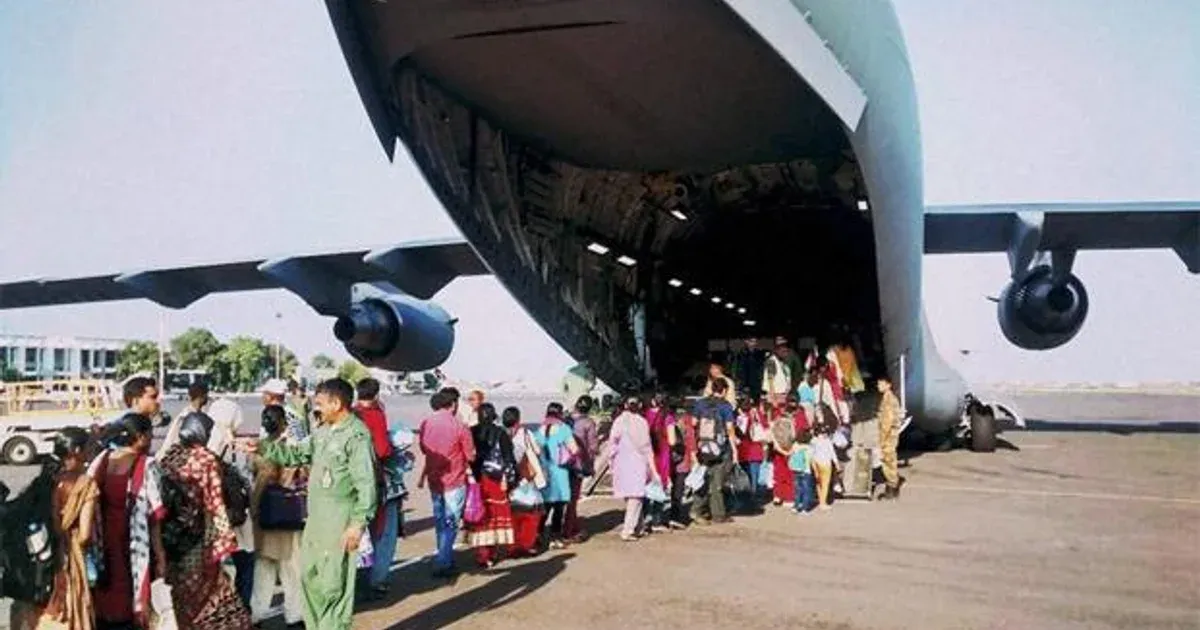
Modi’s rescue promise for Indians in the Gulf has become a major test of evacuation capacity, diaspora politics and wartime diplomacy.
New Delhi Prepares Evacuation Options
The promise marked a shift in India's diplomacy as regional violence threatened millions of expatriates. Prime Minister Narendra Modi addressed the nation from New Delhi, vowing that no Indian citizen would be left behind in the escalating conflict. The evacuation promise hardened on March 11, 2026, after a drone strike near Dubai put Indian workers directly in the risk zone. Tension gripped the region after two drones crashed near Dubai International Airport. One Indian national sustained injuries during the strike, an event that forced the prime minister's hand.
He declared that the government would not desert its people during trouble. DW News reports that the drone incident near the Dubai transport hub caused immediate panic. Shrapnel from the explosion injured an Indian worker, highlighting the vulnerability of the eight million Indians living in the Gulf. This decision to prioritize evacuations comes as the US-Israel war with Iran spreads beyond its original borders. NDTV reported that the Prime Minister emphasized a policy of total commitment to the diaspora.
Air India and the Indian Air Force remain on high alert. Logistics for such a massive undertaking remain daunting. The Gulf region serves as the economic backbone for millions of families in Kerala, Punjab, and Uttar Pradesh. If the conflict closes major air corridors, New Delhi must rely on a sea-bridge through the Arabian Sea. Indian Navy vessels already patrol the waters near the Strait of Hormuz to ensure safe passage for commercial vessels.
Military planners are currently mapping out temporary transit camps in Oman and Kuwait. Remittances from the Middle East exceed 100 billion dollars annually for the Indian economy. A sudden mass exodus would cripple the domestic financial sector and spark an unemployment crisis in southern states. Crude oil prices climbed 15 percent yesterday, adding further pressure on the Prime Minister to secure both people and resources. Economic analysts at Bloomberg suggest that a prolonged war could shave two points off India's GDP growth.
Yet the human cost outweighs the fiscal data for the current administration.
Gulf Workers Become the Human Risk
Families in rural India are flooding government helplines with pleas for information. Many workers in the construction sectors of Qatar and Saudi Arabia find themselves unable to afford return tickets as commercial flight prices triple. The External Affairs Ministry has set up 24-hour control rooms in Riyadh, Abu Dhabi, and Doha. Every mission is instructed to provide emergency travel documents to those who lost their passports in the chaos. India has a history of successful large-scale extractions.
The 1990 airlift from Kuwait remains a record-breaking feat of civilian aviation. More recently, Operation Ganga in Ukraine and similar efforts in Sudan proved that the government can mobilize resources quickly. This humanitarian legacy is now facing its greatest challenge yet. The sheer scale of the population in the line of fire exceeds any previous crisis. New Delhi maintains a delicate balance between its strategic partnership with Israel and its energy ties with Iran.
This logistical nightmare is further complicated by the US military presence in the region. While Washington coordinates with Jerusalem, India must ensure its rescue flights are not mistaken for combat sorties. Diplomatic channels with Tehran remain open to guarantee the safety of the Indian labor force. Security experts in London note that the Dubai strike signifies a widening of the target list. If civilian infrastructure in the UAE becomes a regular target, the exodus will become unavoidable.
Shipping lanes are already becoming hazardous. Insurance premiums for tankers and transport ships have reached levels not seen since the 1980s Tanker War. The Prime Minister has staked his reputation on the safety of the diaspora. India's response will likely determine the stability of the subcontinent for the next decade.
India Walks a Diplomatic Tightrope
Global stability rests on the shoulders of nations that can protect their labor exports, but India's current predicament reveals the rot in that foundation. New Delhi has spent decades encouraging millions of its citizens to build the skyscrapers and infrastructure of the Gulf, treating them as a reliable source of foreign exchange while ignoring the precariousness of their security. Such a crisis is not just a logistical hurdle. It is a reckoning for a nation that exports its poverty in exchange for remittances. Prime Minister Modi's promise that no one will be left behind is a noble sentiment, yet it masks the terrifying reality that India is entirely at the mercy of foreign belligerents.
If Iran or Israel chooses to escalate further, no number of Air India Dreamliners can save eight million people from the crossfire. The government's historical pride in its airlift capabilities has created a false sense of security. True sovereignty would mean creating an economy where citizens do not have to gamble their lives in war zones for a living wage. Until New Delhi addresses the domestic failures that drive this migration, it will remain a hostage to the volatility of the Middle East.