A New Chapter in Industrial Flavor Engineering
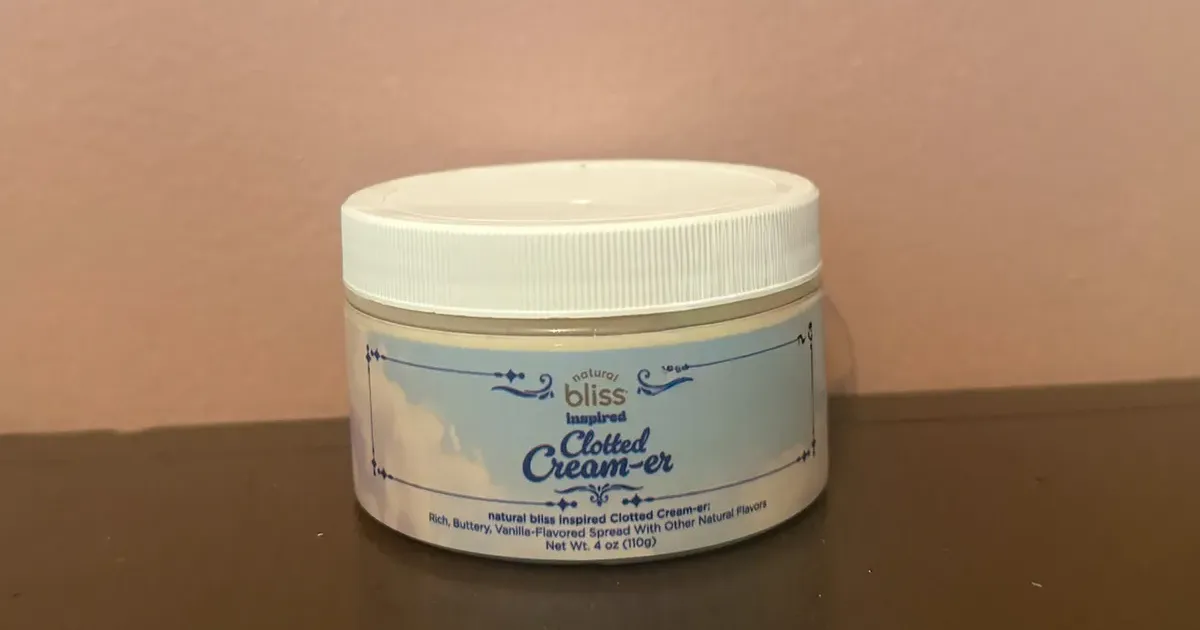
Nestlé’s Natural Bliss line has long dominated the middle-ground of the dairy aisle, offering consumers a bridge between heavily processed oils and pure heavy cream. March 2026 marks a significant departure from their standard vanilla and caramel rotations with the arrival of the limited-edition Clotted Cream-er. Poured into a morning mug, this liquid seeks to replicate the dense, velvety indulgence of a Devonshire tea service. Critics and flavor scientists alike are dissecting how a shelf-stable liquid can possibly imitate a product traditionally defined by its solid, crusty texture and 55% butterfat content.
Natural flavorings and real dairy form the backbone of this specific product, according to the ingredient list. Many enthusiasts of British culinary history recognize clotted cream as a protected delicacy, traditionally made by heating unpasteurized cow’s milk in shallow pans until clots of cream rise to the surface. Converting that heavy, spreadable fat into a pourable coffee companion requires a delicate balance of emulsifiers and milk solids. This sensory experience relies heavily on mouthfeel, a term food scientists use to describe the physical sensation of a liquid inside the mouth. Because real clotted cream is too thick to pour, Nestlé had to engineer a version that retains the buttery high notes without clogging the bottle spout.
British tradition rarely translates well into a plastic bottle.
Tasting Table researchers recently put the bottle to the test, noting that the liquid mimics the heavy, almost savory sweetness of a traditional scone topping. While a standard creamer relies on sugar to provide satisfaction, the Clotted Cream-er emphasizes the fatty, cooked-milk flavor profile. Such a profile is difficult to achieve in mass production. Most industrial dairy products lose their nuance during the ultra-pasteurization process, which often leaves a burnt or flat aftertaste. Yet, the 2026 formulation seems to have bypassed this hurdle by using a higher ratio of cream to skim milk, ensuring the liquid stays white and opaque even when diluted by dark roast coffee.
The Science of Mouthfeel and Consumer Cravings
Dairy consumption patterns in the United States have shifted toward luxury and nostalgia over the last decade. Consumers are increasingly willing to pay a premium for limited-run items that promise a specific cultural experience. Nestlé capitalized on this trend by branding the creamer as an afternoon tea experience, essentially rebranding the coffee break as a moment of high-society leisure. This specific formulation includes a hit of cane sugar and natural flavors that evoke the ‘crust’ of the cream, that golden top layer prized by Cornish farmers. Retailers report that the packaging design plays a role too, using muted tones and classic typography to distance the product from the neon-colored artificial creamers of the past.
One primary challenge for the development team was the lack of actual clotted cream in the recipe. True clotted cream cannot be easily liquefied without losing its structural integrity; instead, the scientists used a combination of heavy cream and buttermilk to approximate the tang and thickness. This chemical engineering ensures that the product remains stable in a refrigerator for weeks, whereas real clotted cream would spoil within days of opening. Some purists argue that the name is a misnomer, but the market response suggests that the average American shopper cares more about the evocative name than the technical definition. Morning routines are often dictated by speed, and the ability to add a splash of Devonshire-style luxury without a knife and a scone is proving to be a powerful selling point.
Authenticity often dies in the transition from farm to factory.
Global supply chains for dairy have faced volatility recently, making the release of a high-fat, limited-run product a risky move for a conglomerate. Rising costs of milk fat across the Midwest have forced many competitors to lean on vegetable oil bases. Natural Bliss, by sticking to a dairy-first approach, maintains a competitive edge among health-conscious buyers who avoid hydrogenated oils. The 2026 limited release also is data-gathering mission. If the Clotted Cream-er sells out, we may see a permanent expansion of regional heritage flavors like clotted cream, double cream, or even cultured butter-based additives.
Evaluating the Culinary Impact of Liquid Tea Culture
Pouring the creamer into an Americano results in a transformation that some testers described as transformative for the morning palate. The color shift is immediate, turning the coffee into a pale, silk-like tan that hints at the density of the fats involved. Because the product is quite sweet, it functions as both a lightener and a sweetener, potentially replacing the need for additional syrups. It works well with bold, acidic beans, where the high fat content can neutralize the sharp bite of a dark roast. During recent blind taste tests, several participants could not distinguish the creamer from a mixture of half-and-half and melted butter, suggesting the flavorists hit their target accurately.
That marketing play targets a demographic that values small, affordable luxuries in an era of high inflation. Spending five dollars on a bottle of creamer feels like a minor indulgence compared to the cost of a full tea service at a high-end hotel. Nestlé is not just selling milk; they are selling a fifteen-minute escape from the cubicle or the home office. As the 2026 spring season progresses, the scarcity of the product is expected to drive social media engagement, as users hunt for the bottles in local grocery stores. Whether the product remains a one-time curiosity or becomes a seasonal staple will depend on how many people are willing to trade their daily vanilla for a sip of the English countryside.
The Elite Tribune Perspective
Why do we settle for liquid approximations of ancient craft? Nestlé’s latest foray into ‘clotted’ coffee additives is a cynical, albeit brilliant, exercise in heritage-washing. By slapping the name of a labor-intensive, geographically protected English delicacy onto a mass-produced plastic bottle, the company effectively dilutes the very culture it claims to celebrate. We are being sold the ghost of a scone, a chemically stabilized memory of a Devon farm, delivered via an assembly line in the American Midwest. The flavor is admittedly pleasant, but that is beside the point. It product represents the final stage of culinary homogenization, where every unique regional texture must be flattened into a pourable liquid for the sake of convenience. If you want the experience of afternoon tea, buy a scone and hunt down a jar of the real stuff. Adding a splash of engineered butter-flavor to your burnt office coffee does not make you a connoisseur, it makes you a victim of a very clever marketing department. We should demand better than a world where our cultural experiences are reduced to 32-ounce bottles of flavored milk solids. True luxury requires the effort of the craft, not just the purchase of the brand.