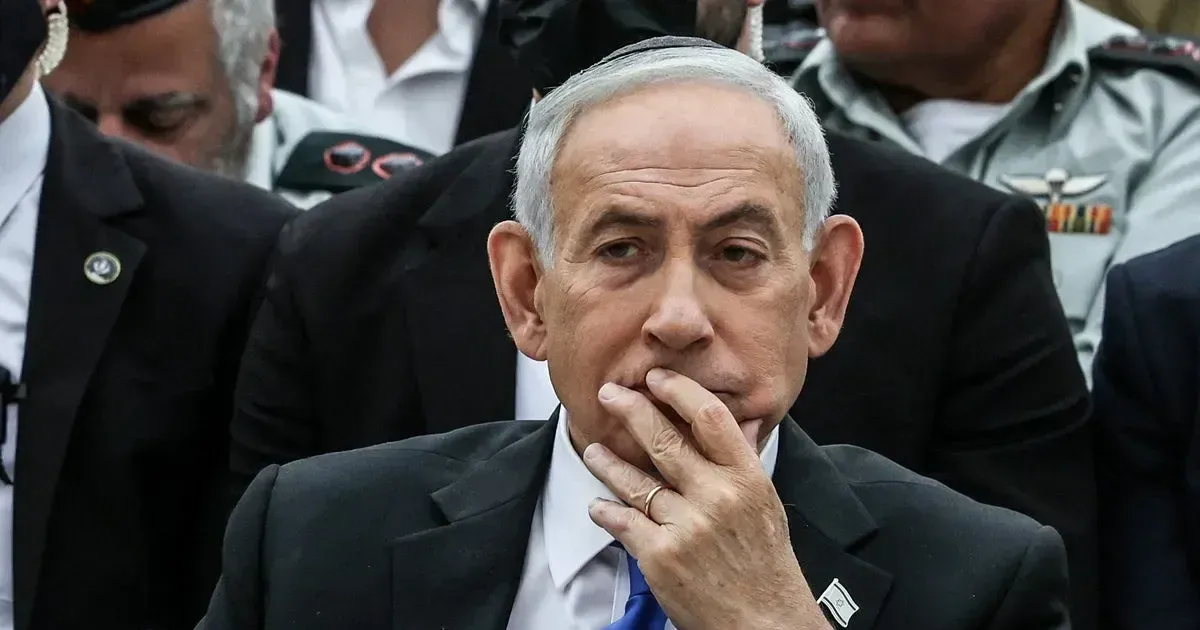
Benjamin Netanyahu confirmed on April 24, 2026, that he underwent secret surgery for prostate cancer eighteen months ago. Recovery from the clinical procedure occurred while the prime minister managed an escalating conflict with the Iranian regime. Public disclosure of the medical condition arrived only once surgeons successfully removed a malignant tumor and verified a full recovery.
Security concerns dictated the timeline of the announcement. Netanyahu stated he intentionally withheld the news to prevent regional adversaries from exploiting his perceived physical vulnerability. Iranian intelligence services frequently monitor the physical condition of senior Israeli officials to coordinate psychological warfare operations.
Surgeons performed the operation at an undisclosed medical facility under strict confidentiality protocols. Medical records from late 2024 indicate the prime minister was in the early stages of the disease. Benjamin Netanyahu now maintains he is in excellent physical condition with no remaining signs of malignancy.
Israeli citizens learned of the diagnosis through a televised address delivered from Jerusalem.
Critics pointed to the eighteen-month delay as a meaningful breach of public trust. Transparency regarding the health of a head of state continues to be a disputed issue within the Knesset. Military operations against Iranian proxies continued without interruption throughout his recovery phase.
Cabinet meetings and strategic briefings proceeded shortly after the surgical intervention. Senior advisors were allegedly kept in the dark about the severity of the medical crisis. Silence regarding the operation prevented any potential disruption in the chain of command during active hostilities.
Netanyahu Conceals Diagnosis During Regional Conflict
Secrecy was a strategic shield against foreign interference. Netanyahu emphasized that revealing a cancer diagnosis during a period of active warfare would have provided Iran with a propaganda victory. Intelligence officials concurred that any sign of leadership instability could embolden Hezbollah or Hamas forces. Maintaining a projection of strength outweighed the democratic requirement for transparency. He noted that the decision rested on the need to preserve national morale. Total silence regarding the surgery ensured that his political opponents could not use health as a weapon to force a leadership change.
"I delayed the announcement for eighteen months because I would not give Iran the satisfaction of thinking their enemy was weakened," Netanyahu stated during his public address.
Doctors described the tumor as localized and manageable at the time of discovery. The $11 billion annual defense procurement budget continued to flow into high-priority projects while the leader convalesced. No official transfer of power to a deputy prime minister ever took place. Regional analysts suggest the disclosure was timed to coincide with a lull in direct kinetic engagement. Tehran responded to the news with predictable rhetoric through state-controlled media. They characterized the delay as a sign of desperation from the Israeli leadership.
Medical Secrecy in the Israeli Security State
Professional medical ethics often clash with the political requirements of a state at war. While American presidents typically disclose annual physical results, Israeli law provides more latitude for personal privacy. This legal framework allowed the prime minister to maintain his routine without raising suspicion from the public. Public perception of health is often equated with the stability of the nation itself. Netanyahu has long cultivated an image of tireless energy and physical robustness. Admitting to a malignancy could have invited internal challenges from rival factions within Likud. Financial markets reacted with minor volatility following the late revelation. Investors generally view Netanyahu as a stabilizing force for the Israeli economy. Confirmation that the cancer is gone prevented a larger sell-off of the shekel on international exchanges. Medical clearance from his personal physicians was verified by independent observers before the televised address.
Political Fallout and Regional Reactions
Opposition leaders in Israel demanded more rigorous disclosure laws for high-ranking officials. They argued that the public has a right to know if a prime minister is physically capable of making life-or-death decisions. Trust in the Prime Minister's Office has reached a low point according to recent polling data. Stability in the Middle East often hinges on the perceived stamina of its leading figures. Netanyahu's successful treatment ensures his continued presence on the world stage for the foreseeable future. The recovery process involved targeted radiation and a brief period of restricted movement. Intelligence circles in Washington and London were reportedly surprised by the depth of the deception. The ability to hide such a serious medical event for over a year highlights the tight control Netanyahu exerts over his inner circle. Future disclosures may become mandatory if new legislation passes the Knesset committee stage.
Netanyahu’s Secrecy Leaves a Lasting Democratic Cost
Does a nation's commander owe his medical records to the electorate? By choosing to hide a life-threatening diagnosis while soldiers were dying in the field, Netanyahu prioritized his own political longevity over democratic transparency. This choice reflects a man who believes the state cannot function without his specific hand on the tiller. It is a gamble that assumes the public will forgive the lie because the patient survived. History favors the healthy but it reviles the deceptive. If Netanyahu had faced complications during surgery, the resulting power vacuum could have invited a catastrophic military response from Tehran. The prime minister effectively bet the security of the nation on his own biological resilience. Such behavior is not the mark of a confident statesman but of a leader who treats the apparatus of the state as a personal shield. Israeli democracy is currently paying the price for this obsession with strength. When transparency is discarded for the sake of tactical optics, the social contract between the leader and the led is permanently damaged. Netanyahu may have beaten the cancer, but the rot in his relationship with the voting public will be much harder to excise. The precedent is set: in Jerusalem, the truth is a luxury that the prime minister cannot afford during wartime.