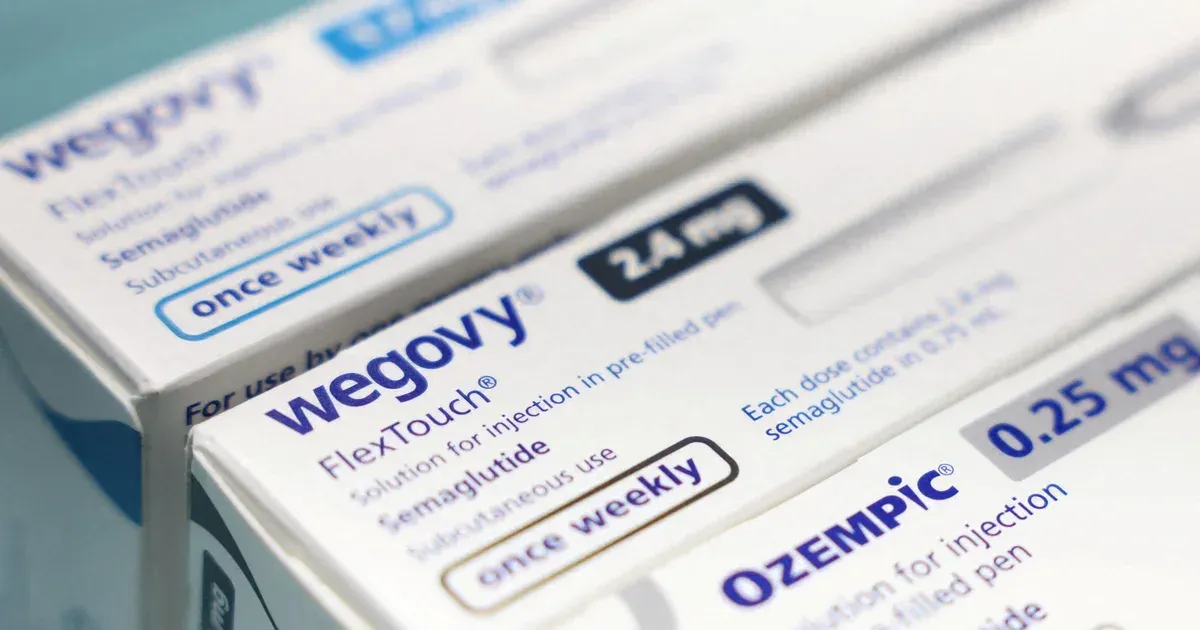
NHS England's Wegovy expansion changes the public meaning of semaglutide. The weekly injection is no longer only being discussed as a weight-loss drug for obesity services or a private-market symbol of slimming culture. Under the cardiovascular pathway backed by NICE, about 1.2 million people in England could become eligible because they are overweight and have already had serious cardiovascular disease.
The expanded pathway is a major shift. The relevant threshold is not simply the highest obesity category. NICE described eligibility around a BMI of 27 or above for people with a previous heart attack, stroke or severe peripheral arterial disease. The drug would be used on top of standard treatments such as statins, plus diet and physical activity. The policy is about reducing future heart attacks and strokes, not offering a cosmetic shortcut.
The Eligibility Change Is the Story
Wegovy was already available on the NHS in England for some people through specialist weight-management services, and semaglutide is also used as Ozempic for type 2 diabetes. The cardiovascular route is different because it treats excess weight as one part of a secondary-prevention problem. Patients who are not in the highest obesity bands may still qualify if their heart-risk history is severe enough.
The eligibility change will matter in clinics. A patient who has survived a heart attack and carries extra weight is not facing an abstract risk. They are living with the possibility of another event. Adding semaglutide to existing prevention tools gives doctors one more lever, but it also requires clear explanations about eligibility, expected benefit, side effects and the need to keep taking other heart medicines.
The Trial Evidence Changed the Argument
The SELECT evidence moved semaglutide beyond the old frame of appetite suppression alone. Clinical trial data showed a reduction of about 20% in major cardiovascular events among eligible patients with established cardiovascular disease who were overweight or obese and did not have diabetes. NICE and heart-health groups have pointed to benefits that appeared to go beyond the number on the scale.
The trial evidence does not make the treatment simple. GLP-1 drugs can cause gastrointestinal side effects, may not suit every patient and need follow-up. Weight regain after stopping treatment is also a practical concern. The right clinical message is balanced: semaglutide can reduce risk for selected patients, but it is not a replacement for blood-pressure control, cholesterol treatment, smoking cessation, rehabilitation or physical activity.
The NHS Capacity Question Is Serious
A 1.2 million-person eligibility pool is not the same as 1.2 million quick prescriptions. The NHS has to identify patients, confirm cardiovascular history, check BMI and contraindications, counsel patients, monitor response and manage supply. That is a workload question as much as a drug-cost question.
Equity is the harder test. If access depends on local capacity, digital confidence or the ability to chase appointments, the policy could widen gaps rather than narrow them. Cardiovascular disease already tracks deprivation, ethnicity, housing, work and primary-care access. A preventive drug rollout only deserves the public-health label if the highest-risk patients are not last in line.
The Wegovy Pill Is a Separate Confusion
July's private-market demand for oral Wegovy adds noise to the story. The tablet form has attracted attention because it is easier to take than an injection and is being sold privately through pharmacies, but NHS access for the pill is a separate appraisal issue. NICE cannot recommend the tablet for NHS use until the evidence process is complete.
The product distinction matters for patients. The cardiovascular expansion is about weekly semaglutide injections under a defined NHS pathway. The oral product may eventually change access and adherence, but it should not be folded into the same promise before regulators and NICE have finished their work. Confusing the two would create false expectations.
Prevention Still Needs More Than a Jab
The rollout may save lives, but it also exposes how much cardiovascular prevention is now being asked to repair downstream. Poor diet environments, sedentary work, unequal access to primary care, smoking, stress and deprivation all help produce the risk that medicine later tries to reduce. Wegovy can be a valuable tool without being a full answer.
The NHS is entering a new phase of chronic-disease prevention: expensive, effective medicines aimed at huge populations. The approach can be good medicine, but it demands discipline. If ministers treat semaglutide as a headline rather than a monitored clinical pathway, the system will buy hope faster than it builds prevention.